【医療監修】靴は足を傷つけるのか?― 裸足研究100年の科学が示す「従来の靴」の構造的問題 ―
はじめに|「靴は足を守るもの」という常識は、いつ生まれたのか
私たちは長いあいだ、
靴は足を守り、健康に保つもの
という前提を疑わずに生きてきました。
しかし実はこの前提は、
科学的に検証された結果として定着したものではありません。
むしろ、
「靴が足の形や機能を変えているのではないか」
という疑問は、
100年以上前から繰り返し提起されてきました。
その最初期の代表例が、
1905年に発表された
1905年|ホフマン博士が示した「裸足と靴の決定的差」
ホフマン博士は、
裸足で生活する人々
靴を履く人々
の足を比較し、
以下の事実を体系的に報告しました
(Hoffmann, 1905, Journal of Bone and Joint Surgery)。
裸足集団に共通して見られた特徴
- 前足部が広く、足趾が自然に開いている
- 母趾と第2趾の間に明確な間隔がある
- 足趾の屈曲・伸展可動域が大きい
- 足底皮膚が厚く、柔軟で、タコが少ない
- アーチ形状は多様で「正常は1種類ではない」
靴を履く集団にほぼ普遍的に見られた変化
- 前足部の狭小化
- 足趾、とくに母趾の内転(外反母趾)
- 足趾の運動制限
- 中足骨指節関節の過伸展
- 足の機能低下と痛みの増加
ホフマン博士は結論として、
次のように述べています。
靴は足を保護するどころか、
形態を変形させ、
関節運動を制限する
「添え木」として働いている。
この指摘は当時、
あまりに常識とかけ離れていたため、
長く医学の主流から無視されてきました。
その後の100年で、何が分かったのか
ホフマン博士の観察は、
その後の
・疫学研究
・バイオメカニクス研究
によって
繰り返し裏づけられています。
靴と足の変形の関係
- 靴を履く年数と外反母趾角には明確な相関がある
(Shine, 1965, BMJ)- 裸足集団では外反母趾・屈み指・前足部痛が著しく少ない
(Zipfel & Berger, 2007)- 子ども期に裸足で過ごす割合が高いほど、 アーチ形態と足趾配列は良好に保たれる
(Hollander et al., 2017, Scientific Reports)
足は「可塑性」をもつ構造体である
重要なのは、
足は非常に変形しやすい(可塑性が高い)構造である
という点です。
- 圧迫が続けば、形は変わる
- 動かさなければ、可動域は失われる
- 使われなければ、筋は働かなくなる
実際、
靴を履いてから6週間以内に前足部の狭小化が始まる
ことも報告されています(Hoffmann, 1905)。
これは「病気」ではなく、
環境への適応反応
です。
現代靴で起きている構造的問題
① トゥボックスによる前足部圧迫
- 足趾が横に広がれない
- 支持基底面が狭くなる
- 前足部の荷重分散が破綻する
② ヒール高とトゥスプリング
- 重心が前方へ移動
- 前足部への持続的圧負荷
- 中足骨指節関節の過伸展
③ 足底感覚の遮断
- 厚いソール・クッション
- 地面情報の入力低下
- 姿勢制御・バランス反応の遅延
これらはすべて、
足の機能を使わせない方向に働きます。
裸足・最小限の履物が示す身体的影響
近年の研究では、
裸足
最小限の履物
が以下と関連することが示されています。
- 足内在筋の筋量・筋力増加 (Ridge et al., 2019)
- バランス能力の向上 (Hollander et al., 2016)
- 中高年者の安定性改善 (Cudejko et al., 2020)
- 膝関節負荷の低下 (Shakoor & Block, 2006)
NICE(英国国立医療技術評価機構)も、
転倒予防の重要性
を国家レベルで警告しています
(NICE CG161)。
「靴が足を傷つける」という表現について
誤解のないように整理します。
靴そのものが悪いわけではありません。
問題なのは、
- 足の形に合わない
- 足指が動かない
- 感覚入力が遮断される
構造の靴を、
長期間使い続けること
です。
足は使われ方によって形を変えます。
つまり、
靴が足を傷つけるのではなく、
足を使えなくする環境が足を変えている
というのが、
現在の科学的な整理です。
まとめ|足の問題は「結果」であって「原因」ではない
外反母趾
内反小趾
屈み指
浮き指
寝指
これらはすべて、
足指が使われなくなった結果として固定化した状態
です。
足の構造は、
本来
とても強く
柔軟
適応力
があります。
その力を取り戻すために必要なのは、
特別な治療や矯正ではなく、
- 動かせること
- 働ける状態が保たれること
- 日常の中で使われ続けること
この3つの条件です。
参考文献
1)Whitman R. A study of the weak foot. Journal of bone and Joint Surgery. 1896
https://www.ncbi.nlm.nih.gov/pmc/articles/PMC2835577/
2)Hoffman P. Conclusions drawn from a comparative study of the feet of barefooted and shoe-wearing peoples. Journal of bone and Joint Surgery.October,1905.
https://journals.lww.com/jbjsjournal/Abstract/1905/03020/CONCLUSIONS_DRAWN_FROM_A_COMPARATIVE_STUDY_OF_THE.1.aspx
3)Shine IB. Incidence of Hallux Valgus in a partially shoe-wearing community. British Medical Journal. June 1965.
https://www.ncbi.nlm.nih.gov/pmc/articles/PMC2167058/pdf/brmedj02400-0040.pdf
4)New survey reveals majority of Americans suffer from foot pain.
https://www.prnewswire.com/news-releases/new-survey-reveals-majority-of-americans-suffer-from-foot-pain-259775741.html
5)Zipfel B, Berger LR. Shod versus unshod: the emergence of forefoot pathology in modern humans? The Foot. December 2007.
https://www.researchgate.net/publication/232251119_Shod_versus_unshod_The_emergence_of_forefoot_pathology_in_modern_humans
6)Hollander K, de Villiers JE, Sehner S, et al. Growing-up (habitually) barefoot influences the development of foot and arch morphology in children and adolescents. Sci Rep. 2017;7(1):8079.
https://www.nature.com/articles/s41598-017-07868-4#ref-CR4
7)Hollander K, van der Zwaard B, de Villiers JE, et al. The effects of growing up habitually barefoot on foot mechanics and motor performance in children and adolescents. Journal of Foot and Ankle Research.
https://www.ncbi.nlm.nih.gov/pmc/articles/PMC5010736/
8)Hollander K, van der Zwaard B, de Villiers JE, et al. The effects of growing up habitually barefoot on foot mechanics and motor performance in children and adolescents. Journal of Foot and Ankle Research.
https://www.ncbi.nlm.nih.gov/pmc/articles/PMC5010736/
9)Heppel S. Environment can impact performance in learning. May 2016.
https://www.bournemouth.ac.uk/news/2016-05-20/environment-can-impact-performance-learning
10)Lun V, Meeuwisse W et al. Relation between running injury and static lower limb alignment in recreational runners. Br J Sports Med. October 2004.
https://www.ncbi.nlm.nih.gov/pmc/articles/PMC1724945/
11)Hollander K, Riebe D, Campe S, Braumann KM, Zech A. Effects of footwear on treadmill running biomechanics in preadolescent children. Gait Posture. 2014;40(3):381-385.
https://europepmc.org/article/med/24890307
12)Hollander K, Argubi-Wollesen A, Reer R, Zech A. Comparison of minimalist footwear strategies for simulating barefoot running: a randomized crossover study. PLoS One. 2015;10(5):e0125880.
https://www.ncbi.nlm.nih.gov/pubmed/26011042
13)Daoud AI, Geissler GJ, Wang F, Saretsky J, Daoud YA, Lieberman DE. Foot strike and injury rates in endurance runners: a retrospective study. Med Sci Sports Exerc. 2012;44(7):1325-1334.
https://www.ncbi.nlm.nih.gov/pubmed/22217561
14)Pohl MB, Hamill J, Davis IS. Biomechanical and anatomic factors associated with a history of plantar fasciitis in female runners. Clin J Sport Med. 2009;19(5):372-376.
https://www.ncbi.nlm.nih.gov/pubmed/19741308
15)Ruder M, Jamison ST, Tenforde A, Mulloy F, Davis IS. Relationship of Foot Strike Pattern and Landing Impacts during a Marathon. Med Sci Sports Exerc. 2019;51(10):2073-2079.
https://www.ncbi.nlm.nih.gov/pubmed/31525171
16)Baltich J, Maurer C, Nigg BM (2015) Increased Vertical Impact Forces and Altered Running Mechanics with Softer Midsole Shoes. PLoS ONE 10(4): e0125196. doi:10.1371/journal. pone.0125196.
https://www.ncbi.nlm.nih.gov/pmc/articles/PMC4405580/pdf/pone.0125196.pdf
17)Davis IS, Rice HM, Wearing SC. Why forefoot striking in minimal shoes might positively change the course of running injuries. Journal of Sport and Health Science. June 2017.
|https://www.sciencedirect.com/science/article/pii/S2095254617300492
18)Ker RF, McNeil R, et al. The spring in the arch of the human foot. Nature: Vol 325 8, Jan 1987
https://www.ncbi.nlm.nih.gov/pubmed/3808070
19)Ridge ST, Olsen MT, Bruening DA, et al. Wakling in Minimalist Shoes Is Effective for Strenthening Foot Muscles. Med Sci Sports Exerc. January, 2019.
https://www.ncbi.nlm.nih.gov/pubmed/30113521
20)Latorre-Román PA, García-Pinillos F, Soto-Hermoso VM, Muñoz-Jiménez M. Effects of 12 weeks of barefoot running on foot strike patterns, inversión-eversion and foot rotation in long-distance runners. J Sport Health Sci. November 2019.
https://www.ncbi.nlm.nih.gov/pubmed/31720071
21)Cudejko T, Gardiner J, Akpan A, D´Août K. Minimal footwear improves stability and physical function in middle-aged and older people compared to conventional shoes. Clin. Biomech. Jan 2020.
https://pubmed.ncbi.nlm.nih.gov/31739197/
22)Falls in older people: assessing risk and prevention. June 2013.
https://www.nice.org.uk/guidance/CG161/chapter/introduction
誰でも今日からできるセルフケア
まずは、足指を「動かせる状態」に戻すこと。
ここはとても大切です。
やるのとやらないのとでは、
この先の身体の使い方に大きな差が出ます。
そのために、私が最初にお伝えしているのが
足の指を広げて伸ばす「ひろのば体操」です。
足指を広げて伸ばすことで、
本来の使い方を思い出してもらうための
とてもシンプルな体操です。
分かってるけど、続かない。
ひろのば体操は
- 痩せたい人
- 正座をしたい人
- 歩きやすくしたい人
- 姿勢を整えたい人
できれば多くの人に続けてほしい体操です。
でも実際には
「分かっているけど続かない」
という声も多く聞きます。
だからこそ、体操で行っている
「足指を広げて伸ばす環境」を
日常でもサポートできるように設計したのが
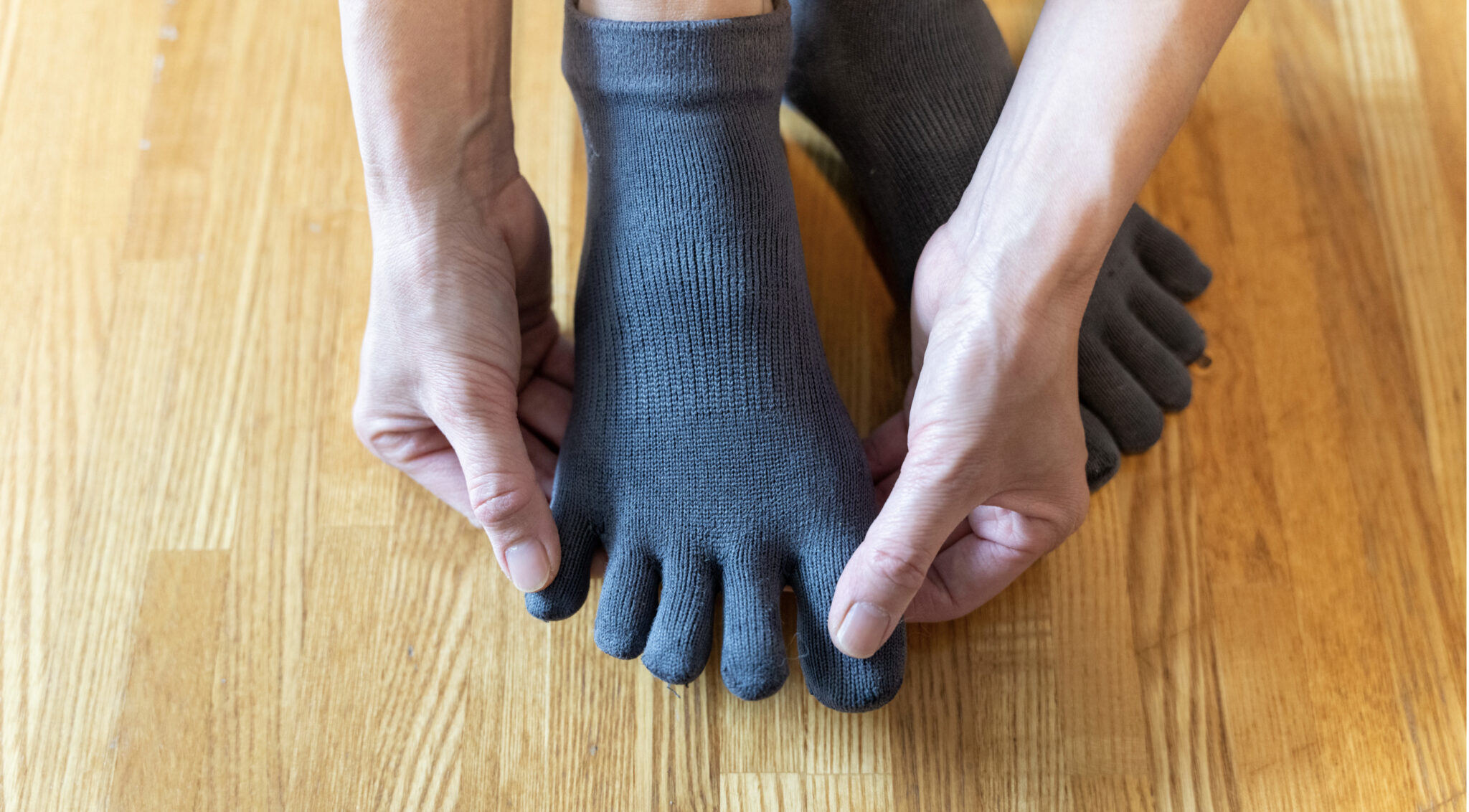
YOSHIRO SOCKSです。
正しい靴選び・履き方
ひろのば体操やYOSHIRO SOCKSで
足指が動きやすくなっても、
履く靴や履き方によっては
足指がまた使えなくなってしまいます。
そのため私は
- 靴の選び方
- 靴の履き方
もあわせてお伝えしています。
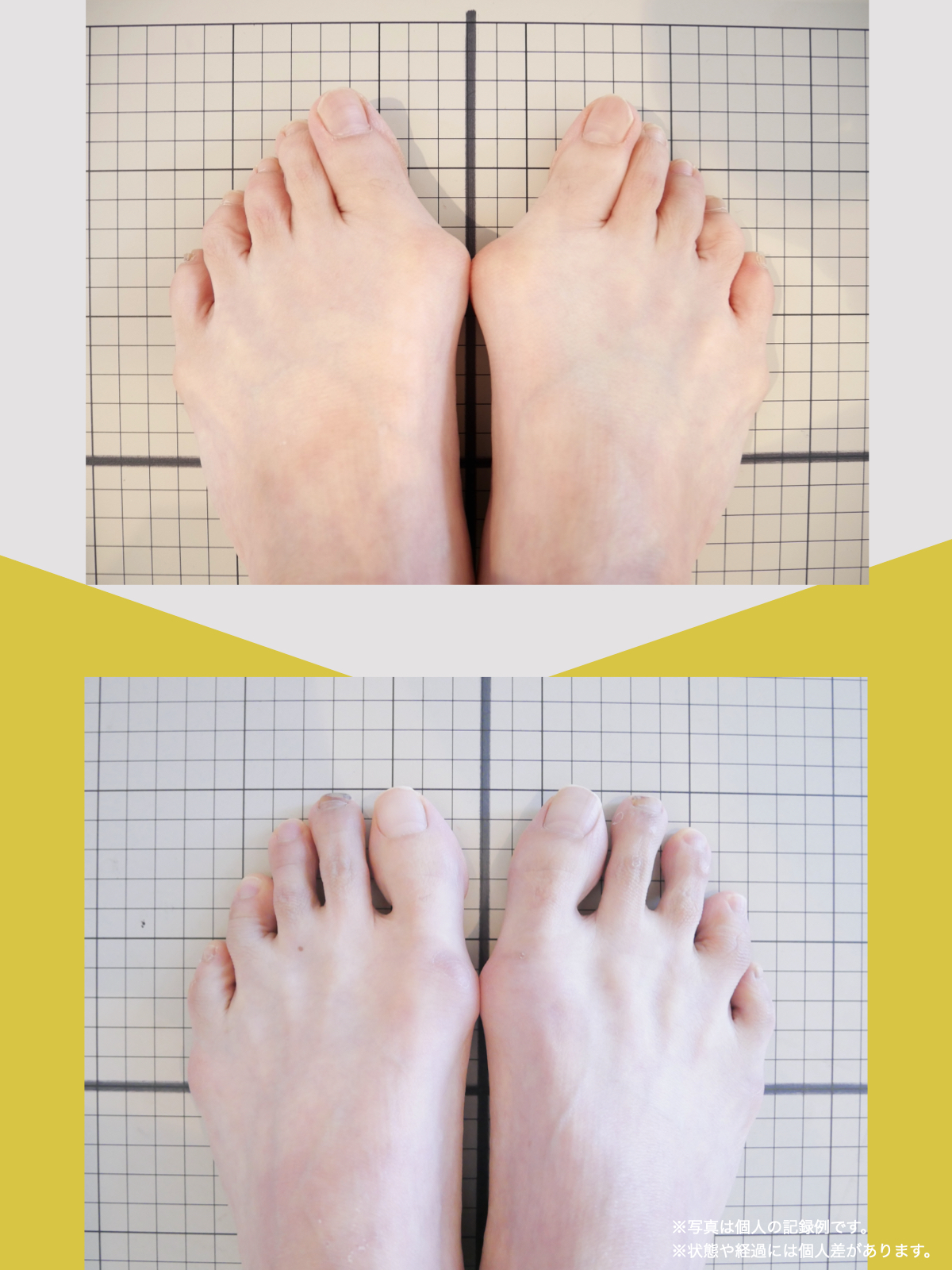
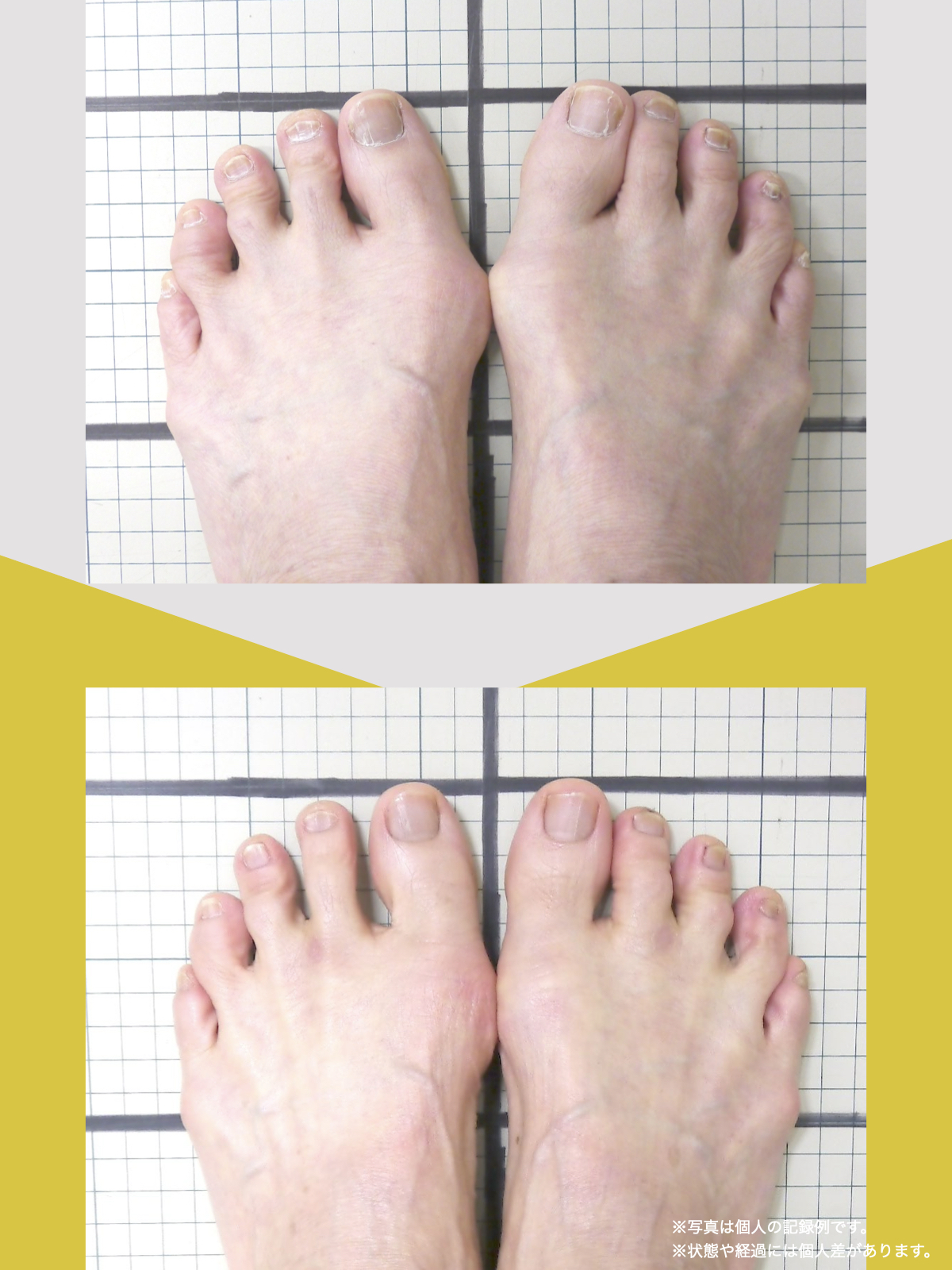
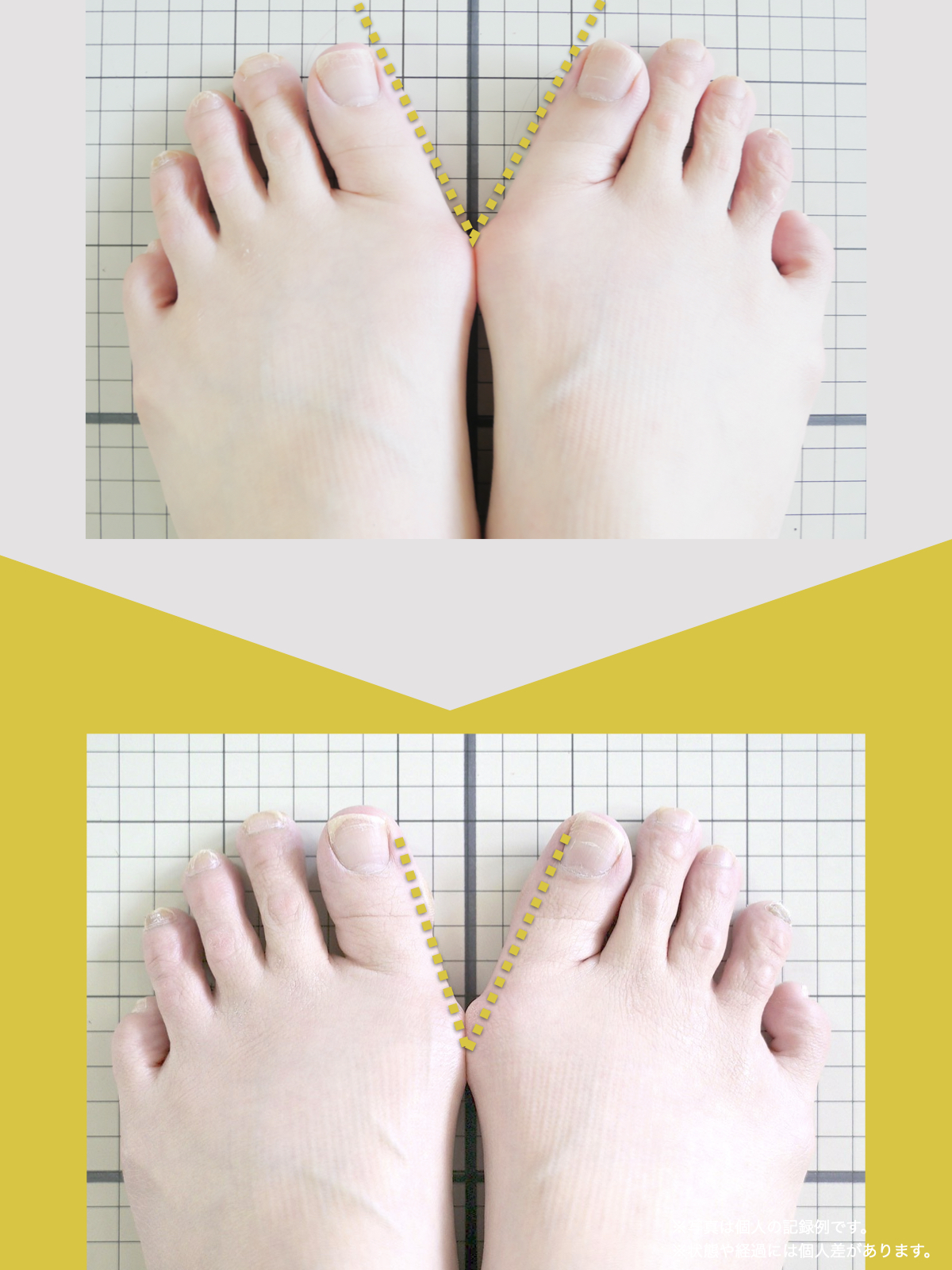
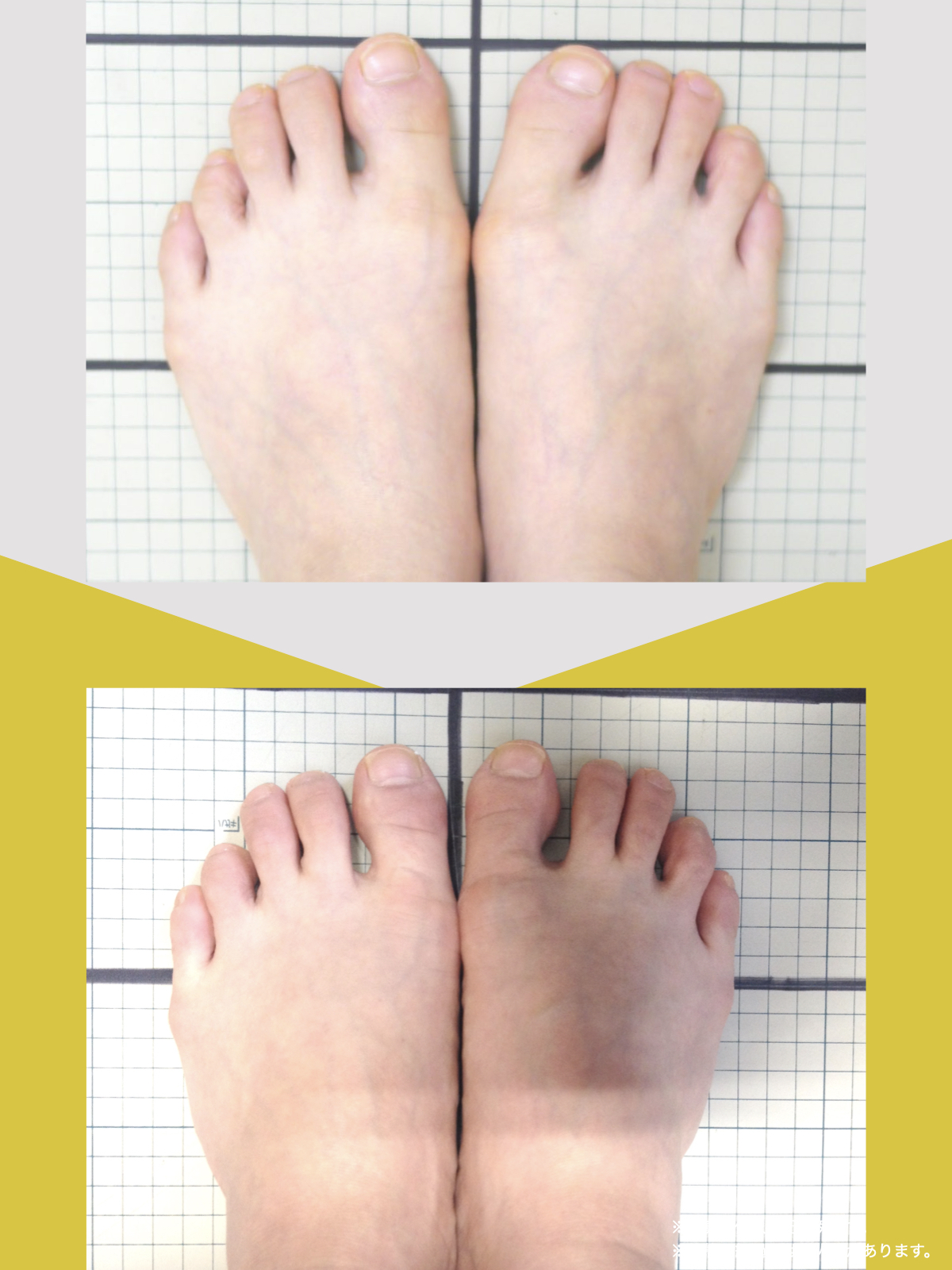
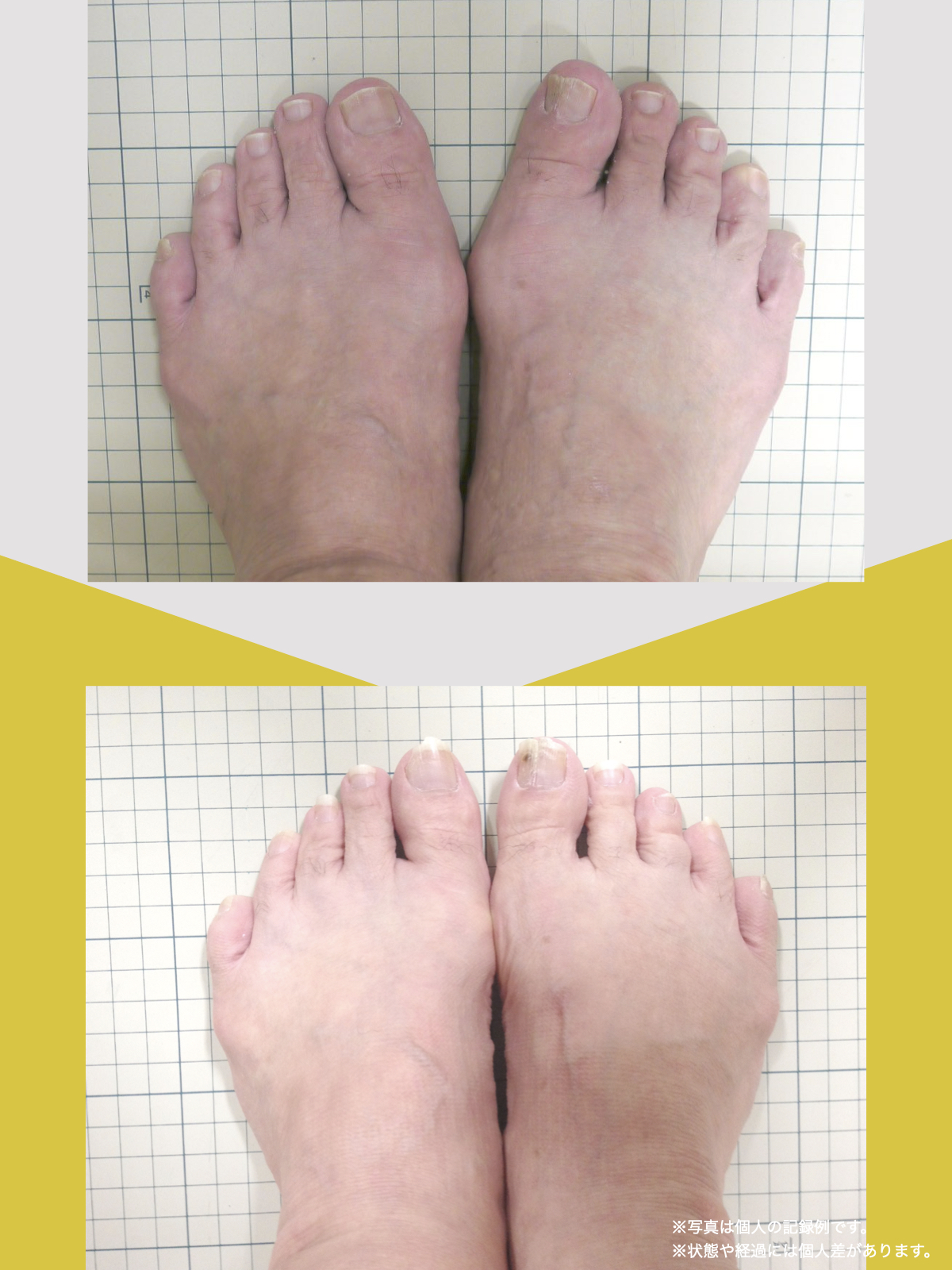
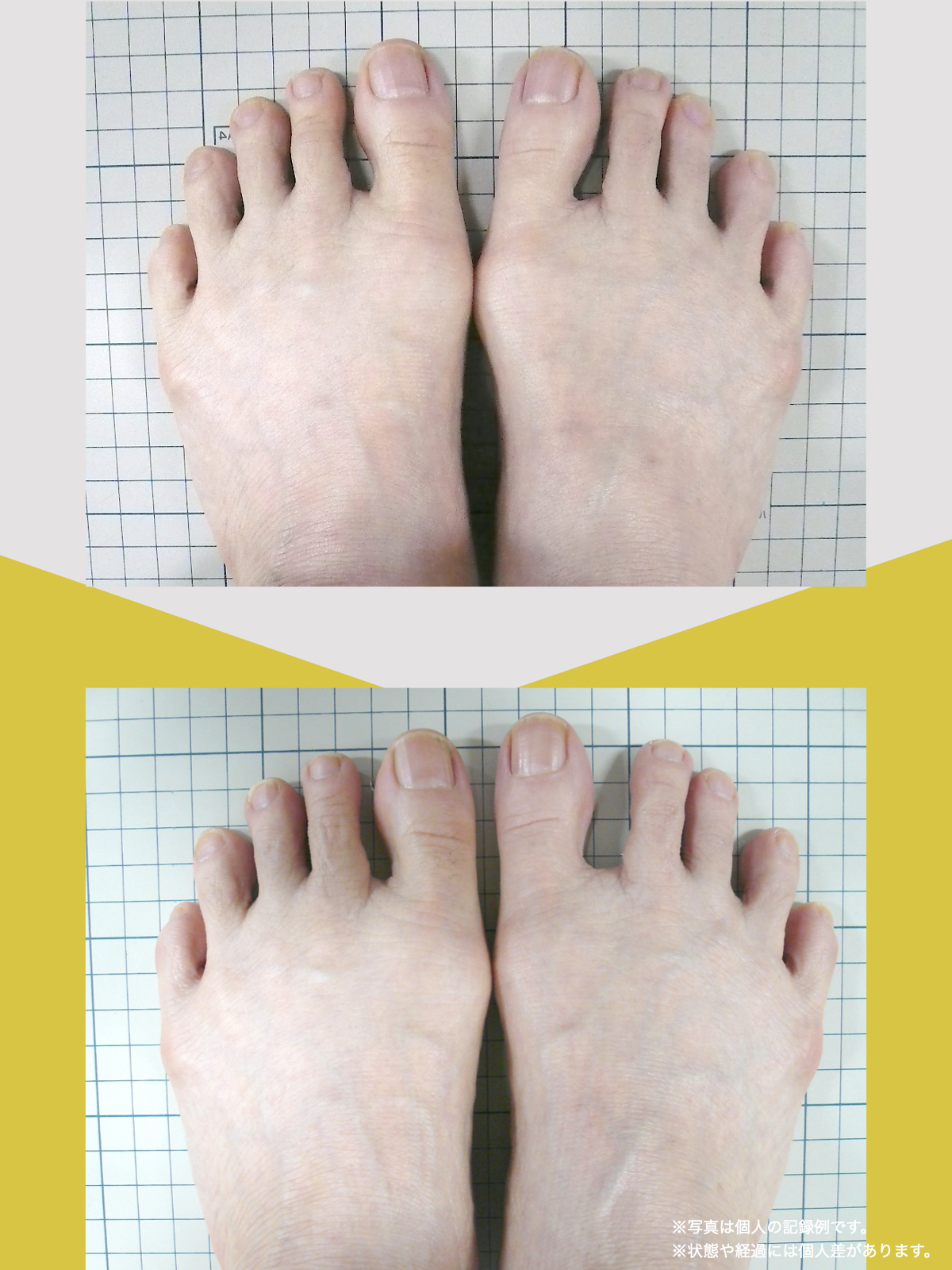
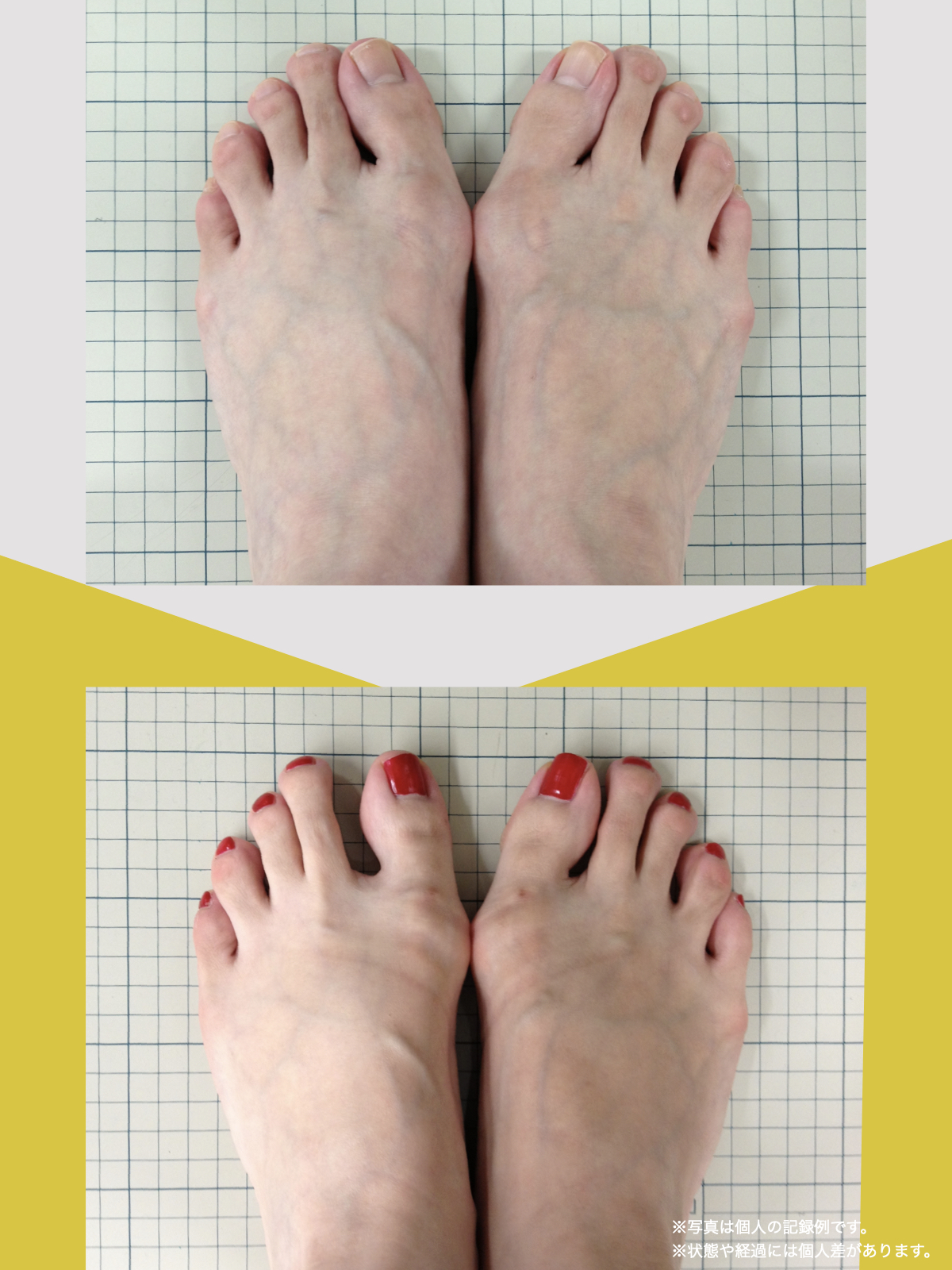
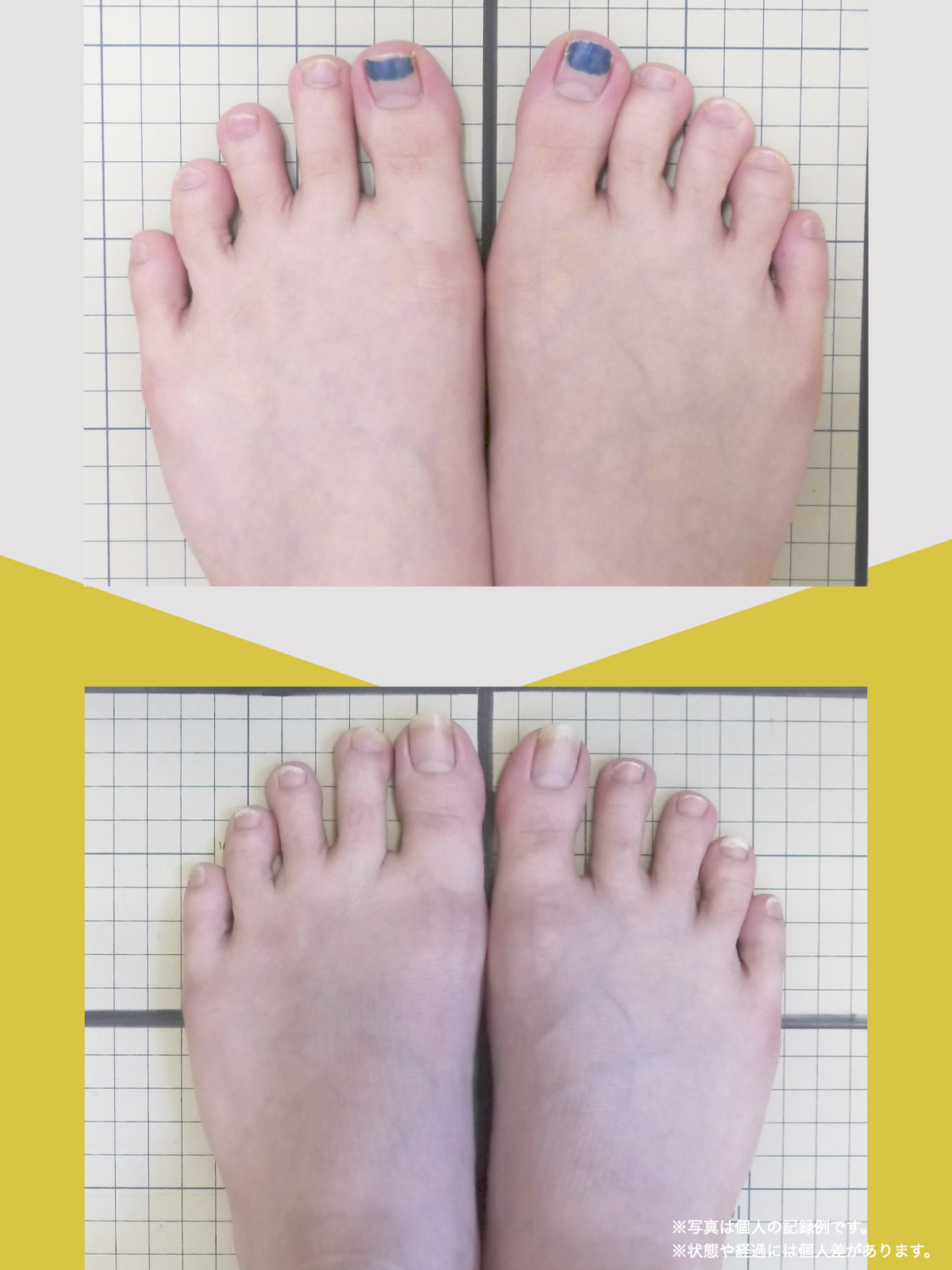
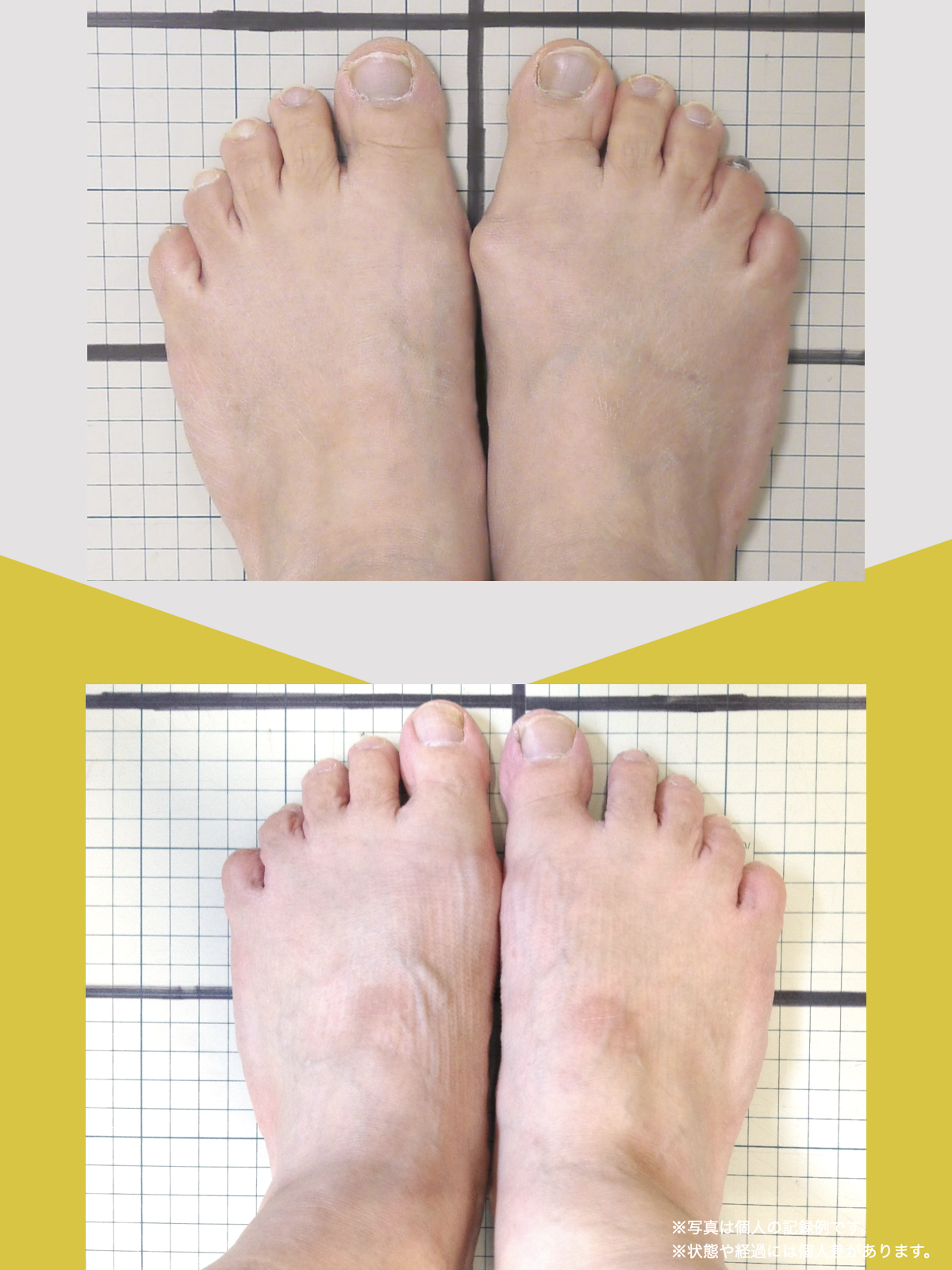
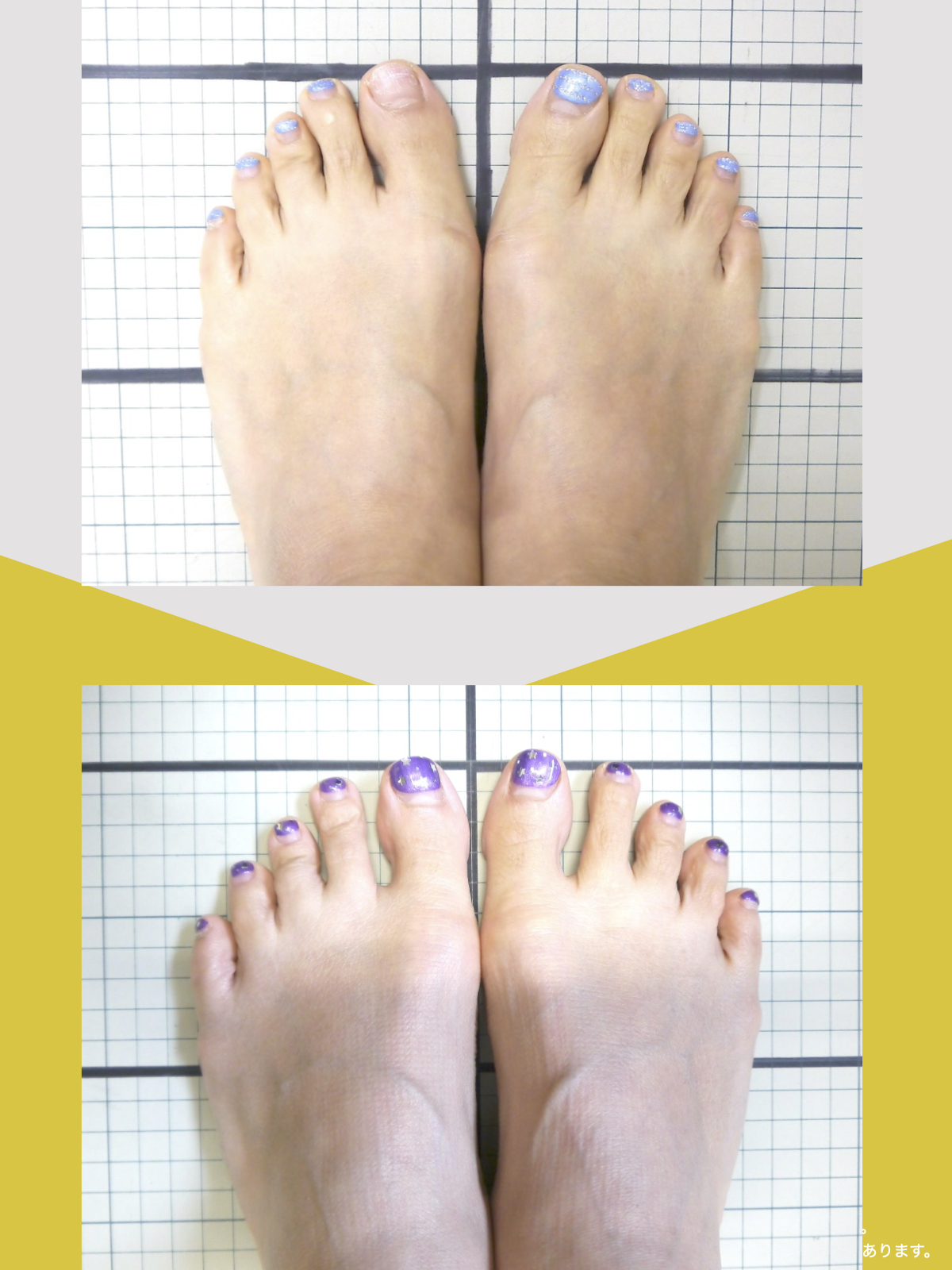
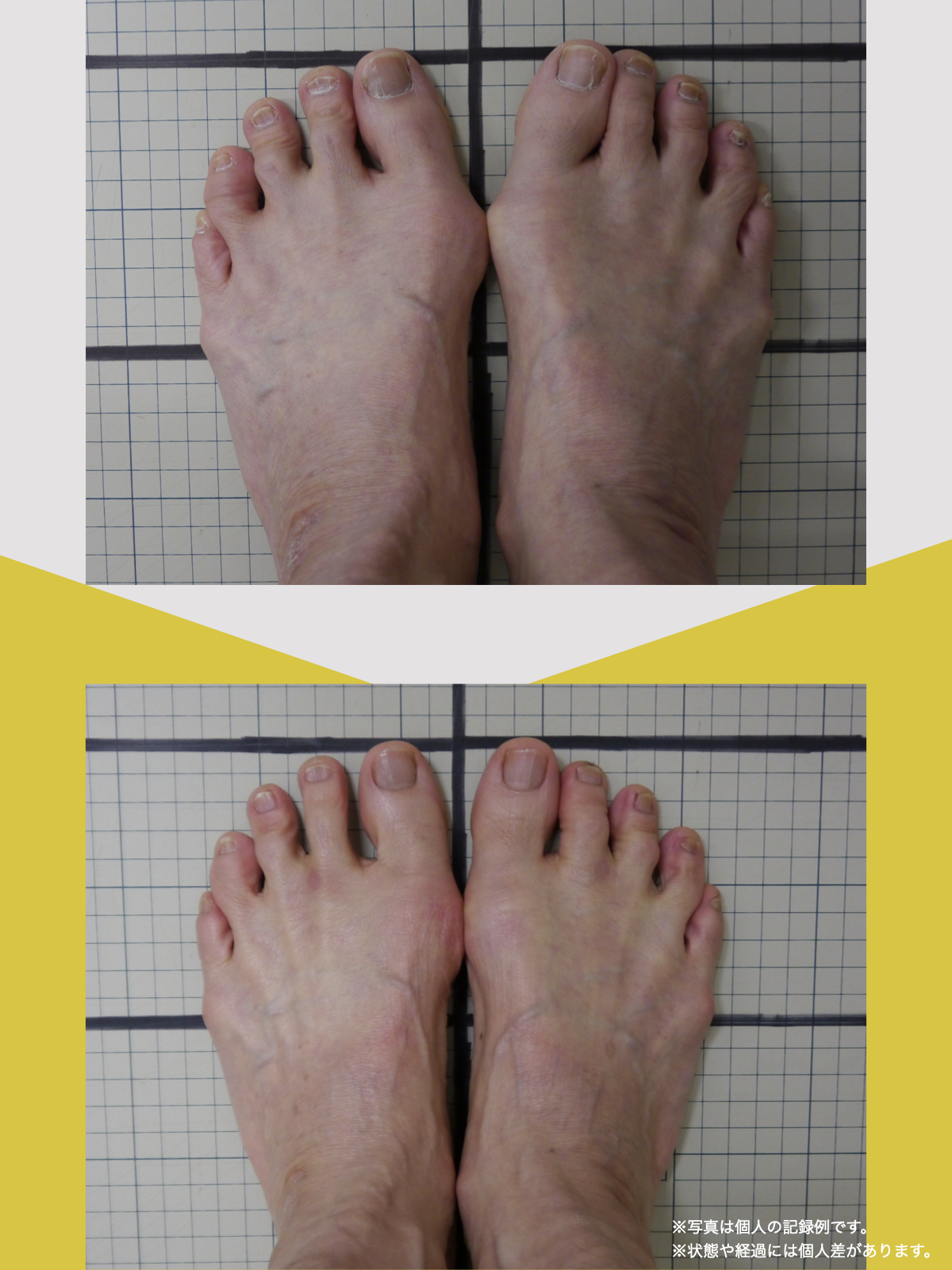
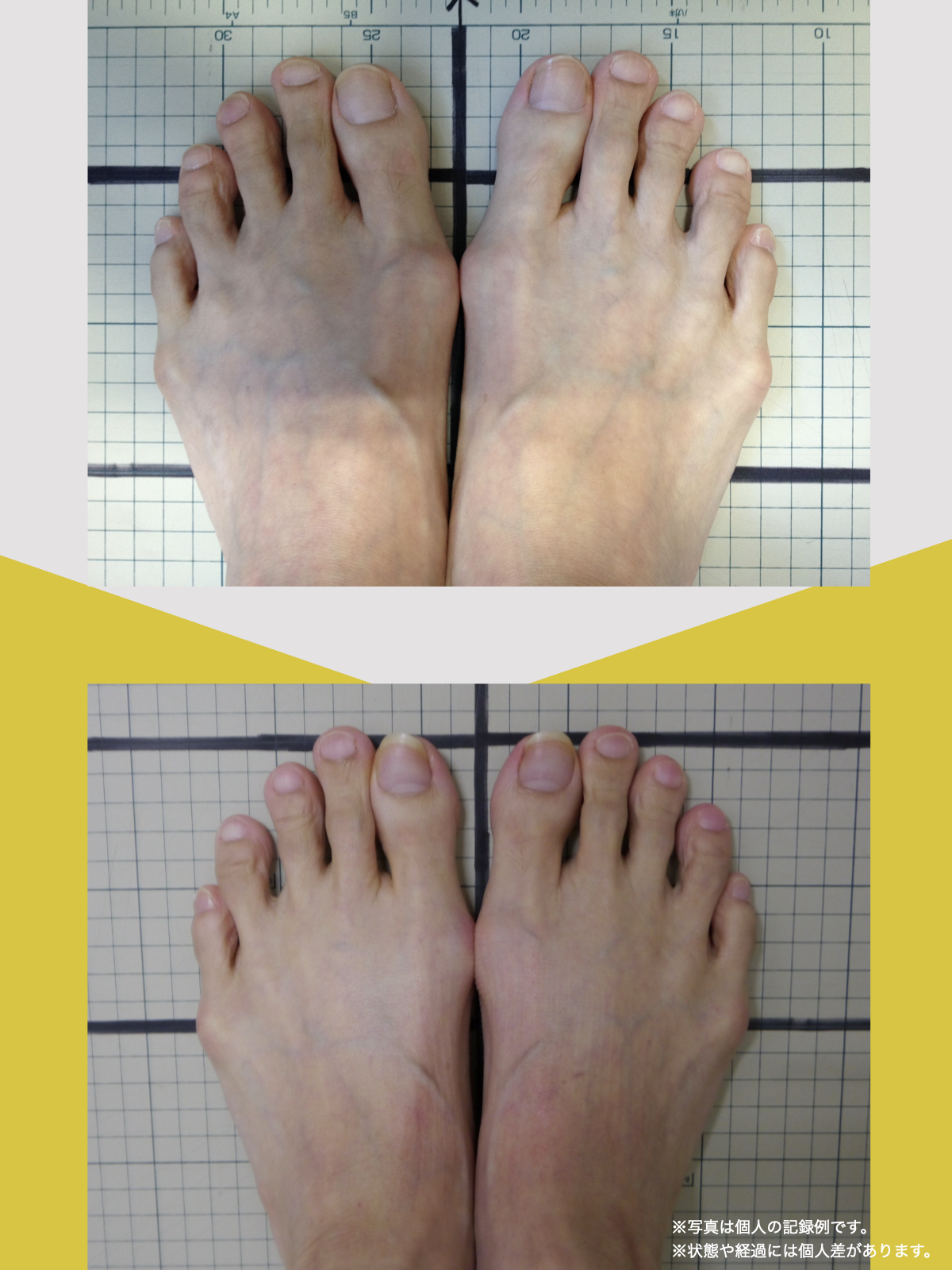
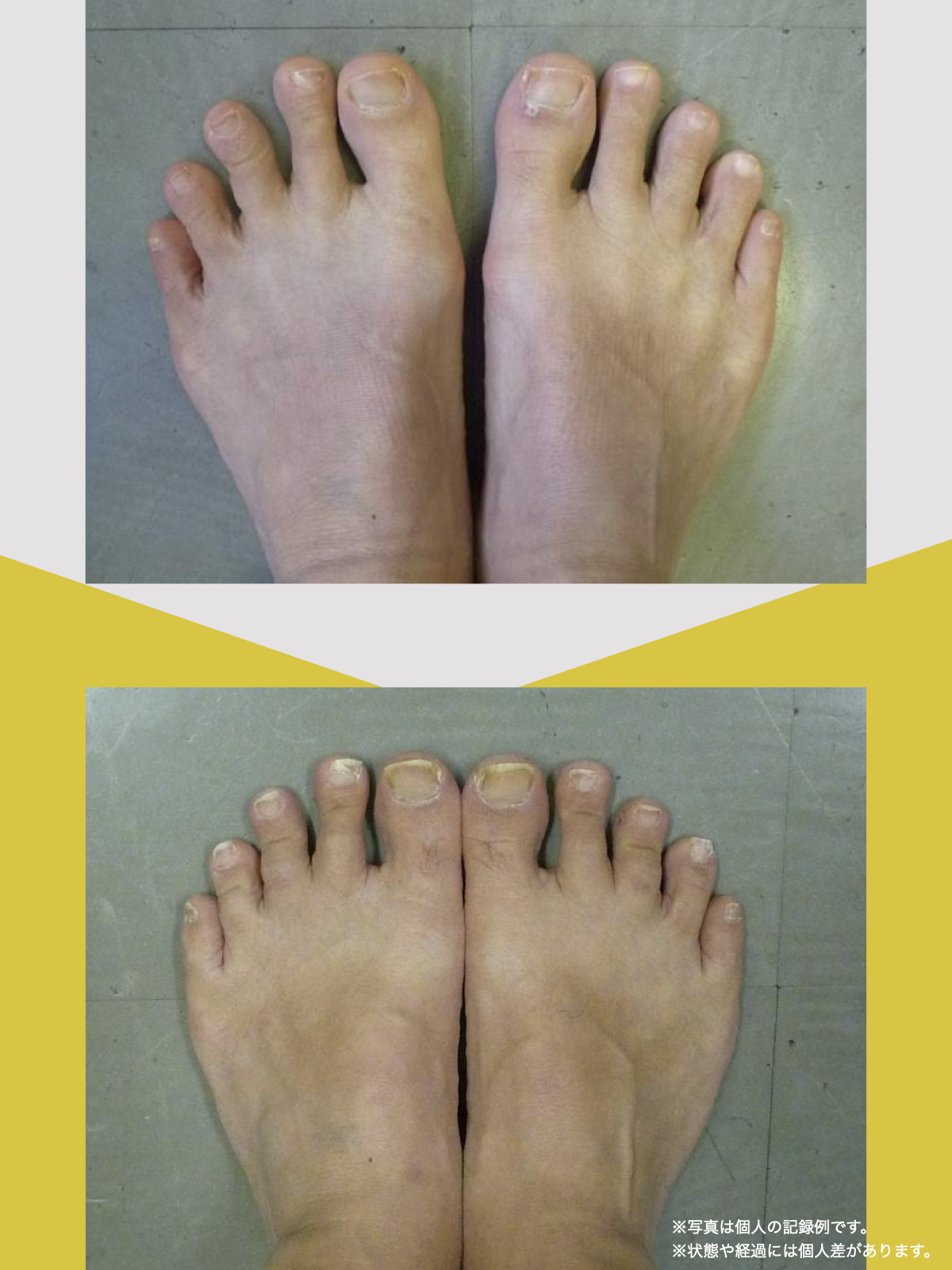
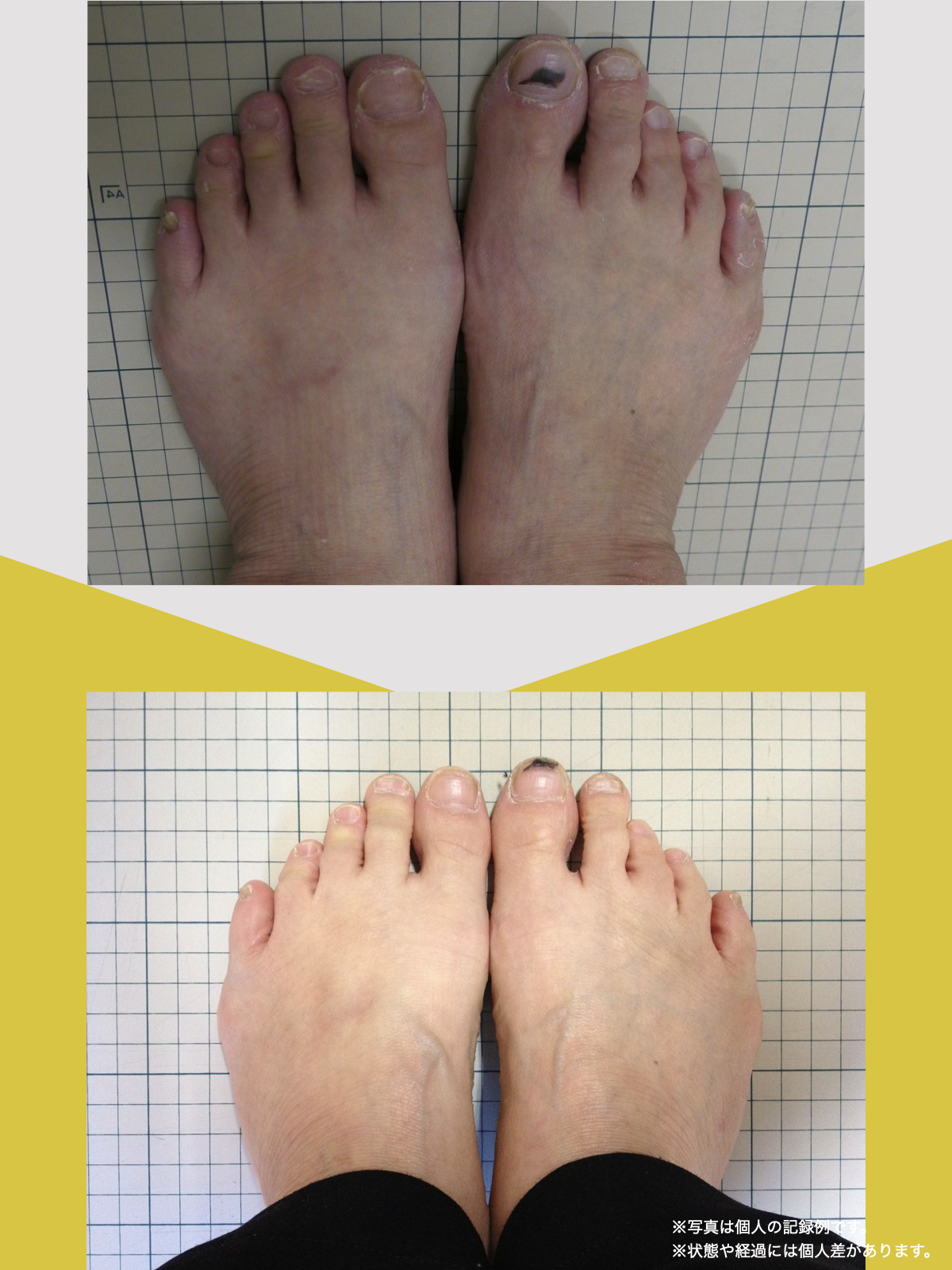
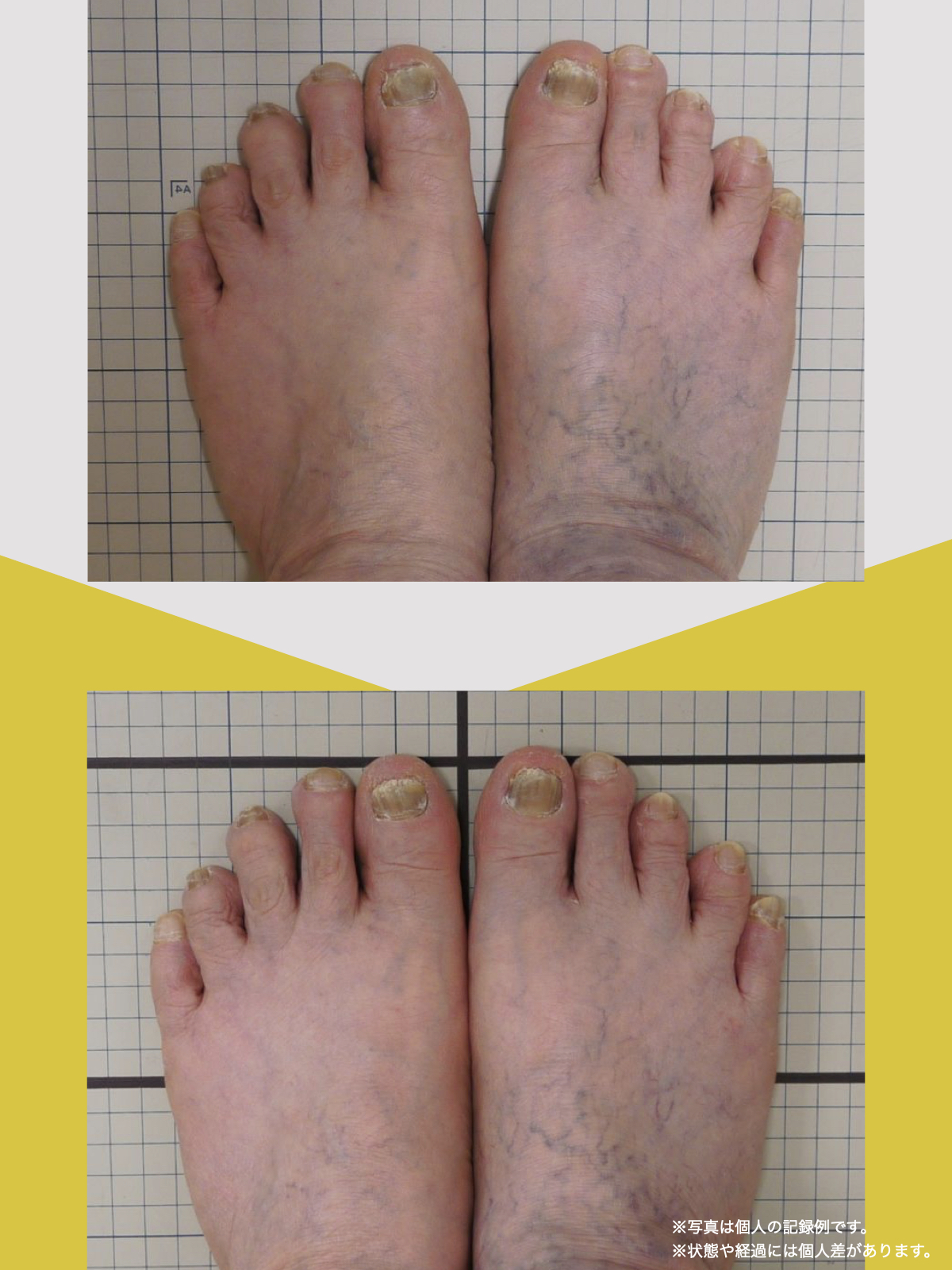
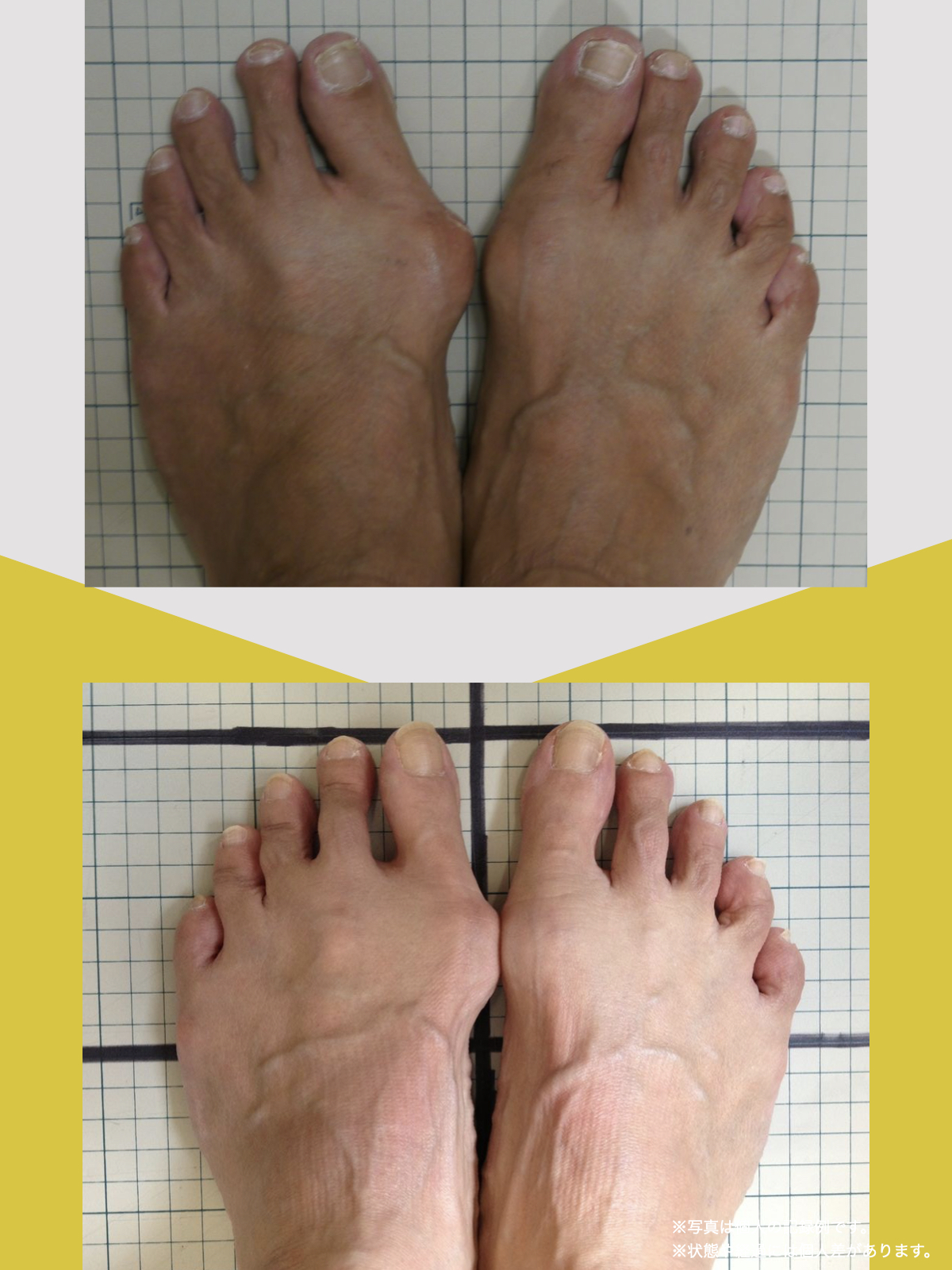
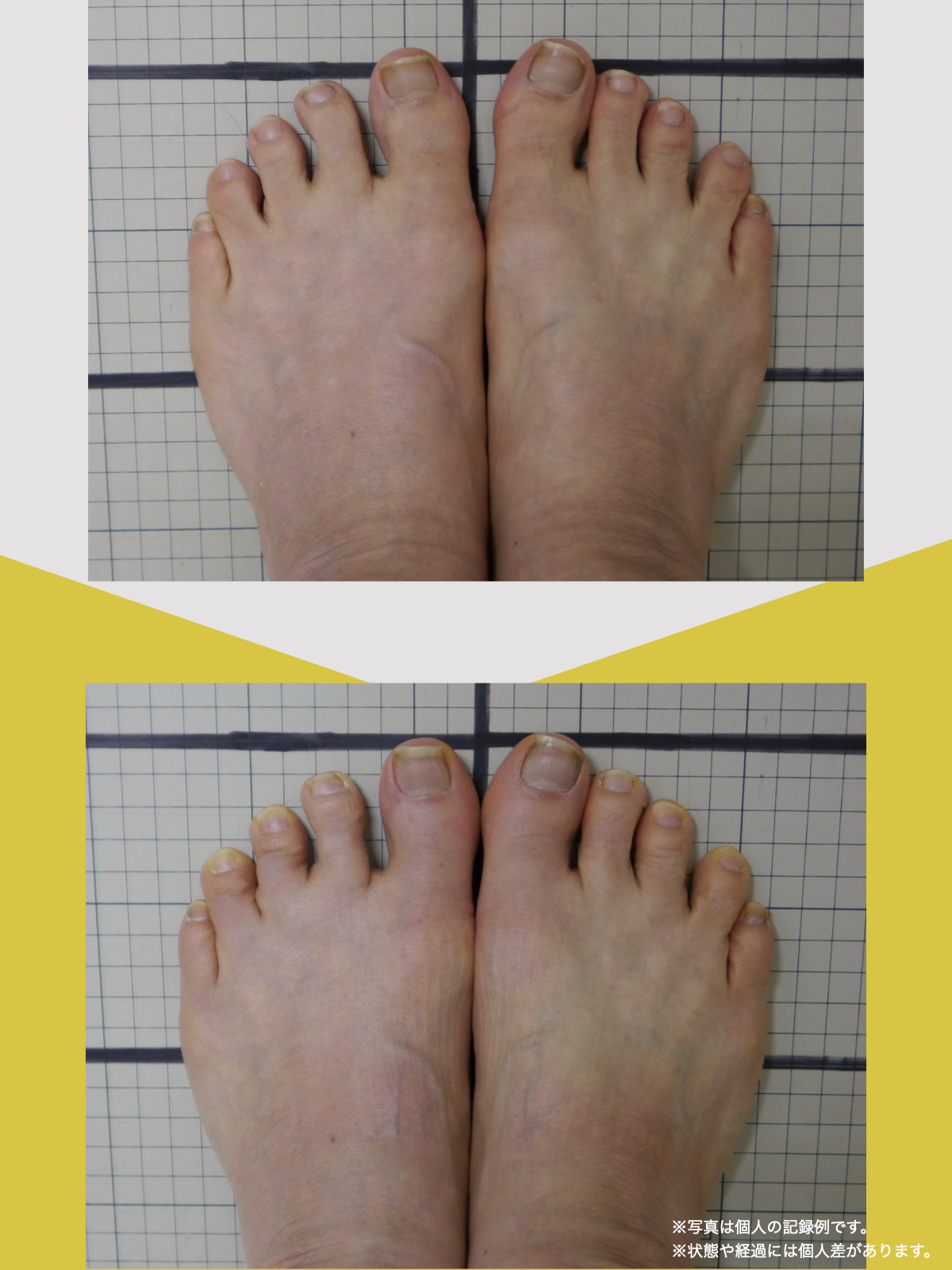
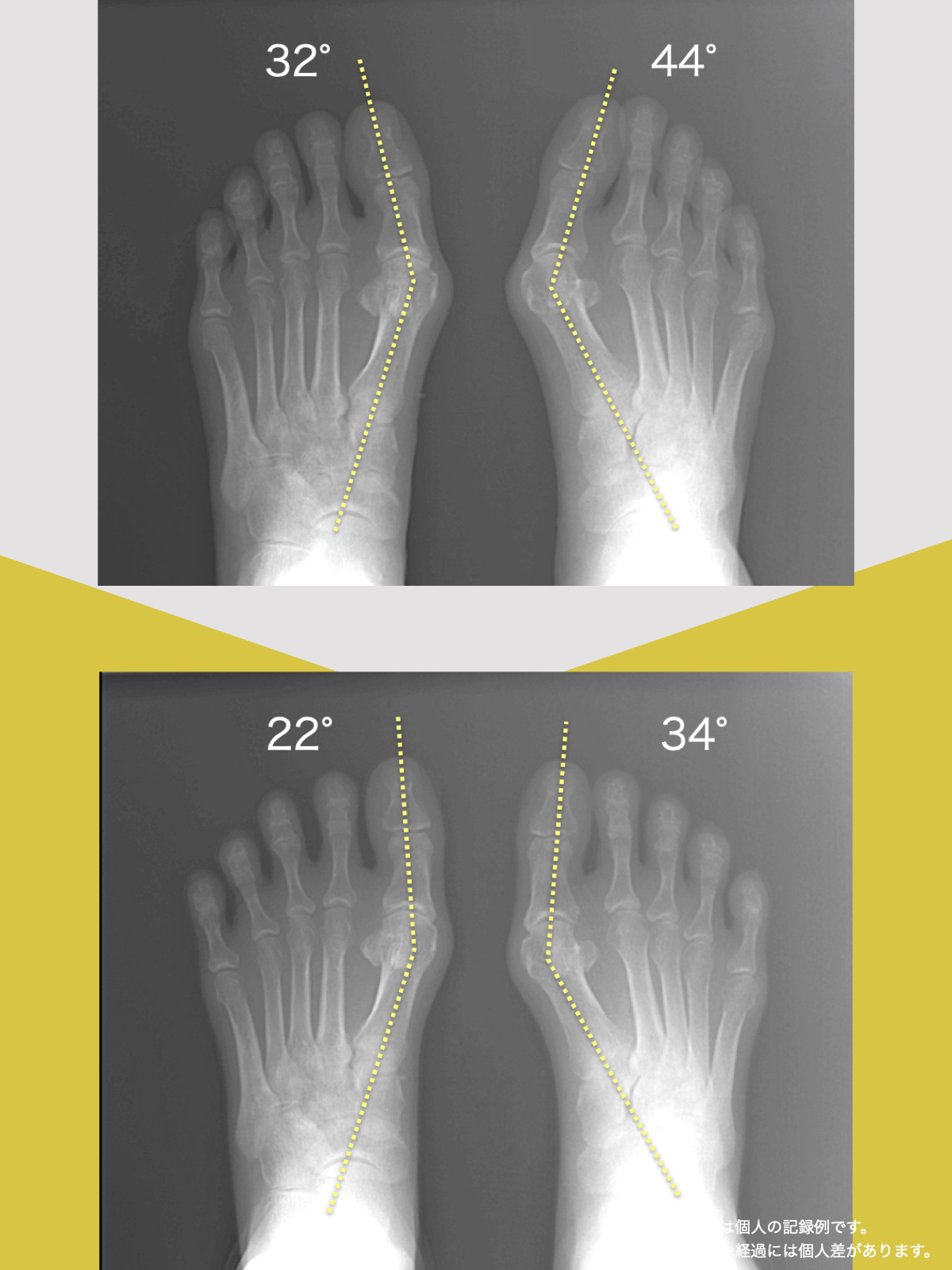
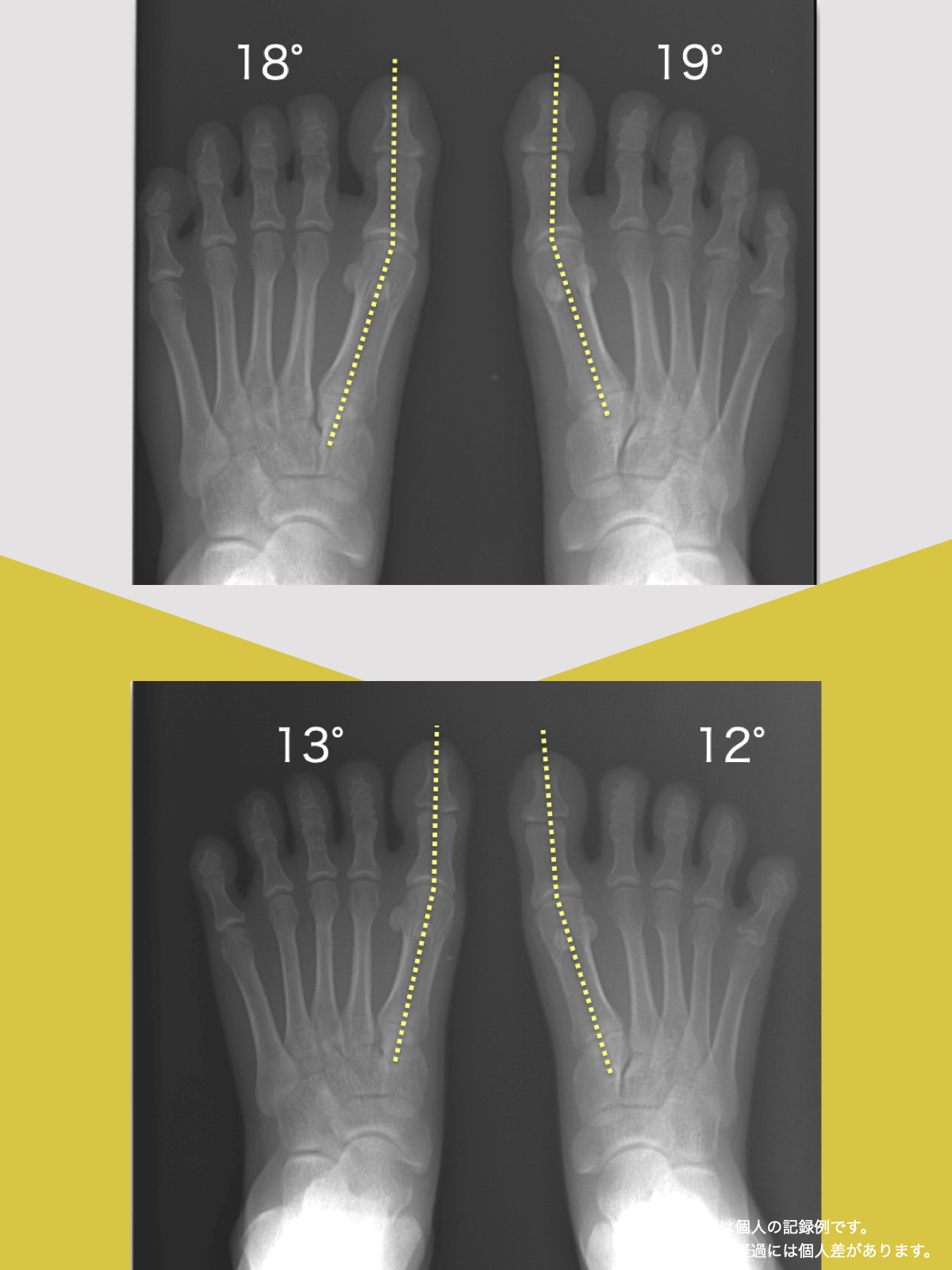
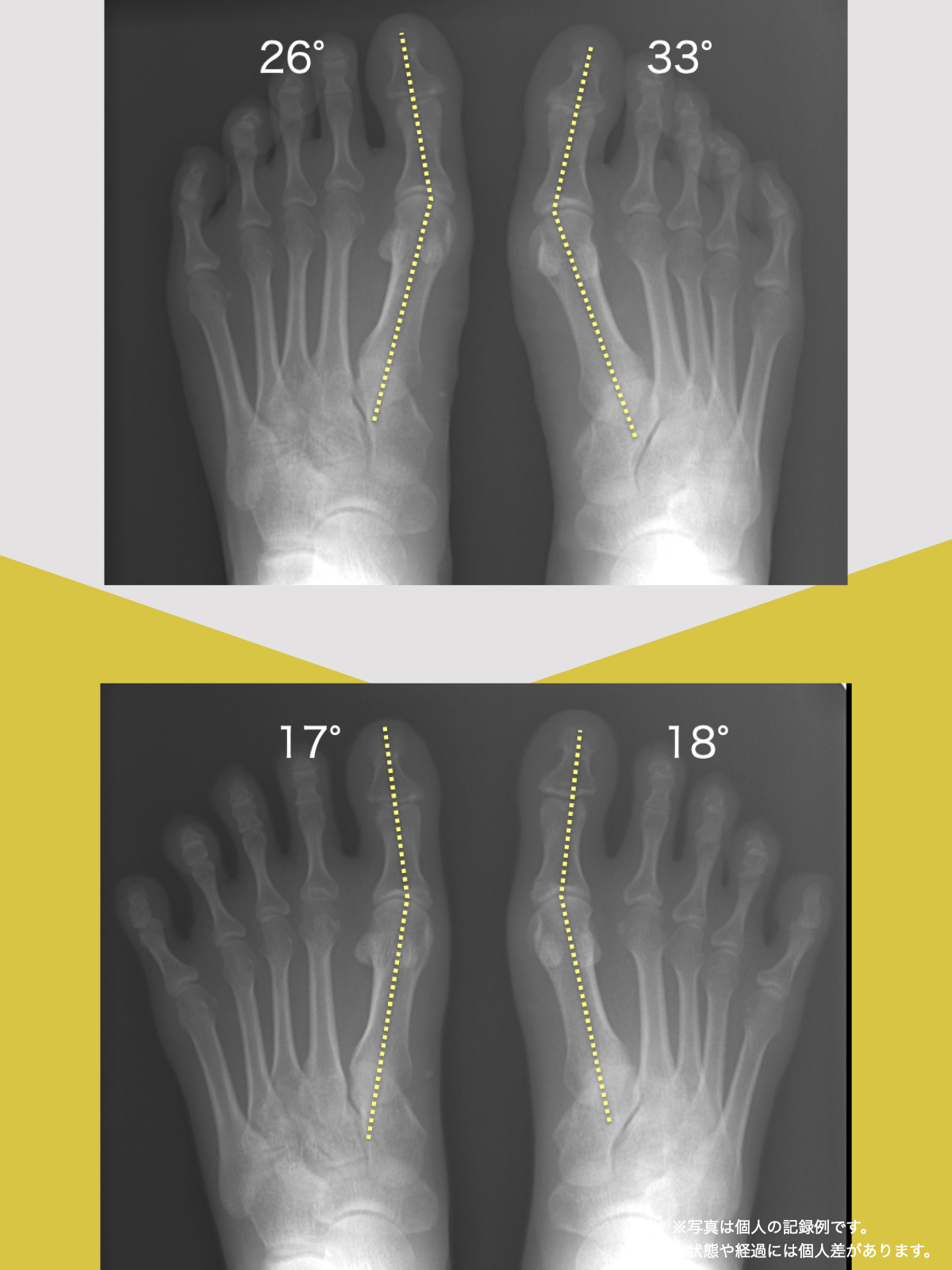
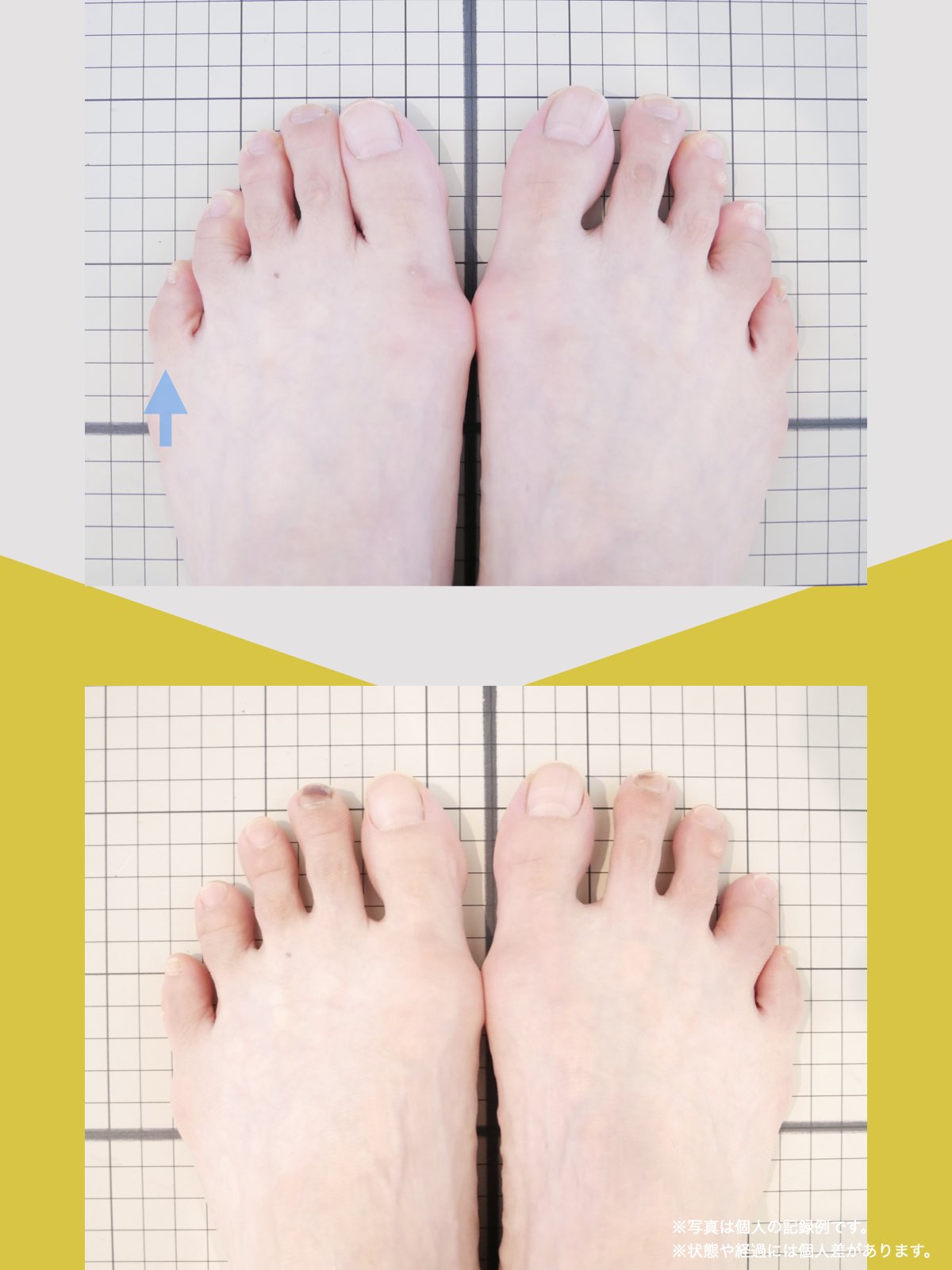
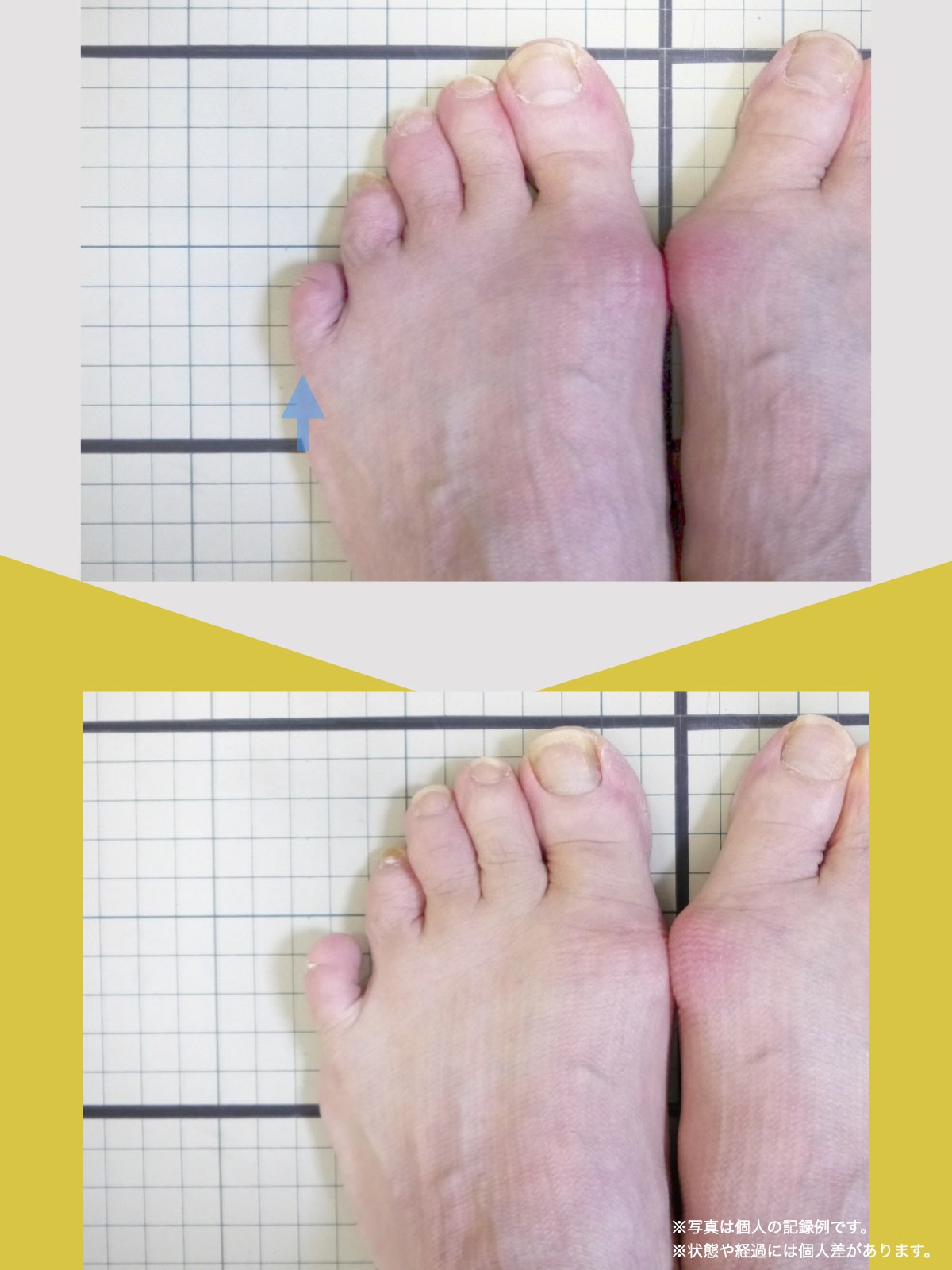
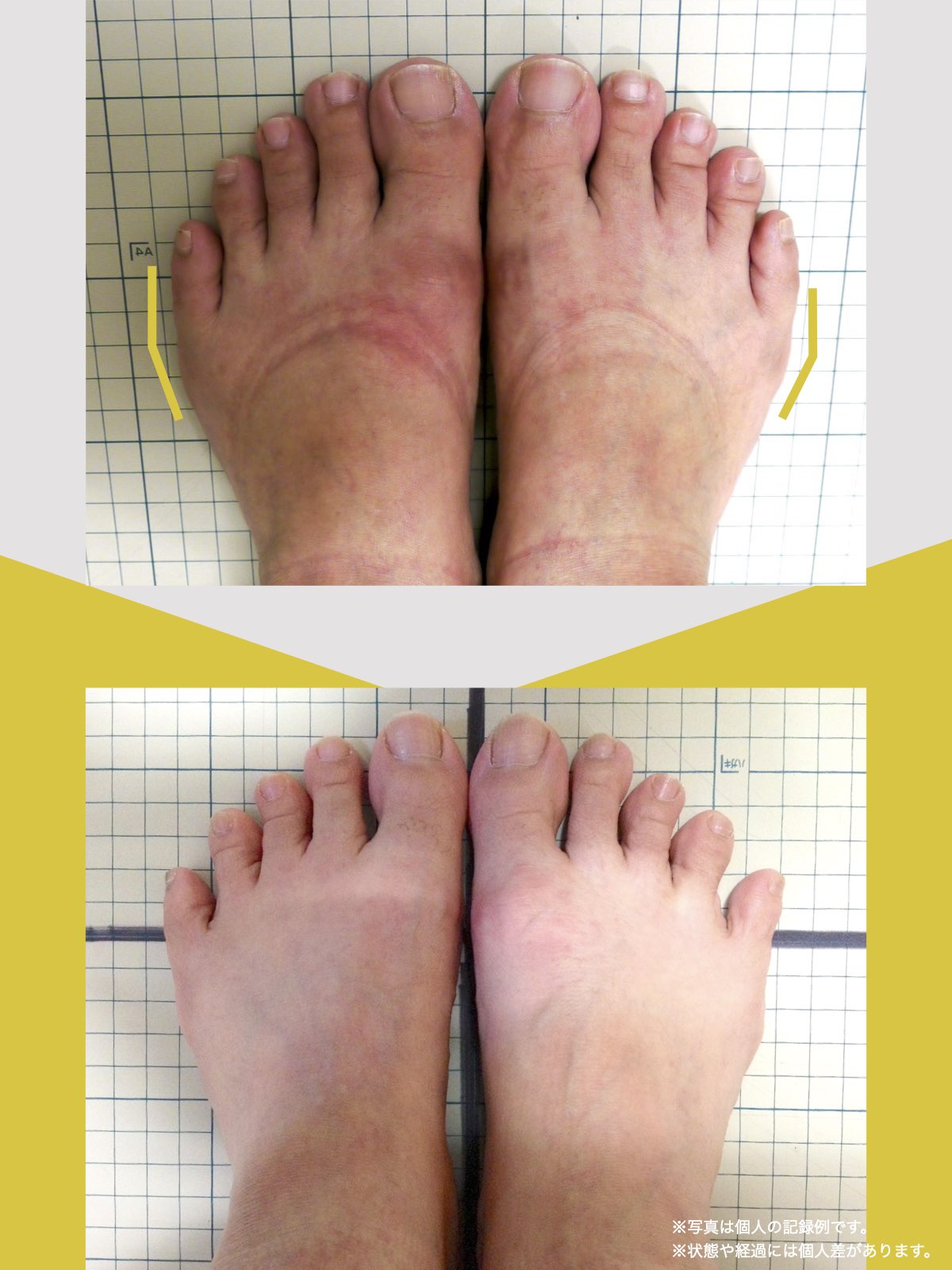
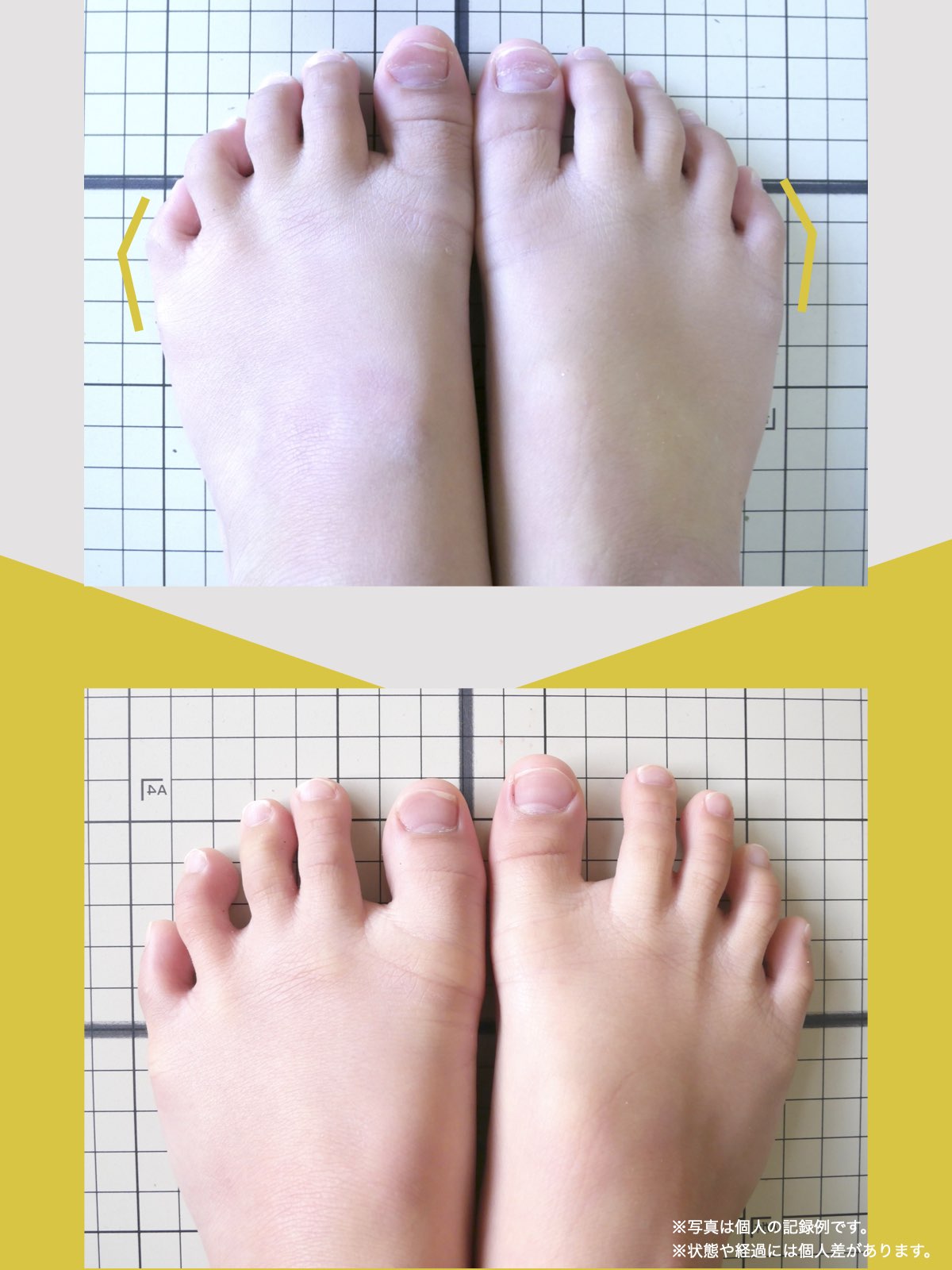
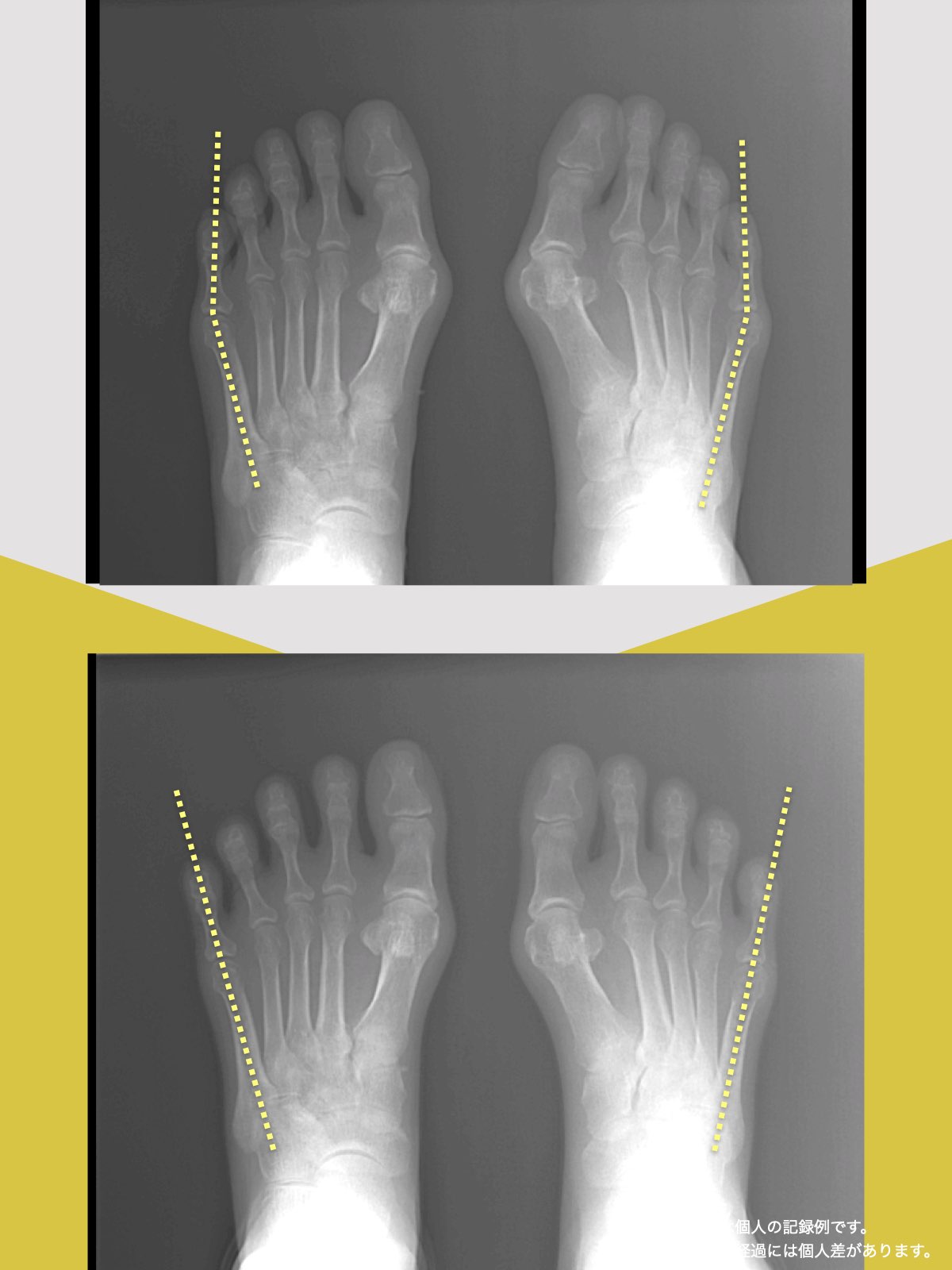
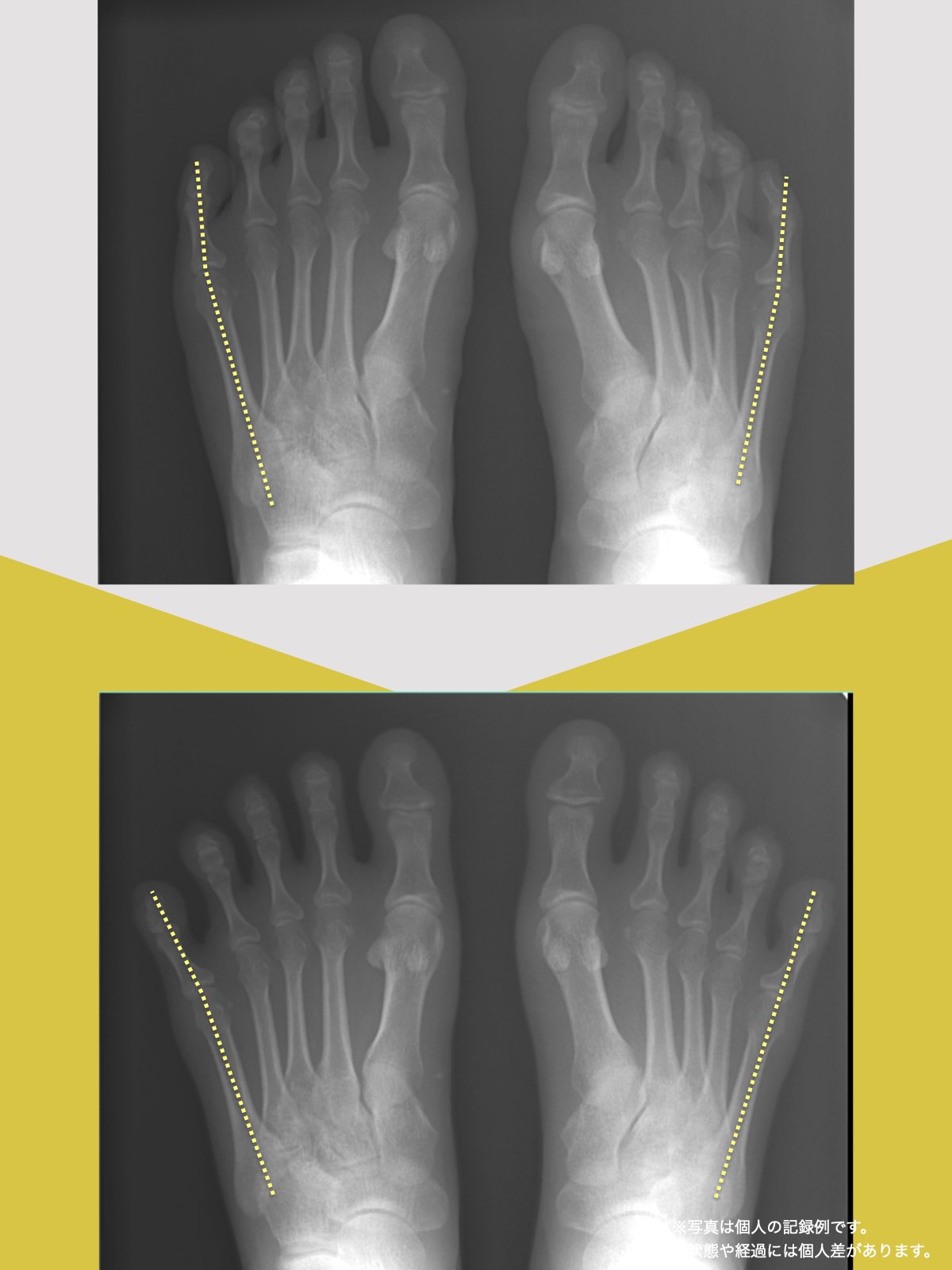
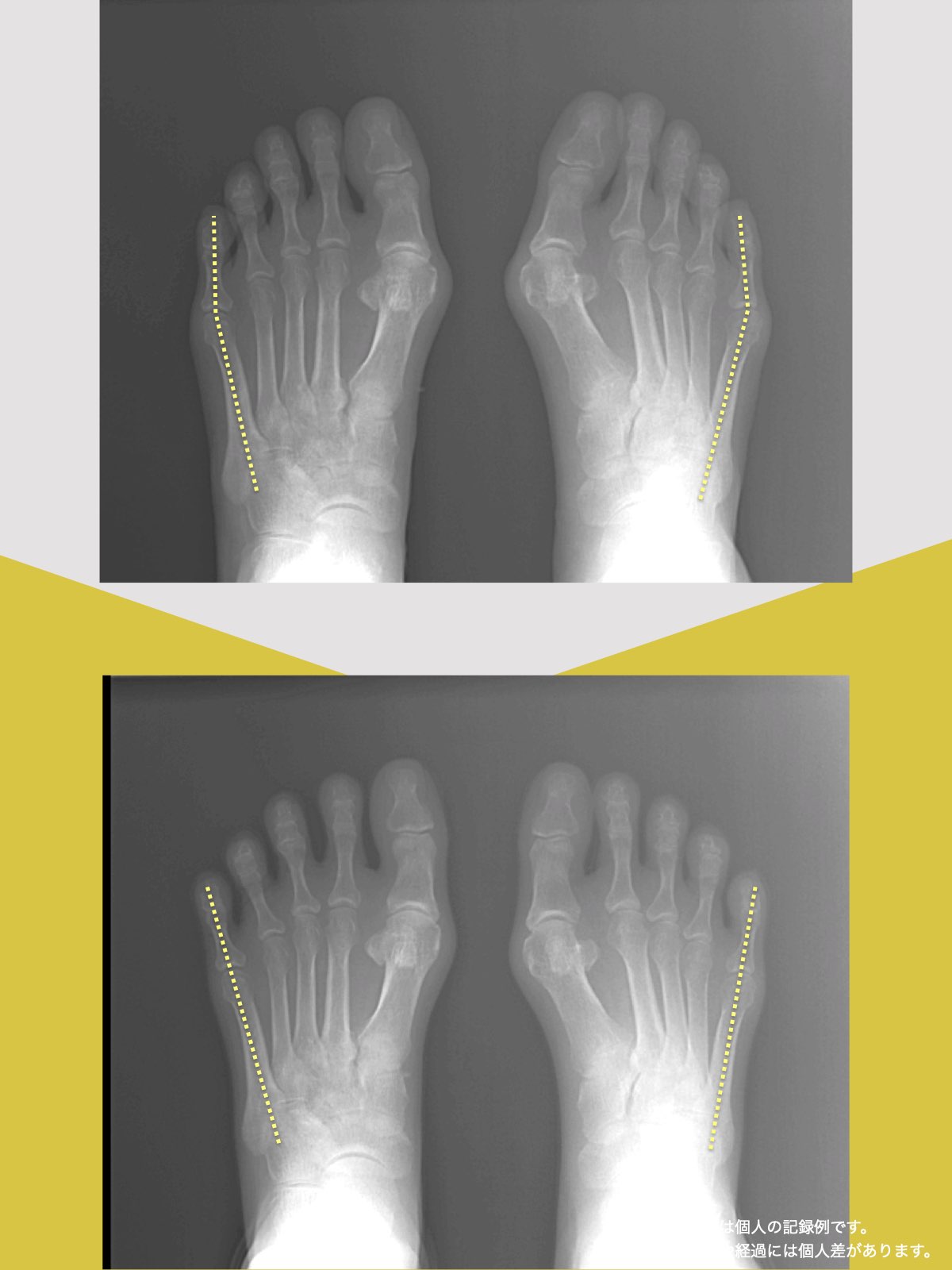
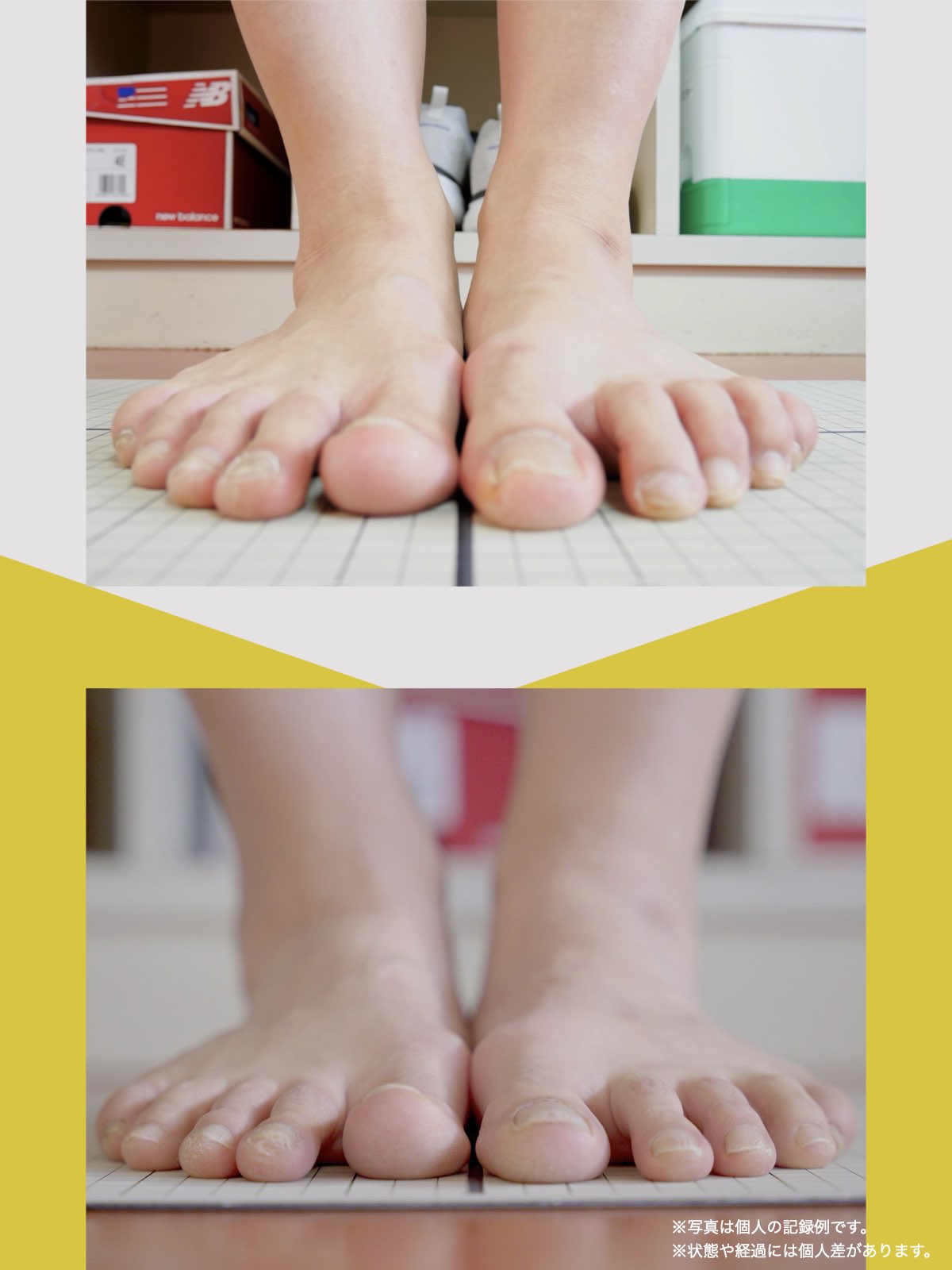
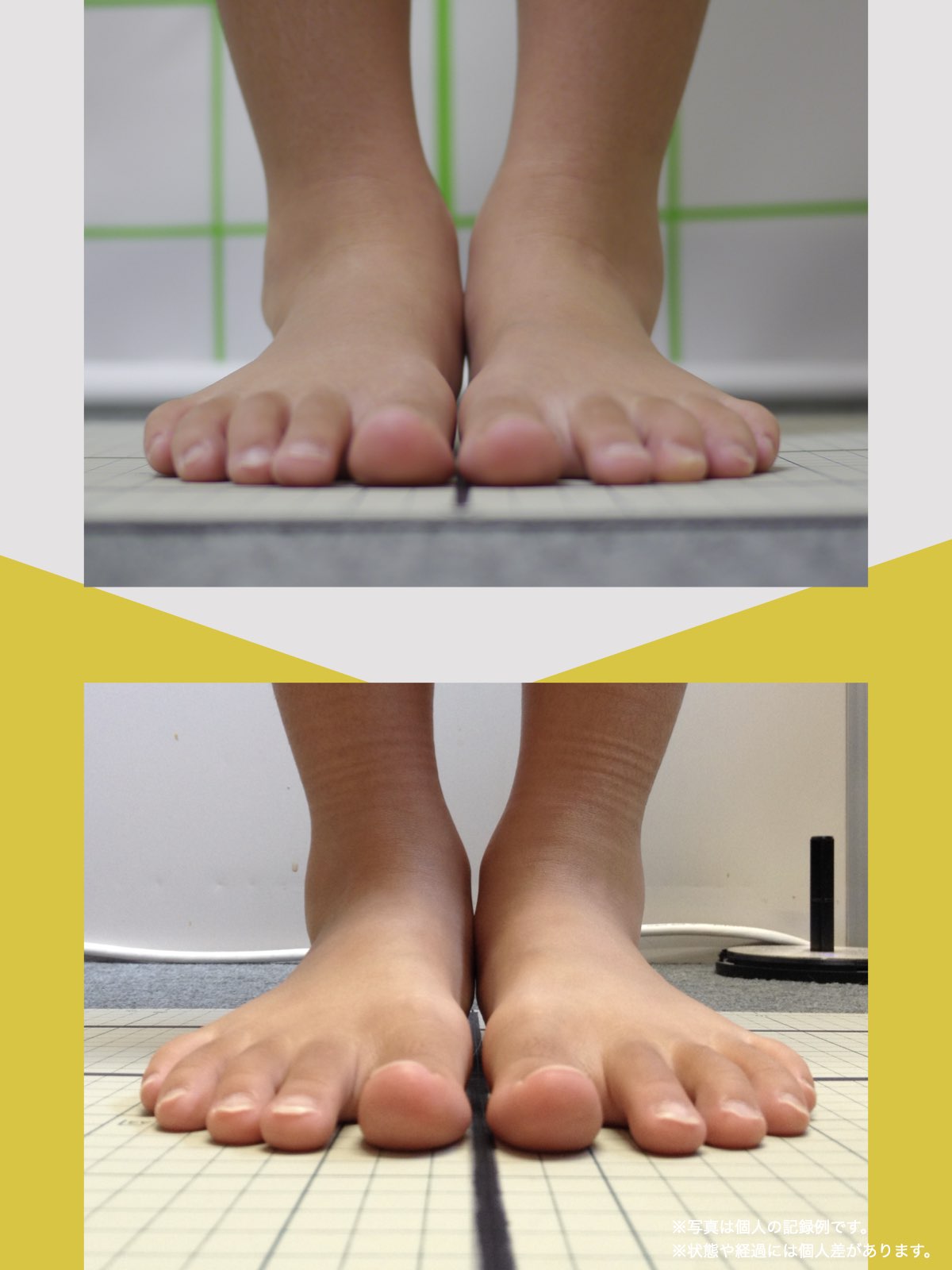
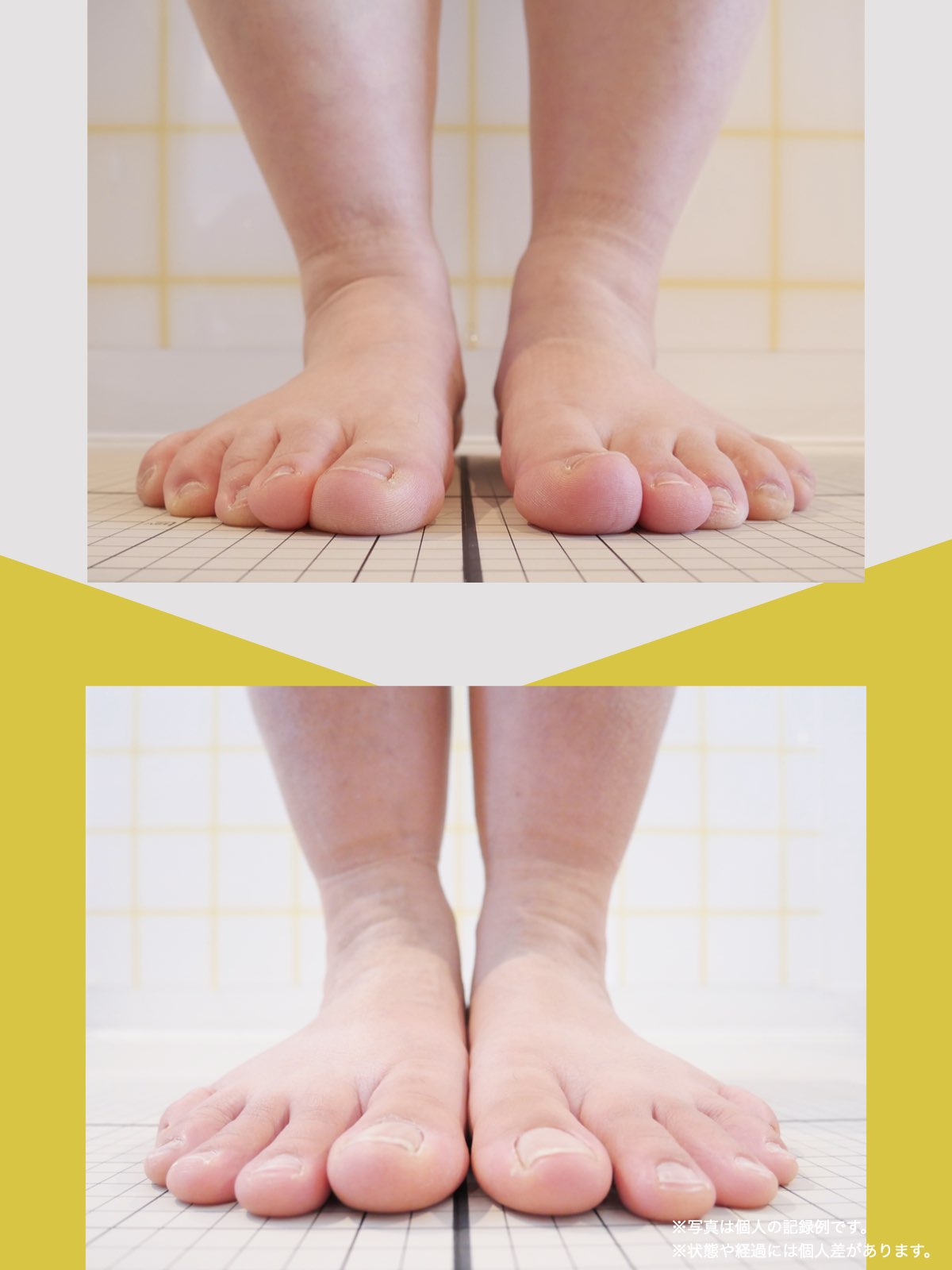
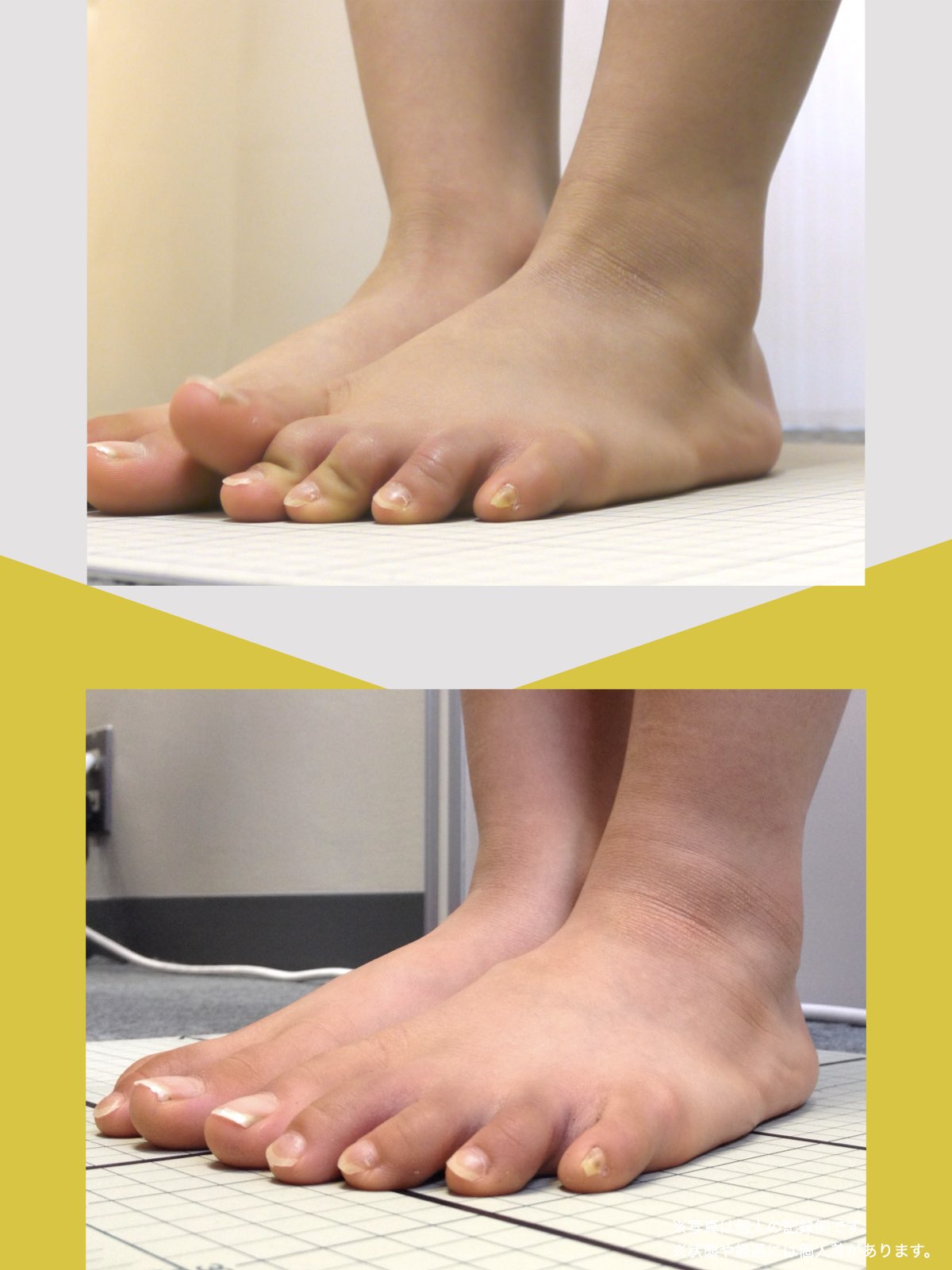
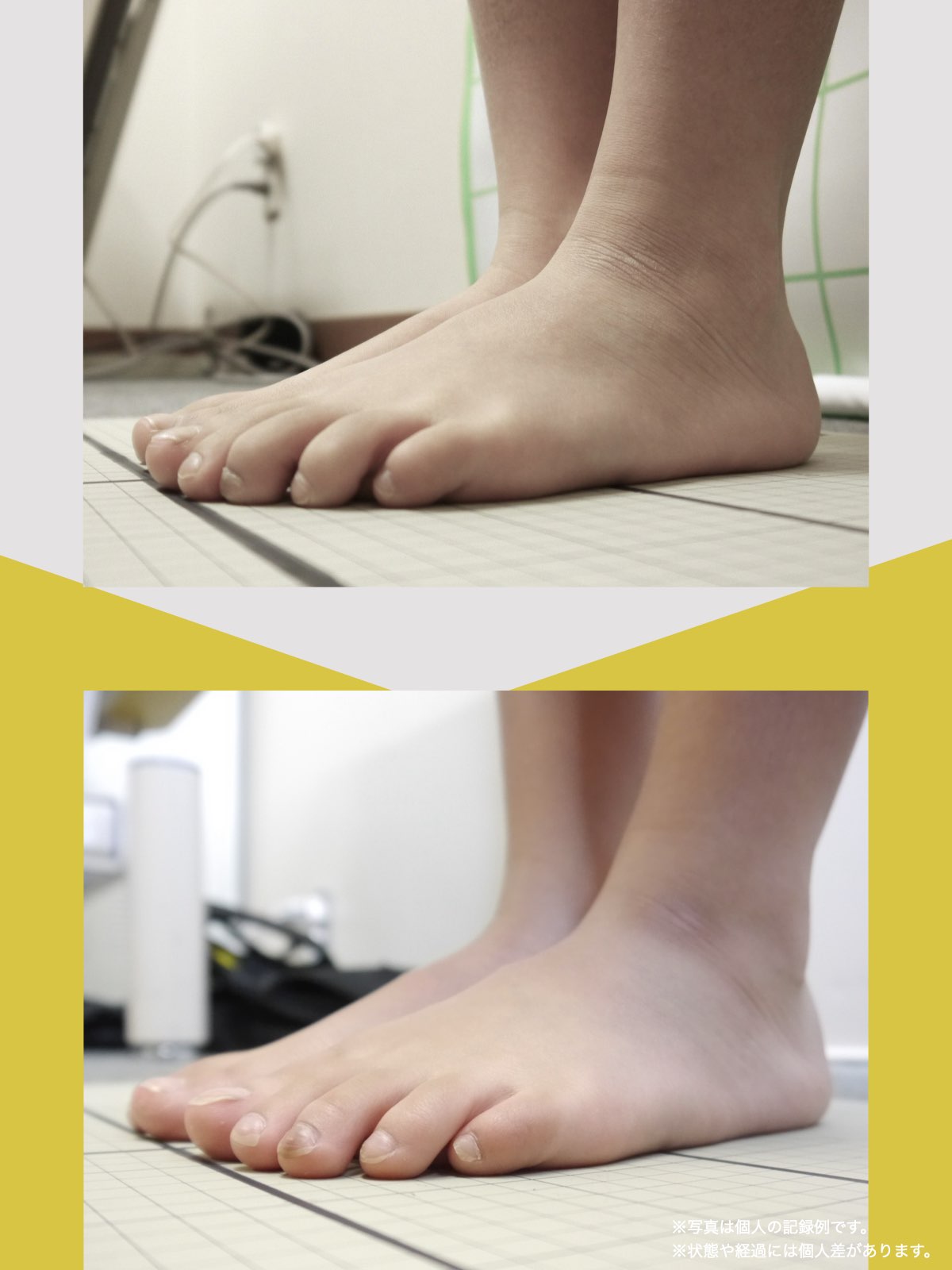
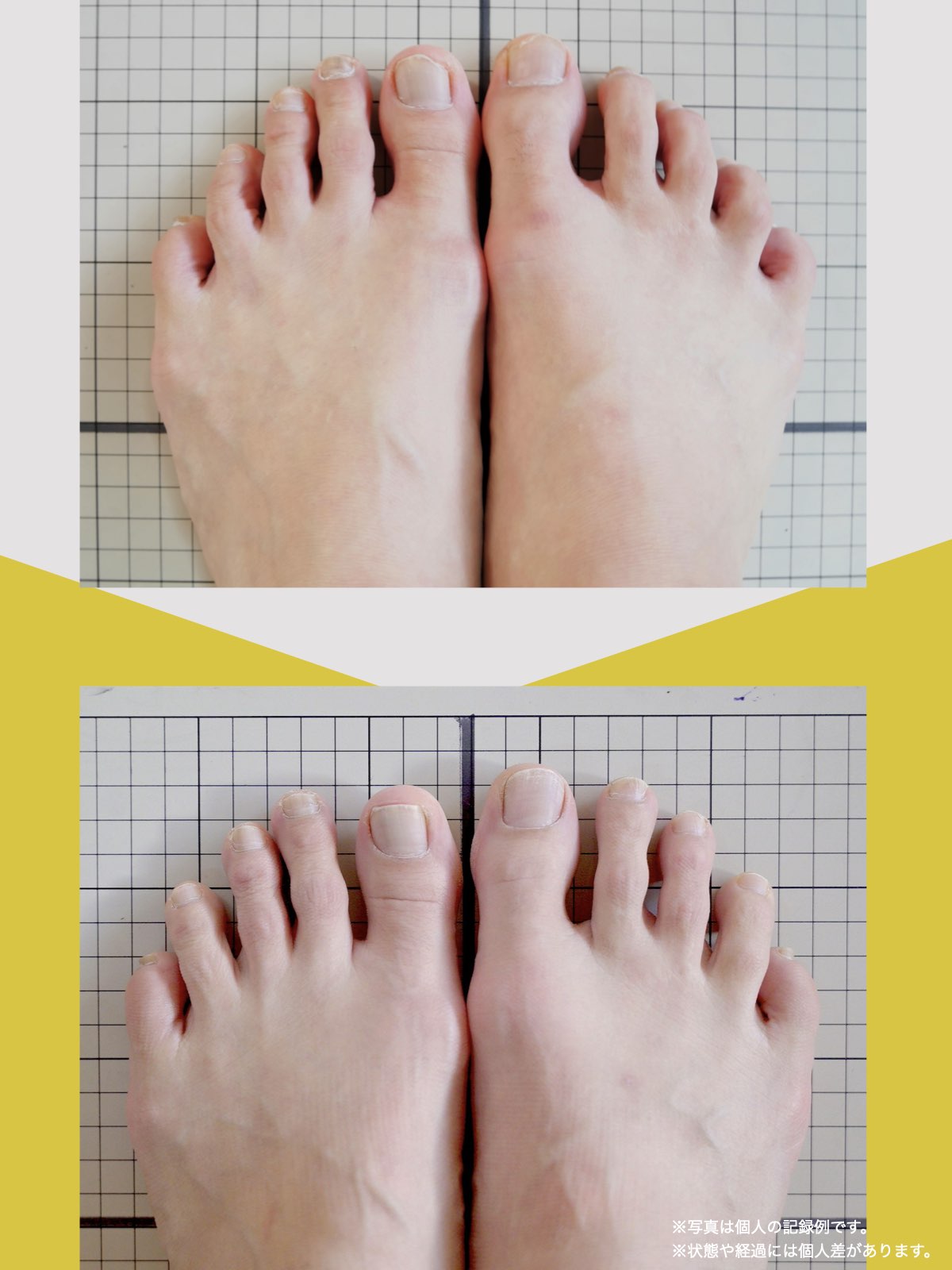
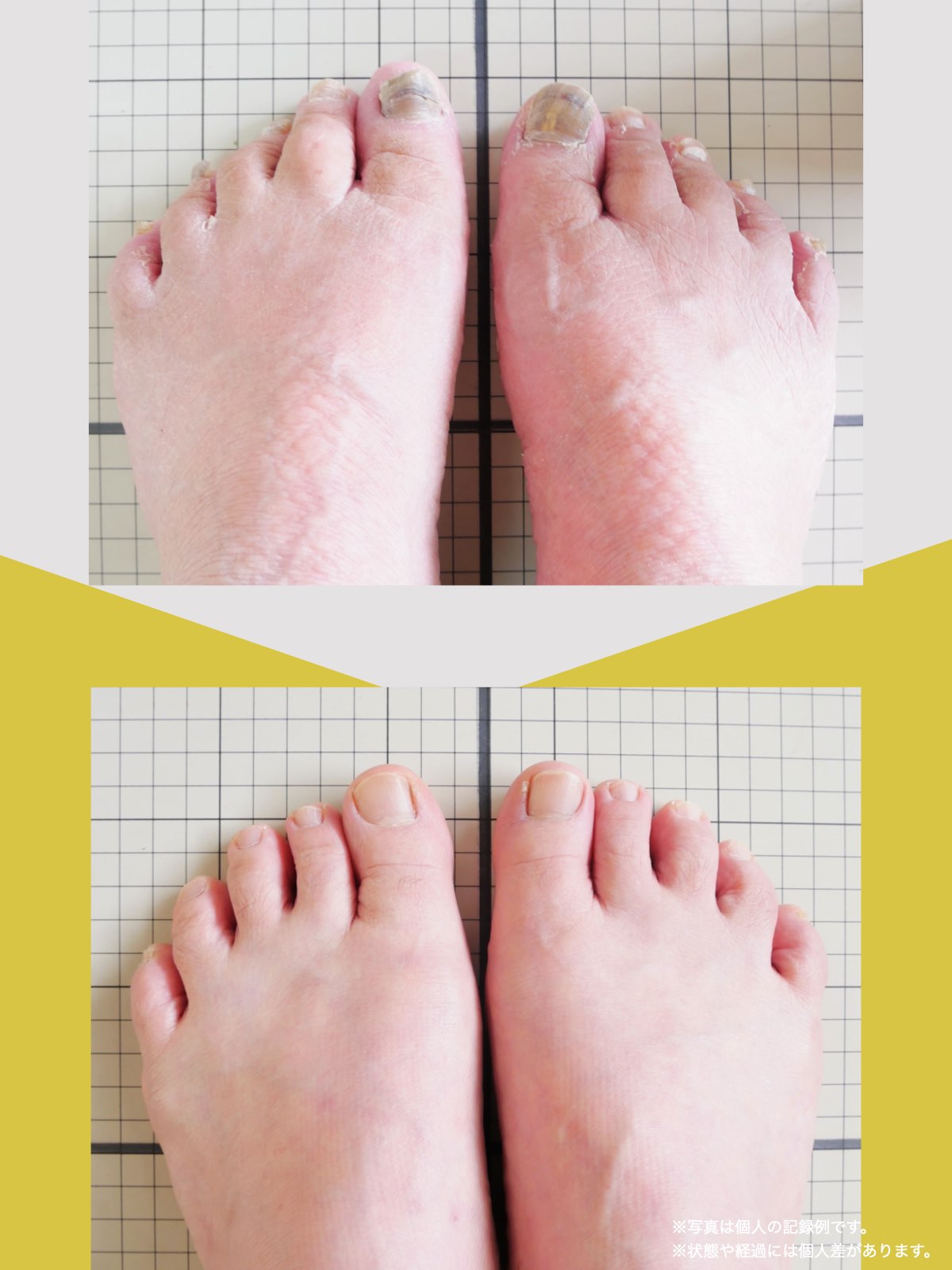
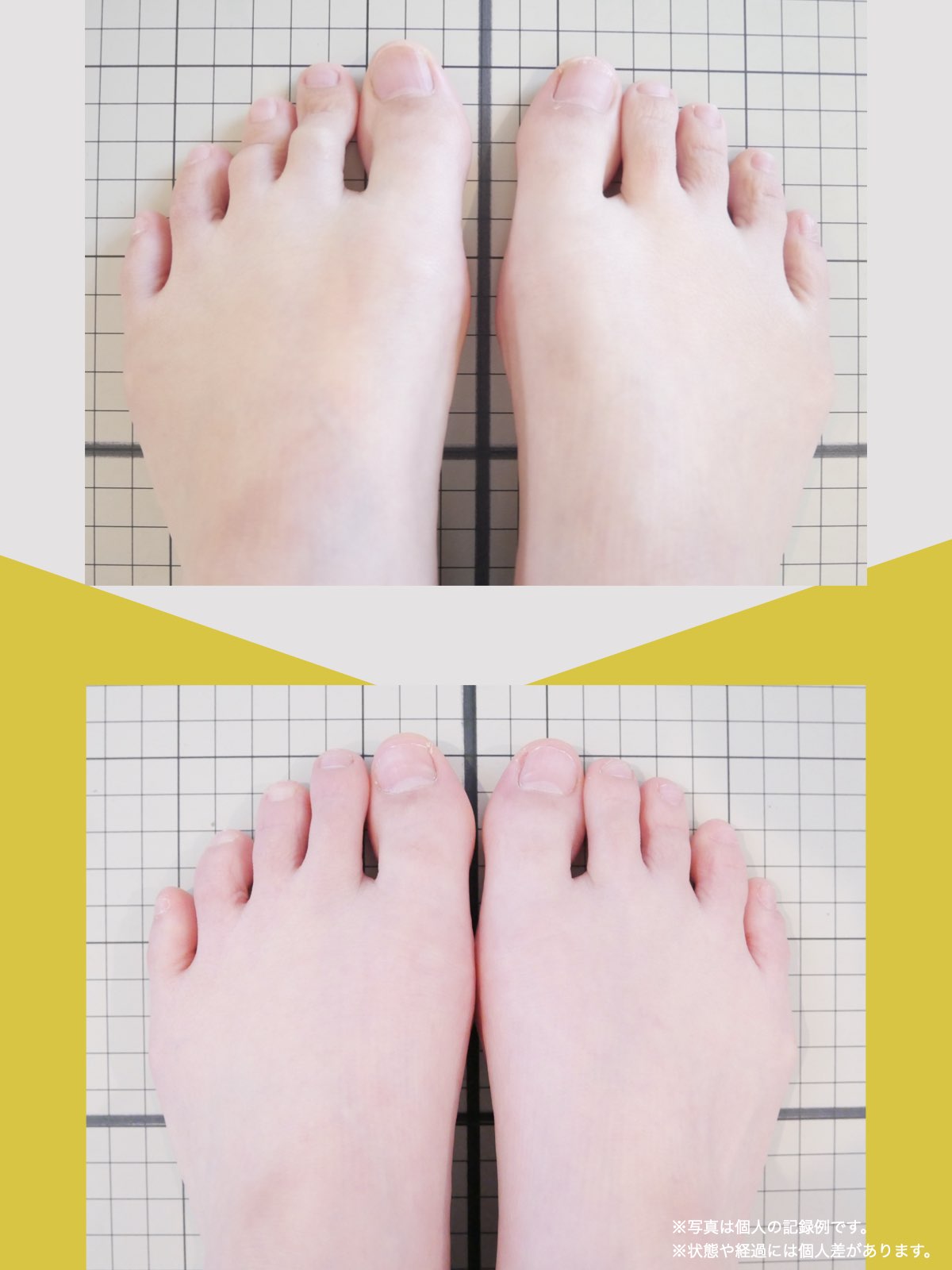
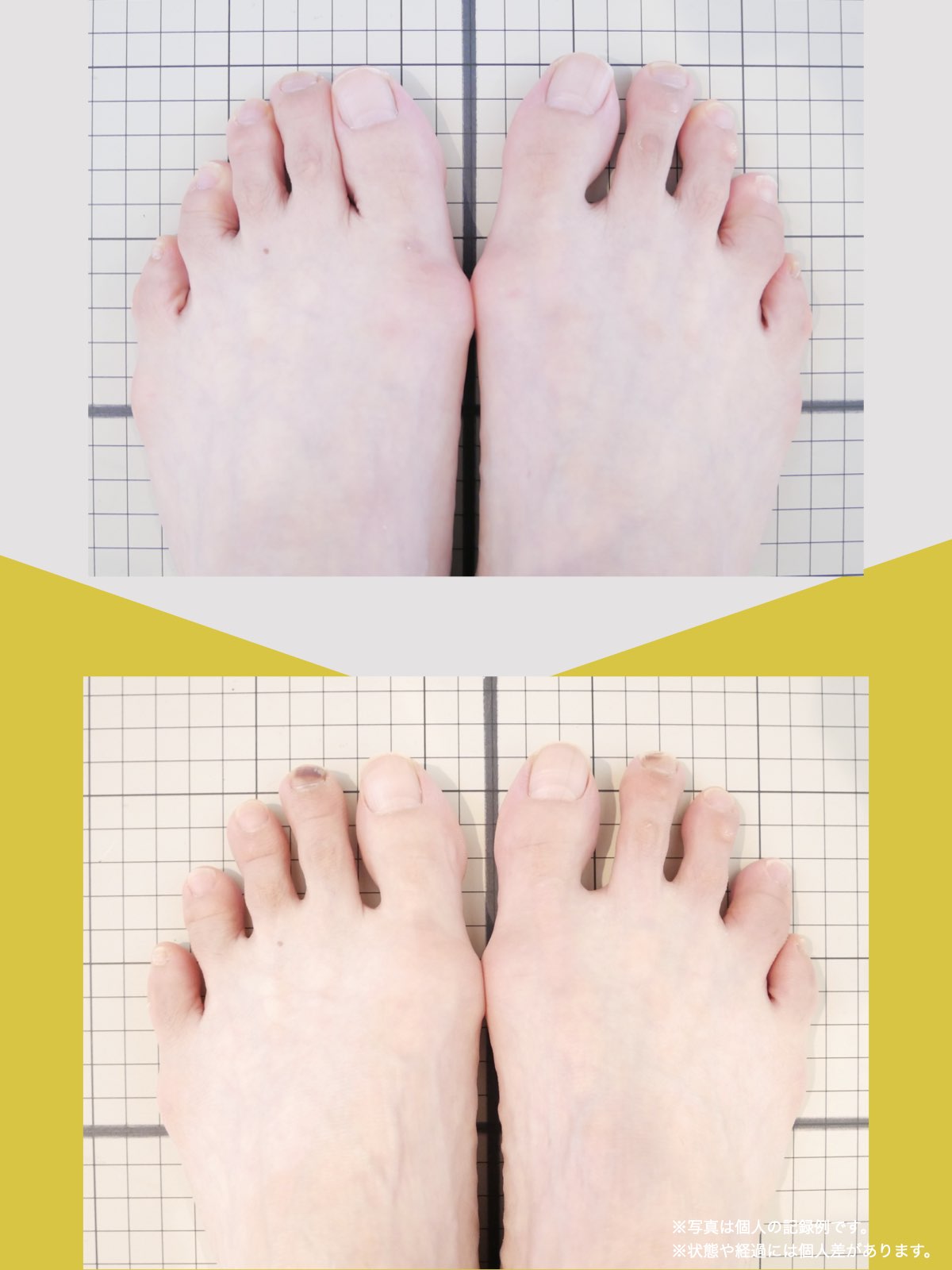
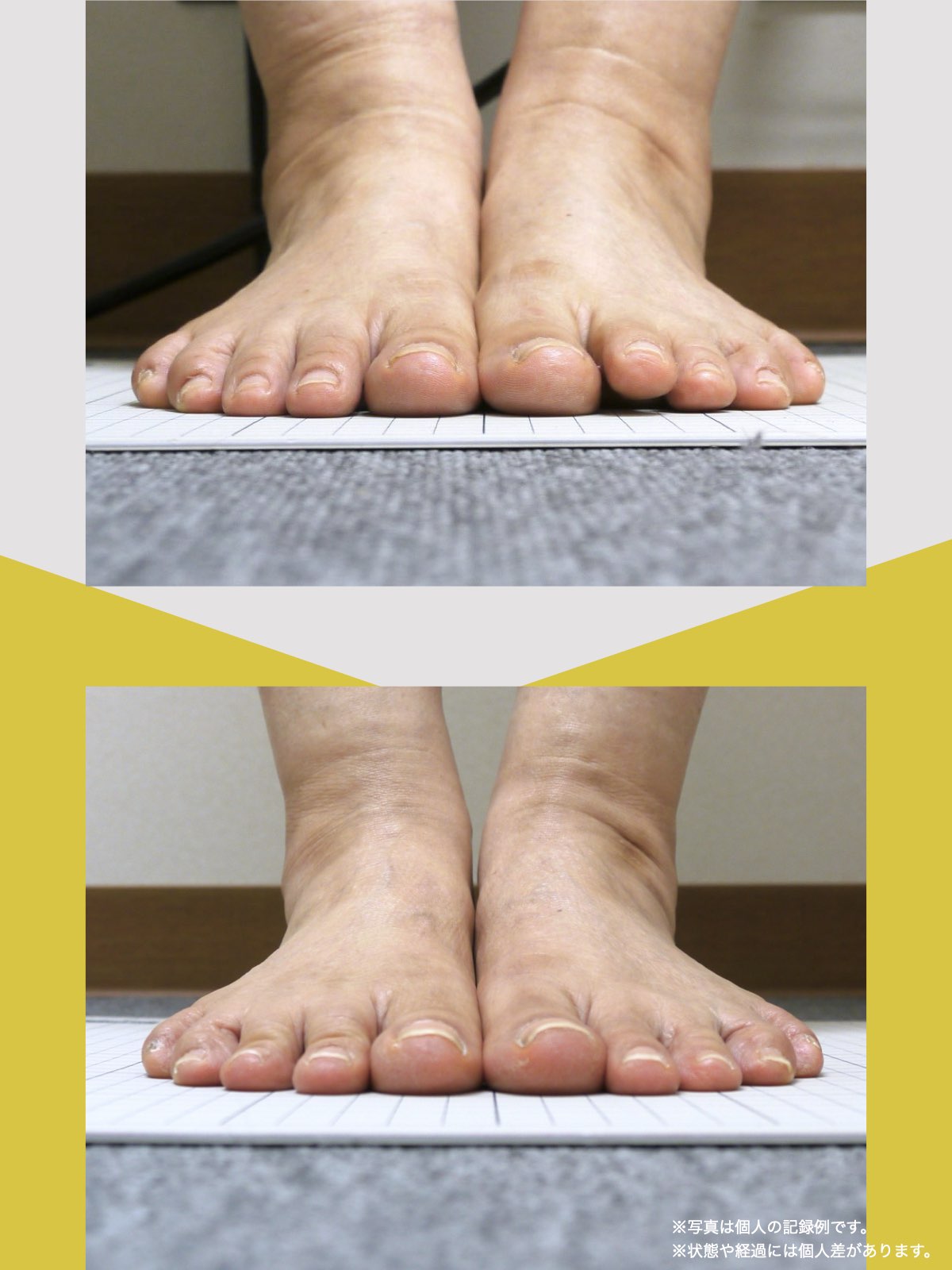
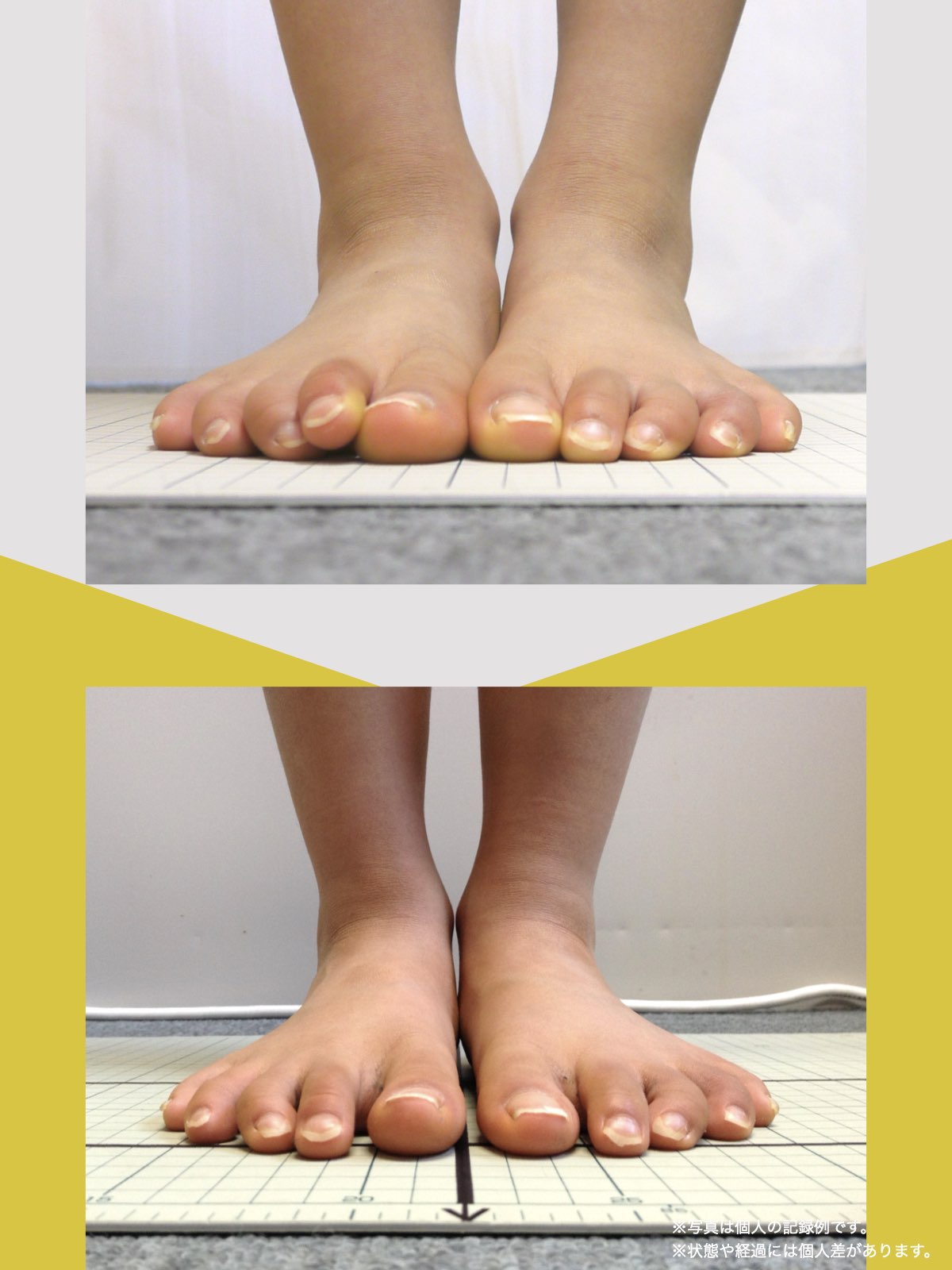
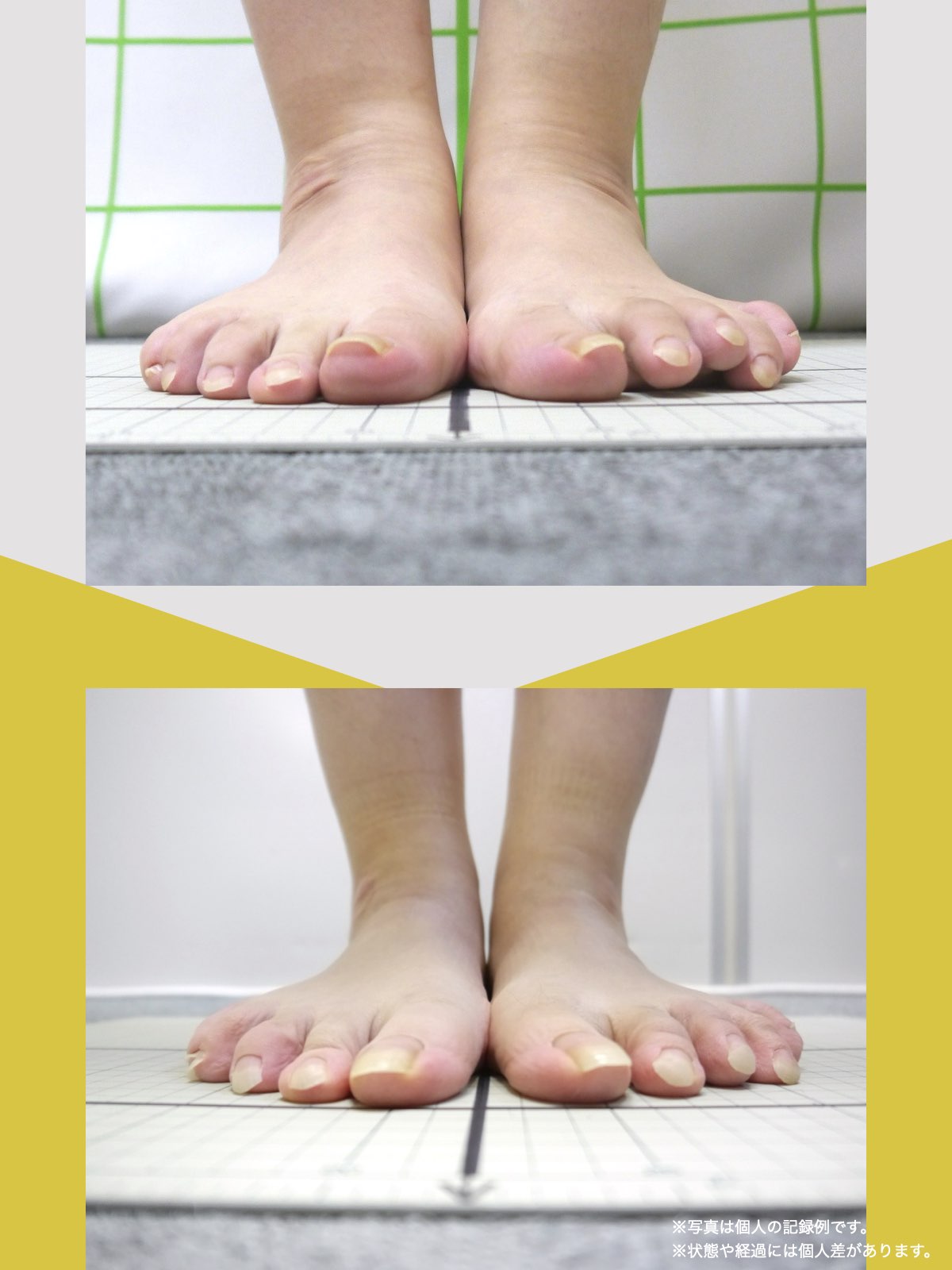
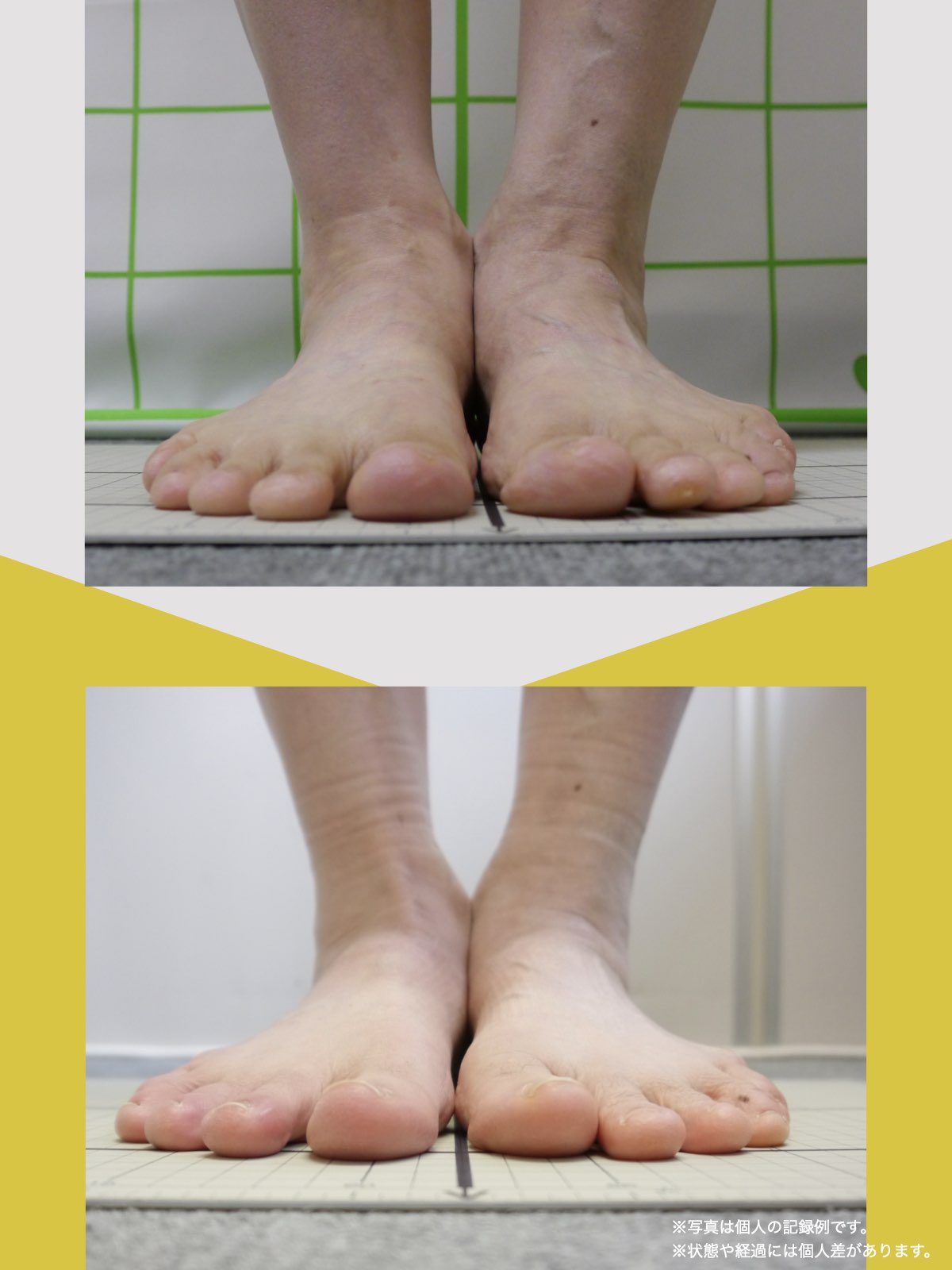
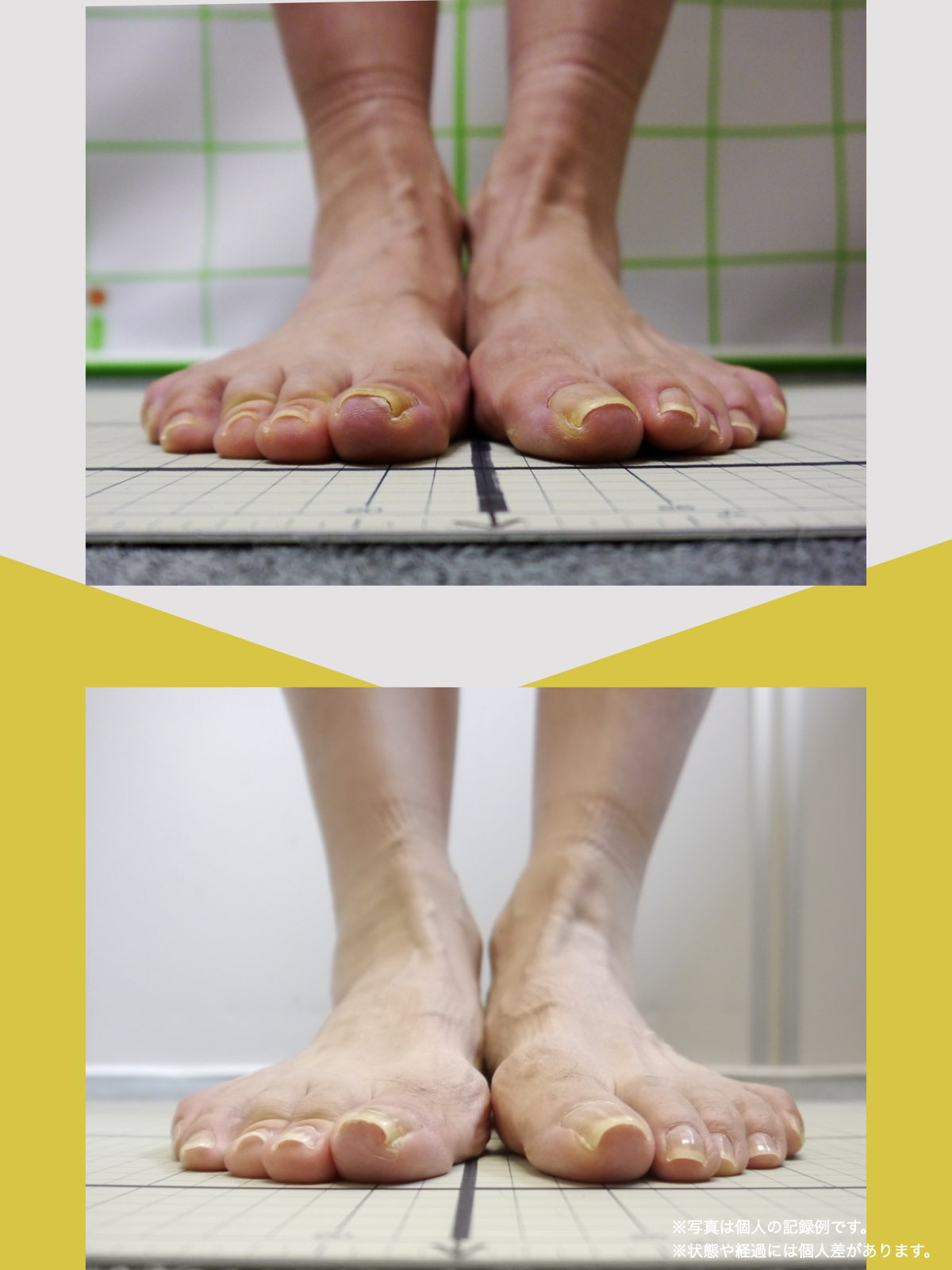
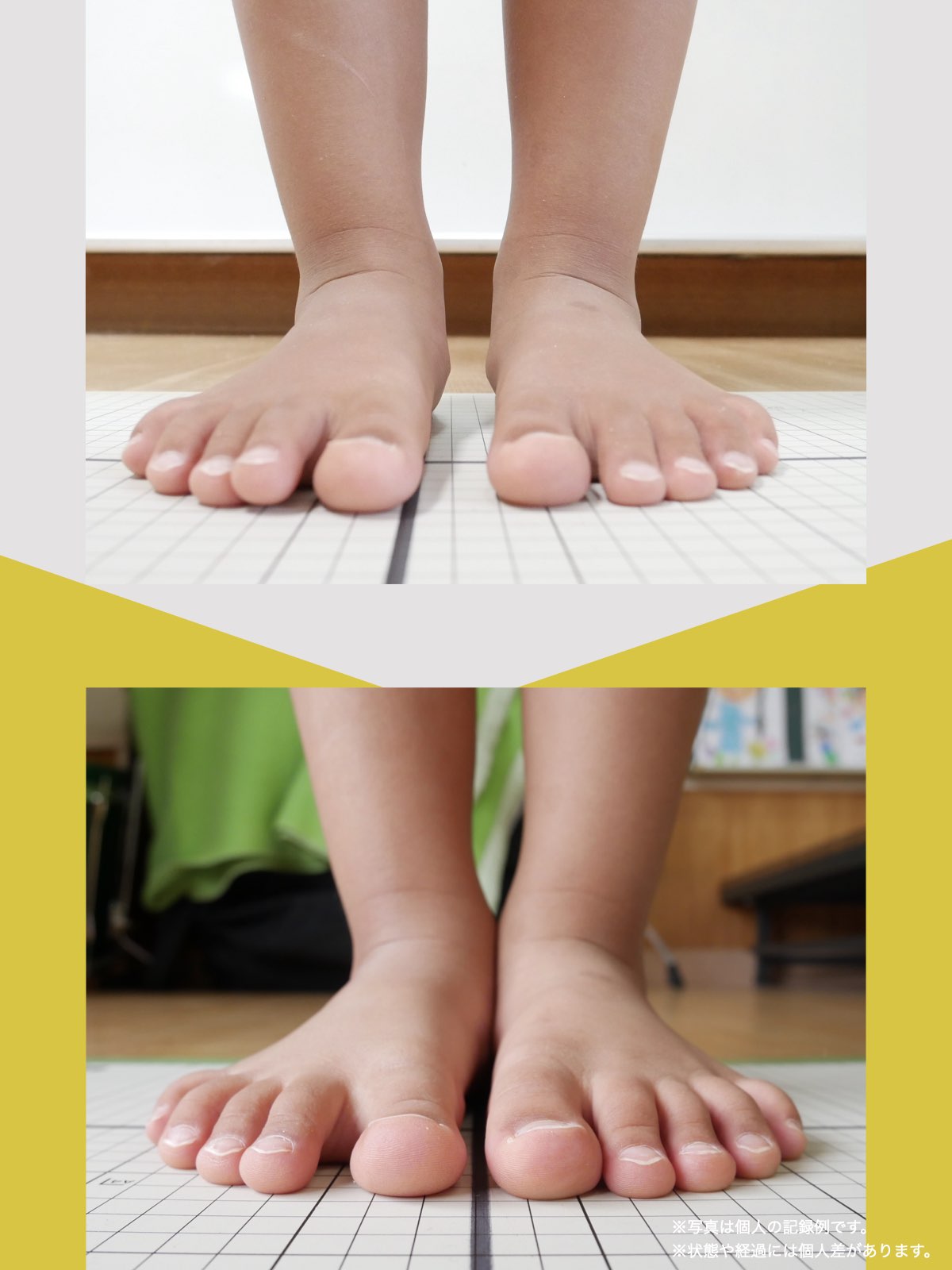
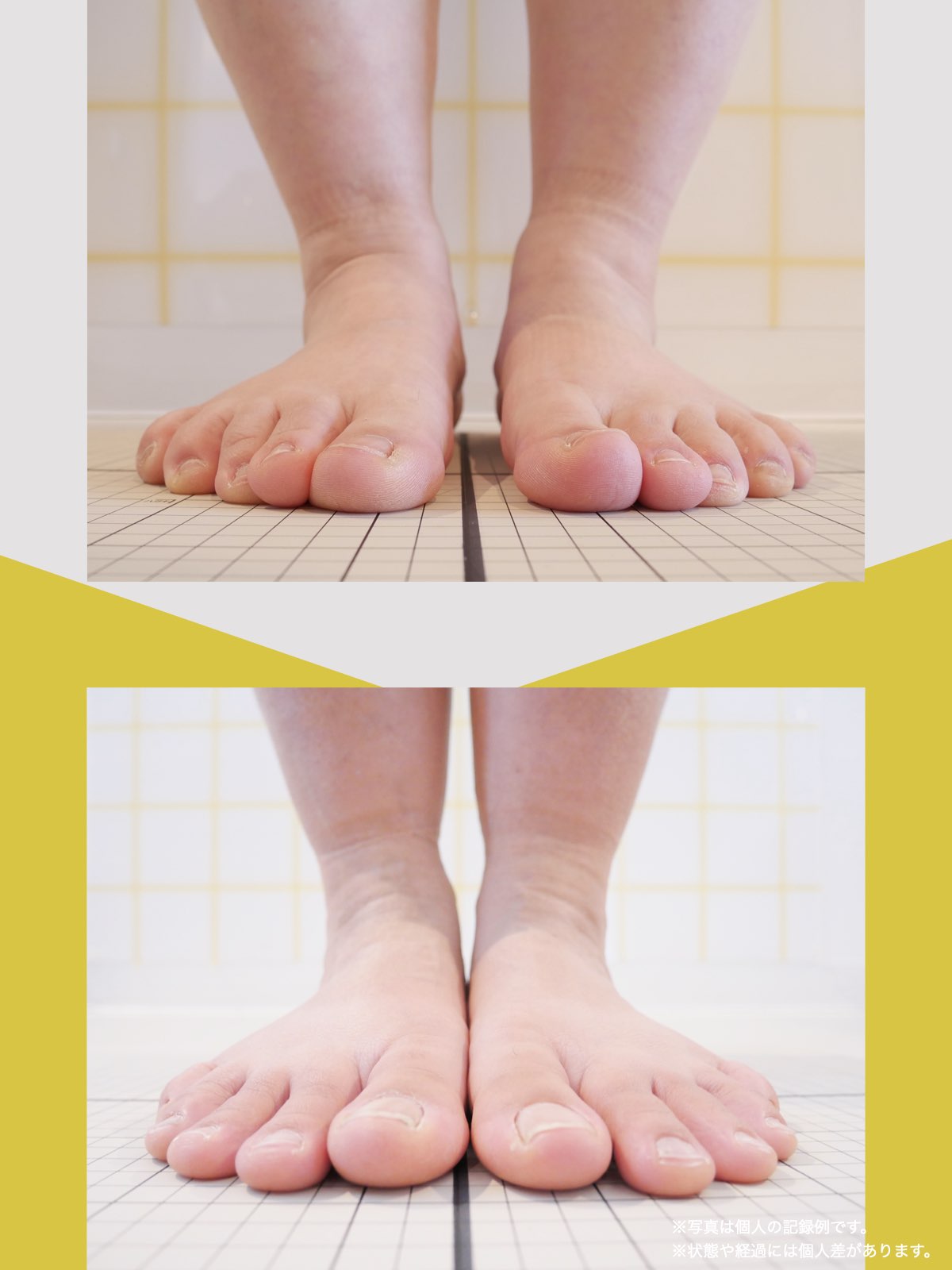
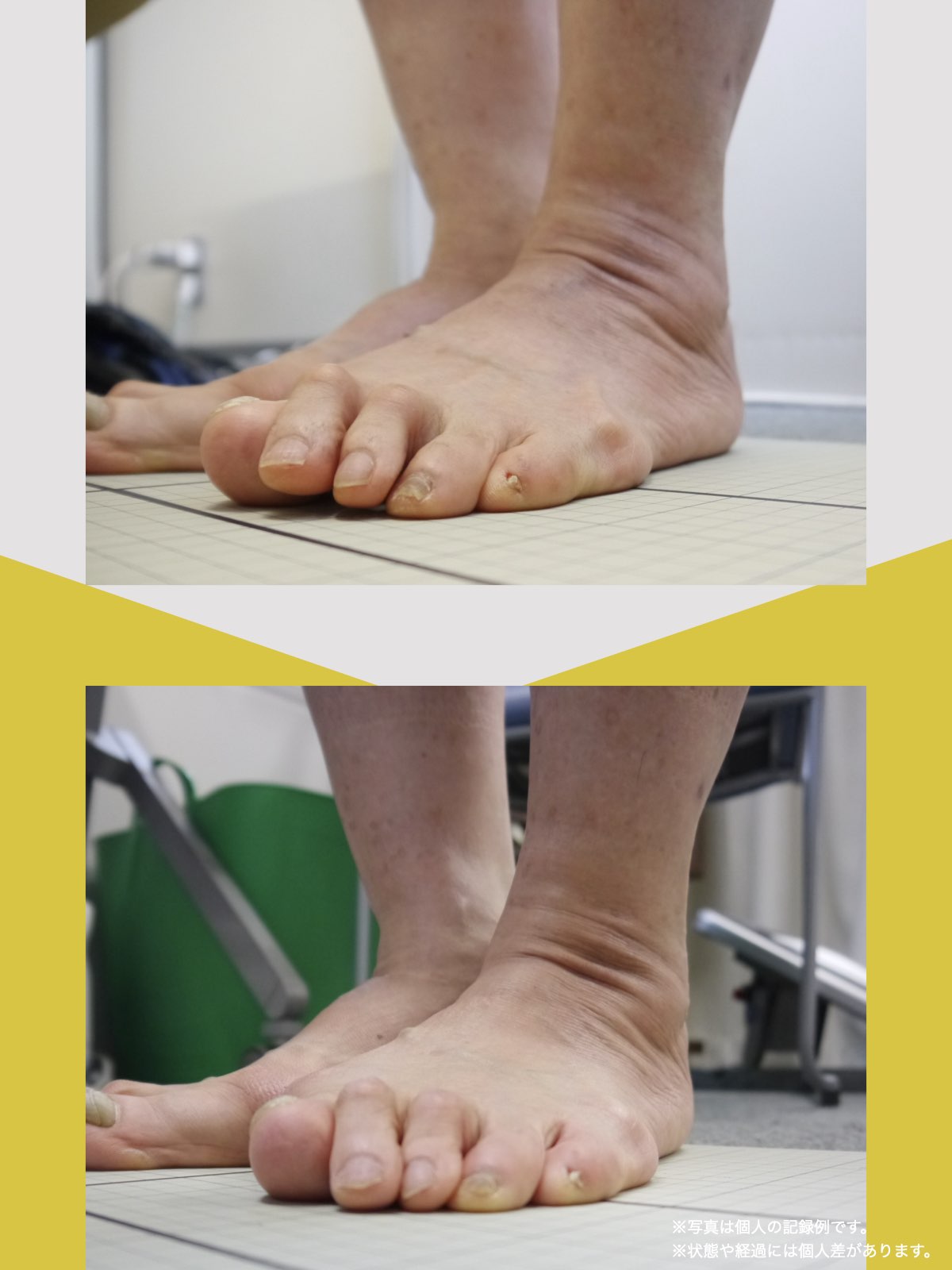
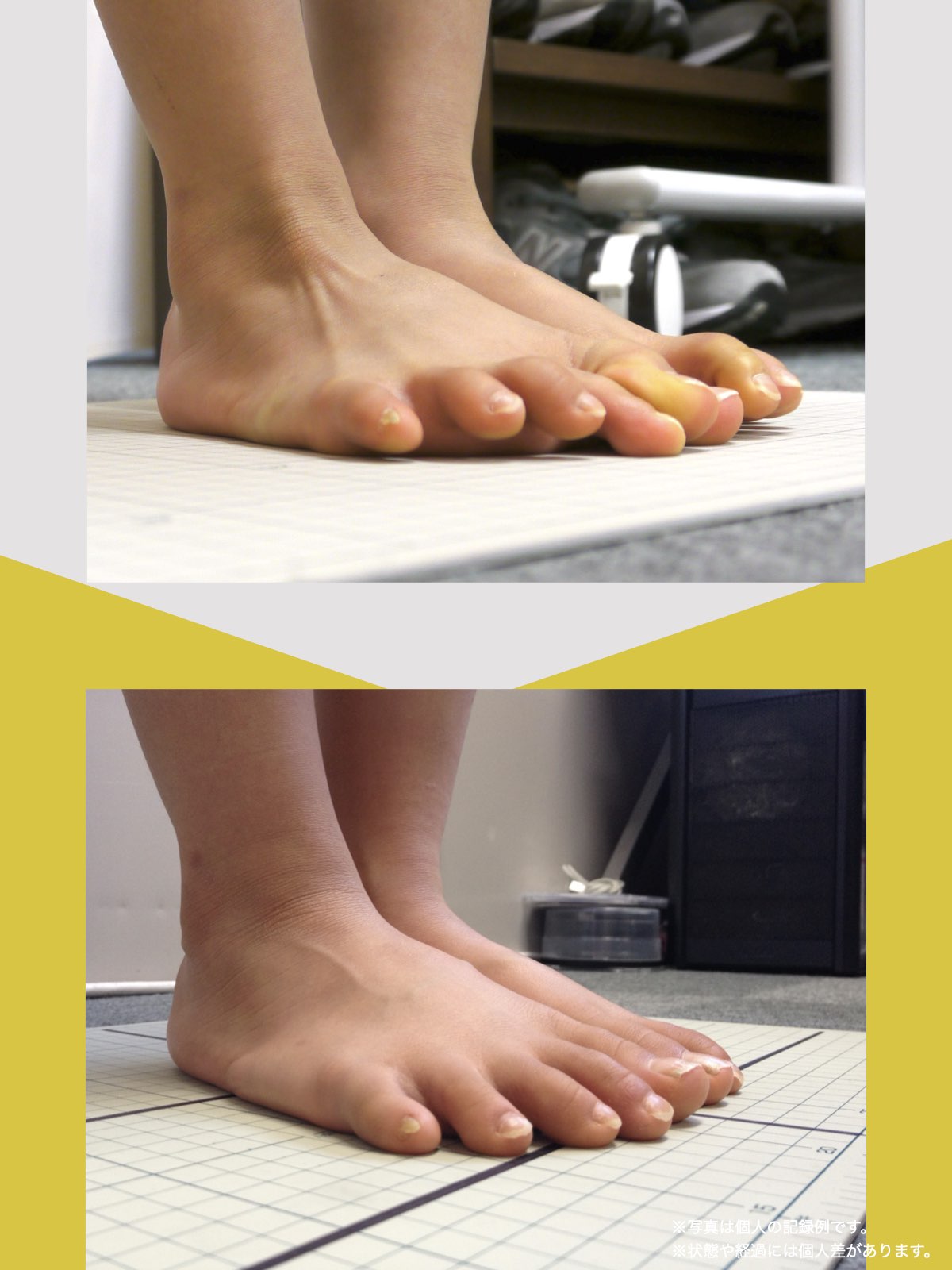
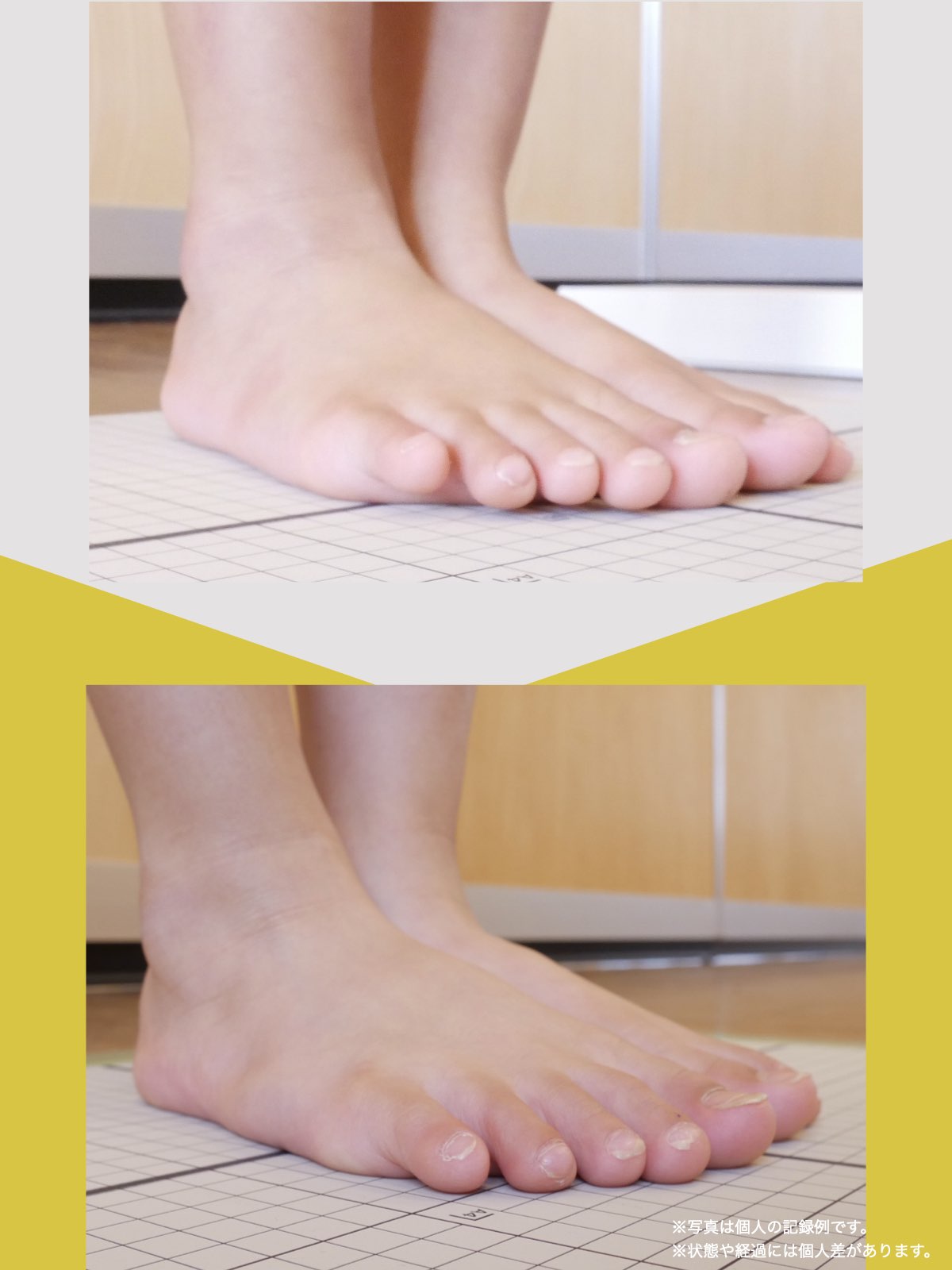
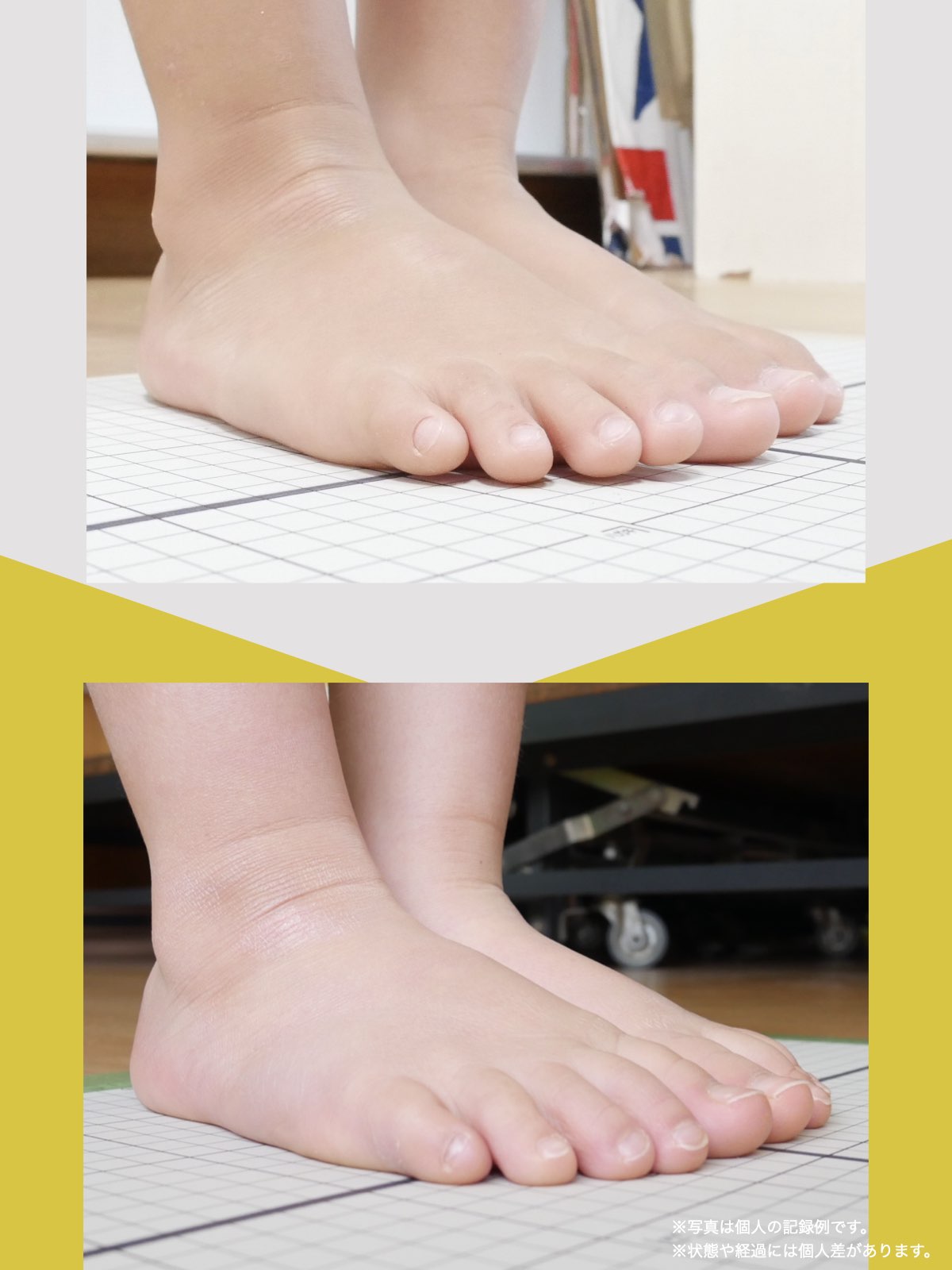
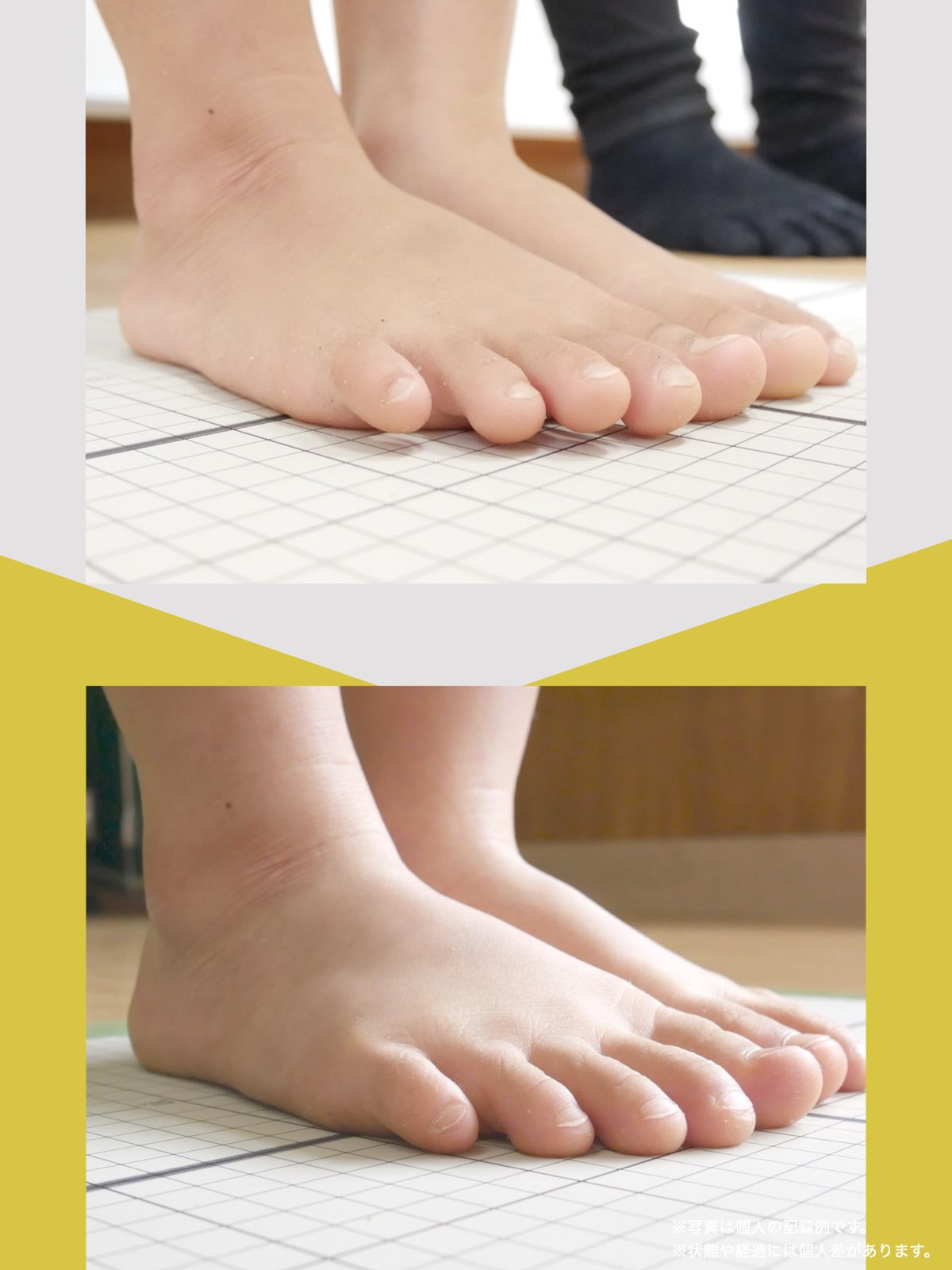
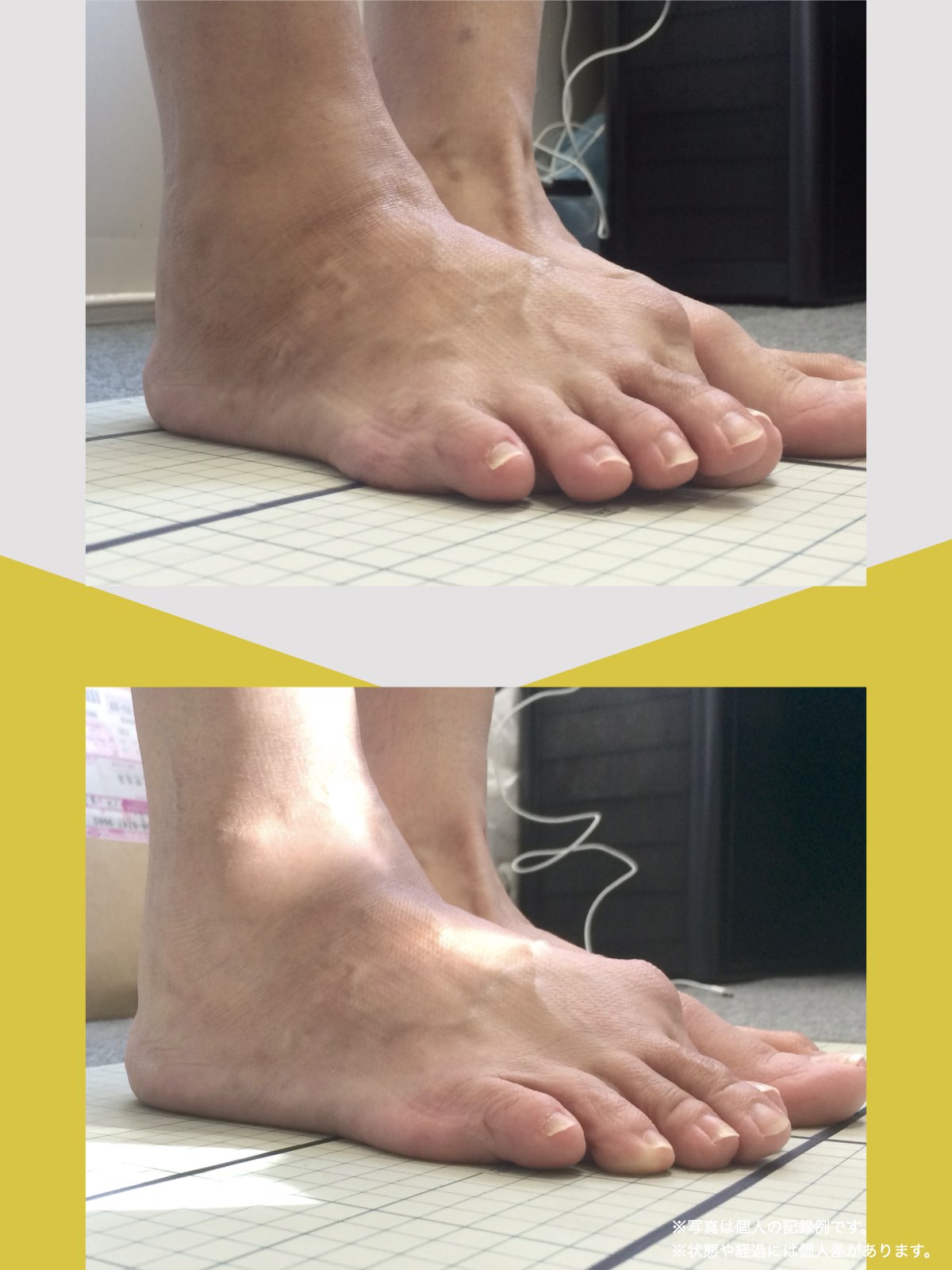
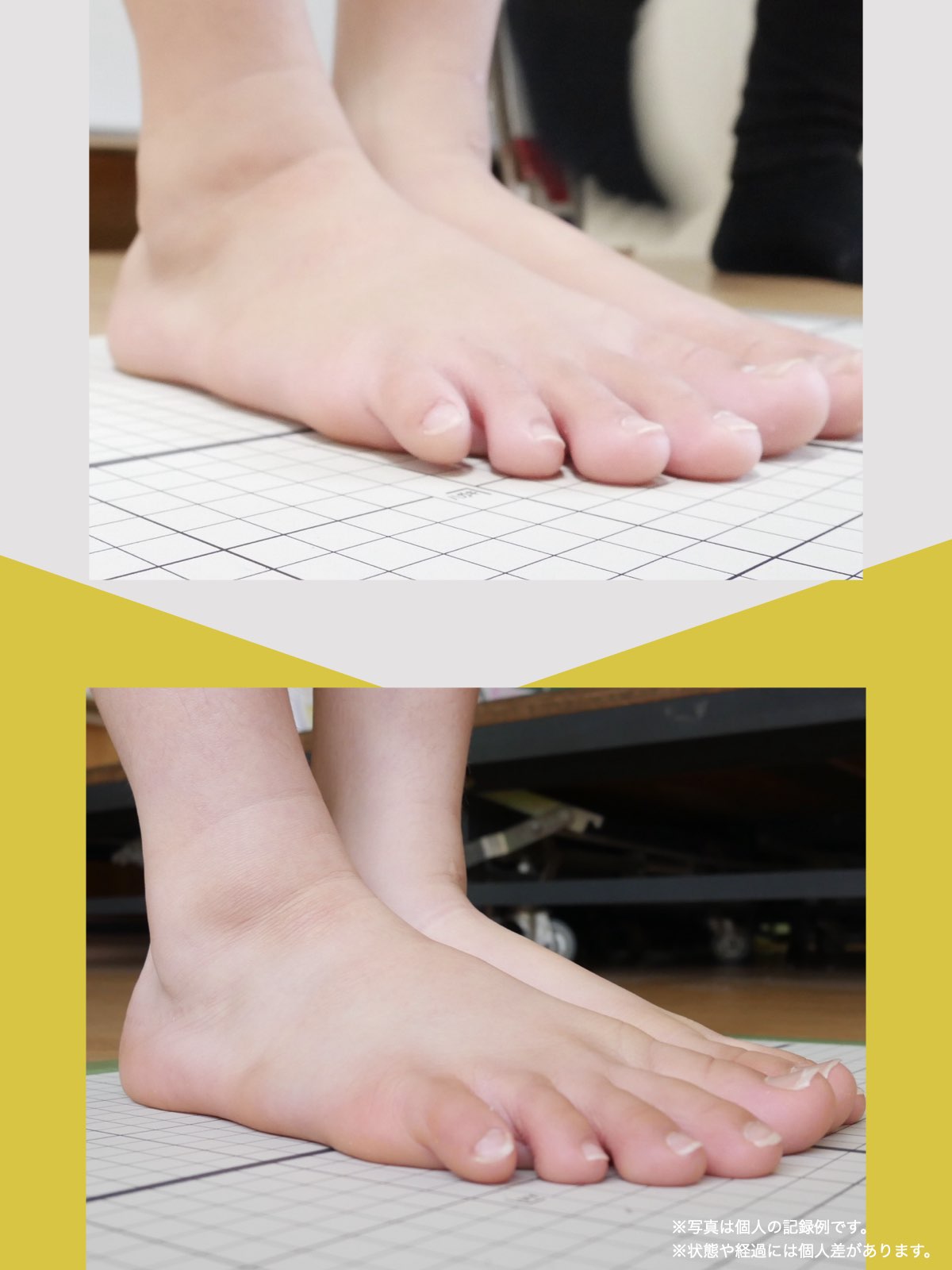
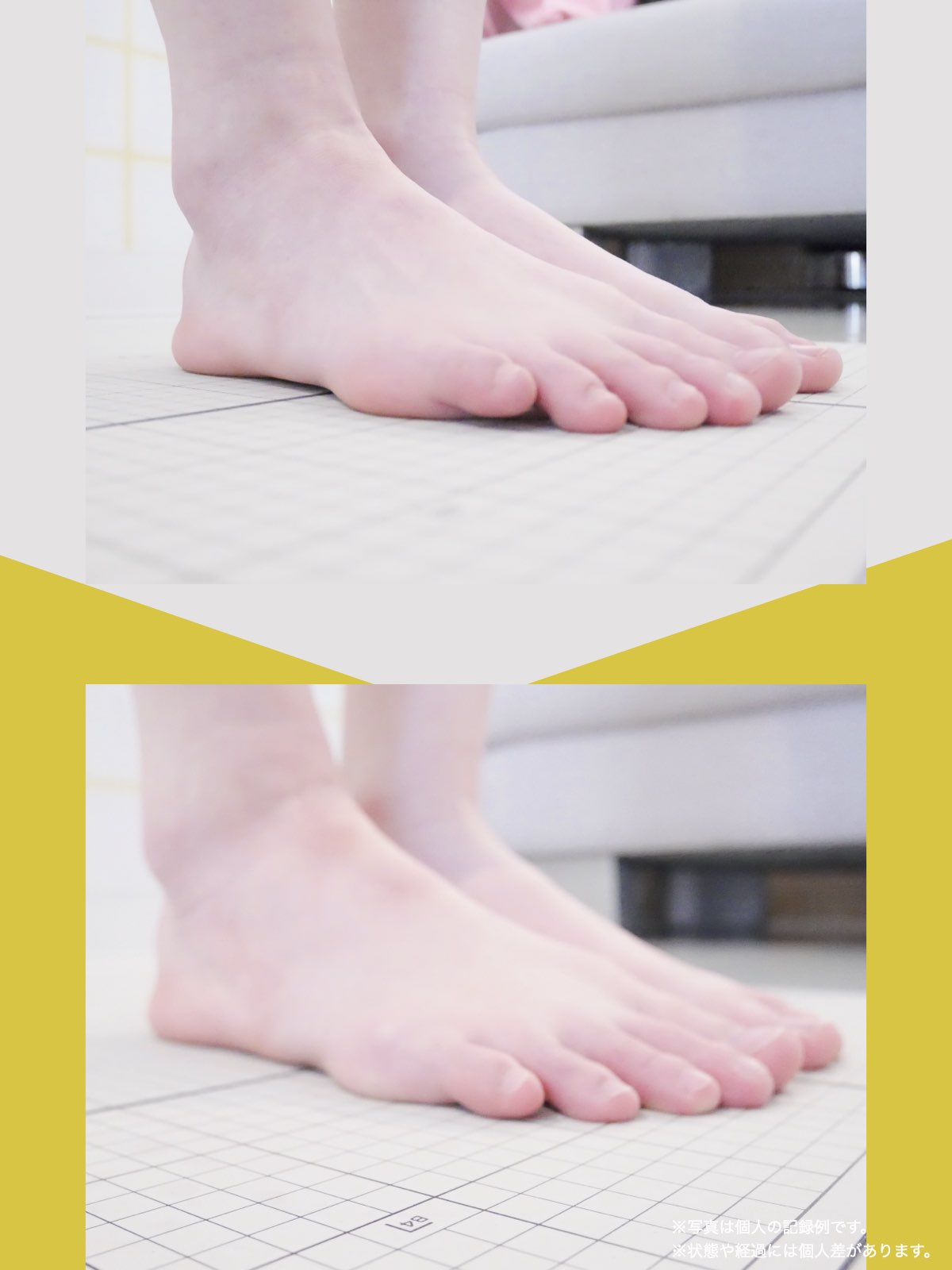
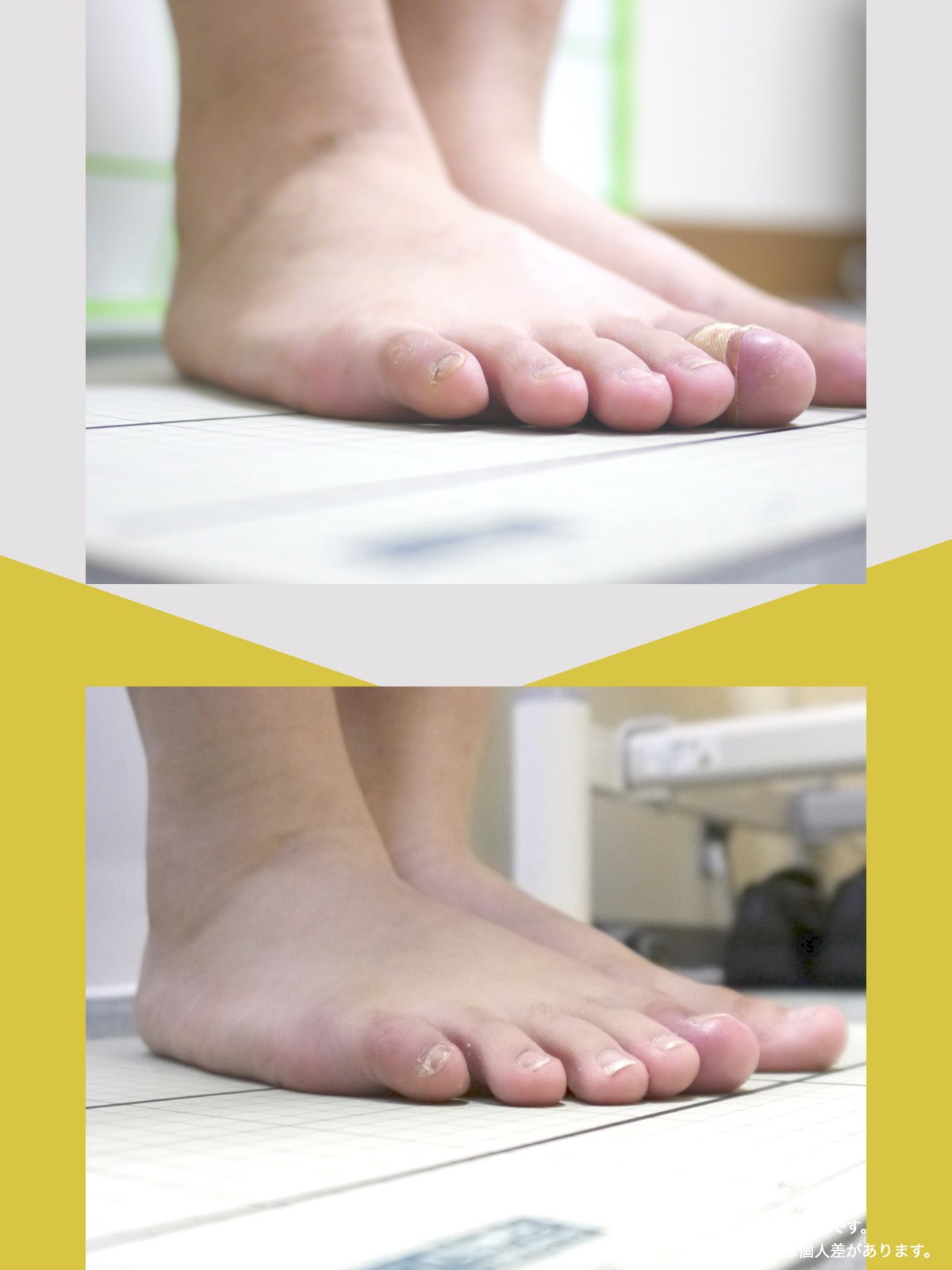
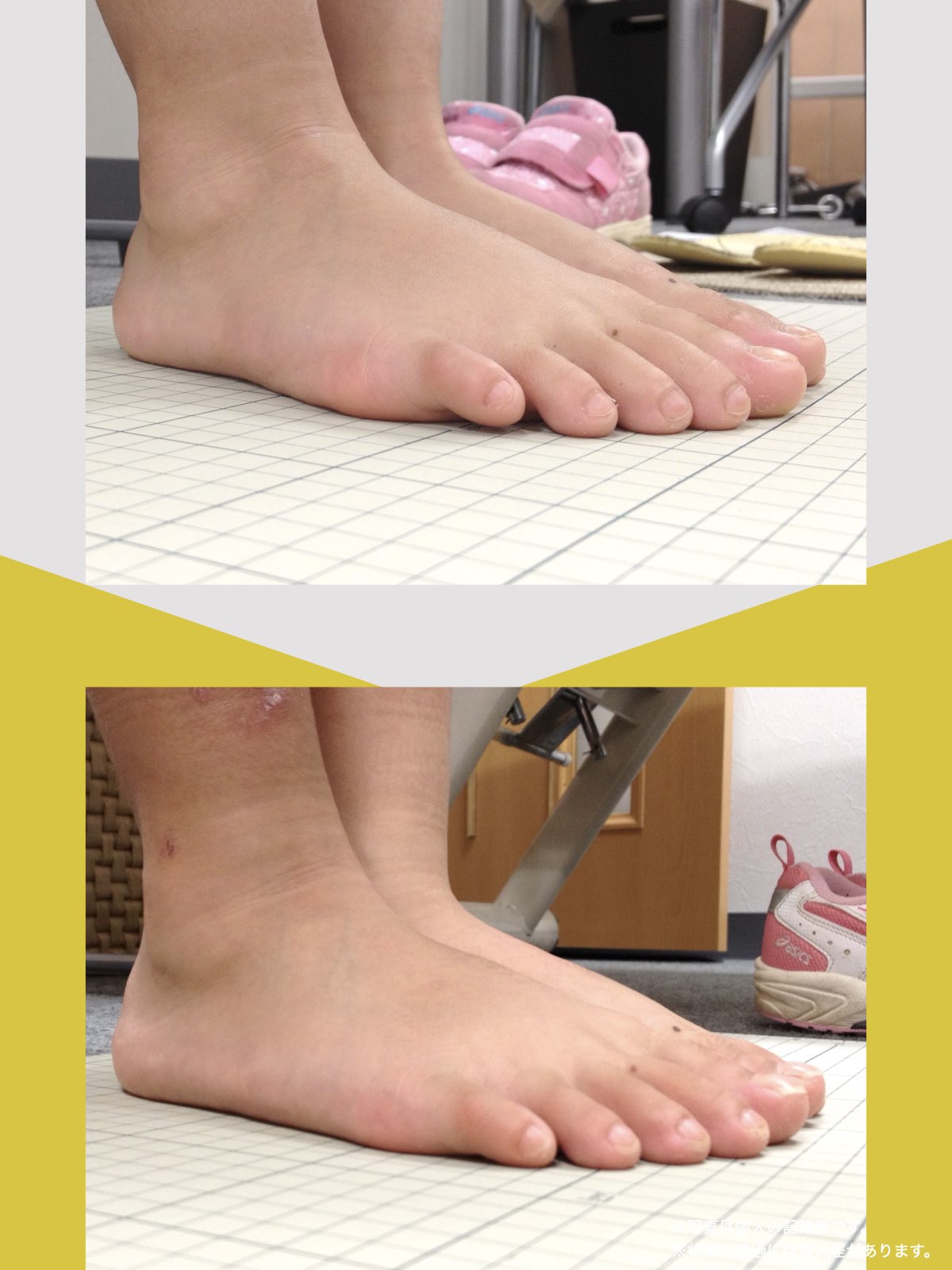
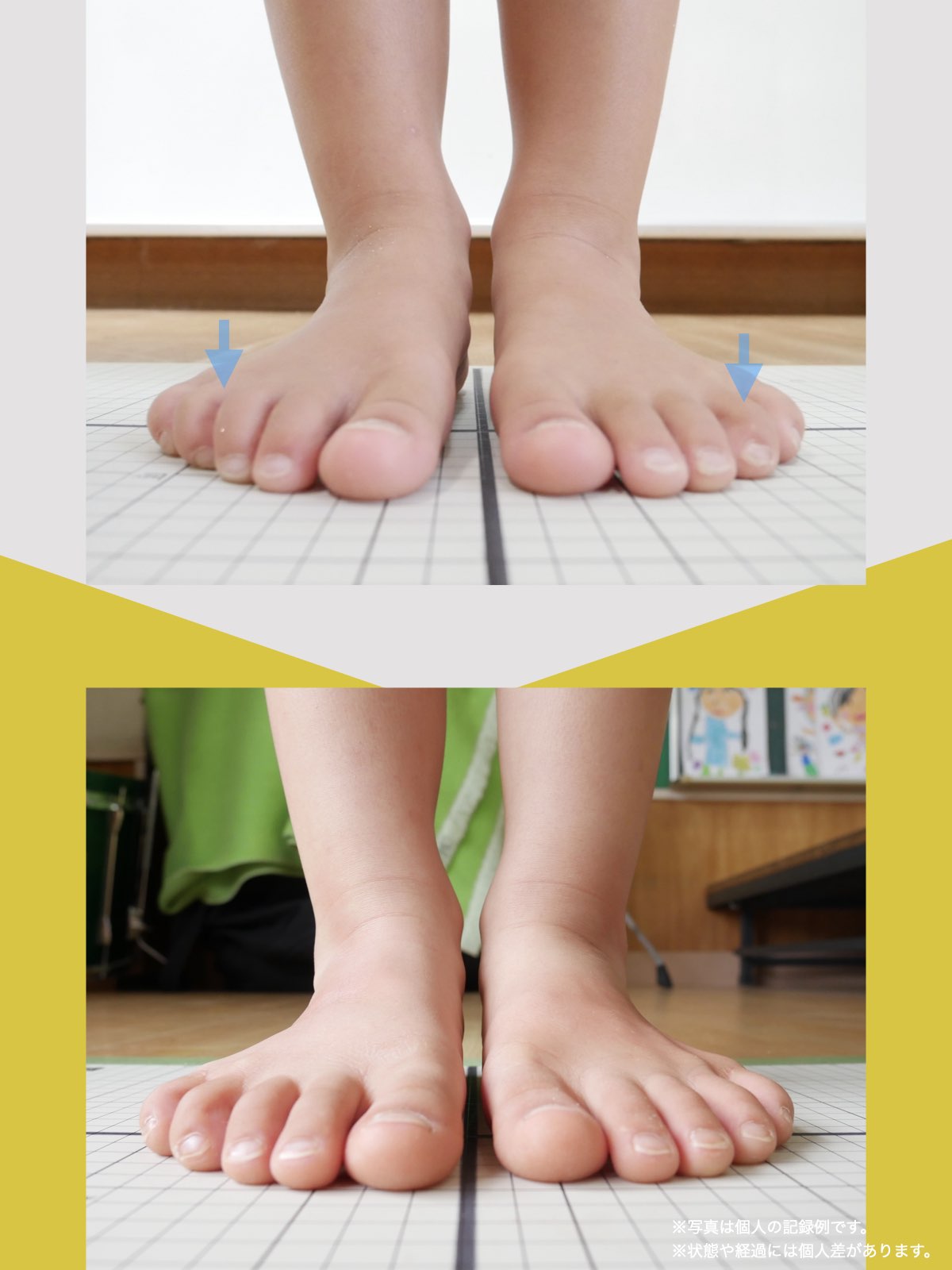
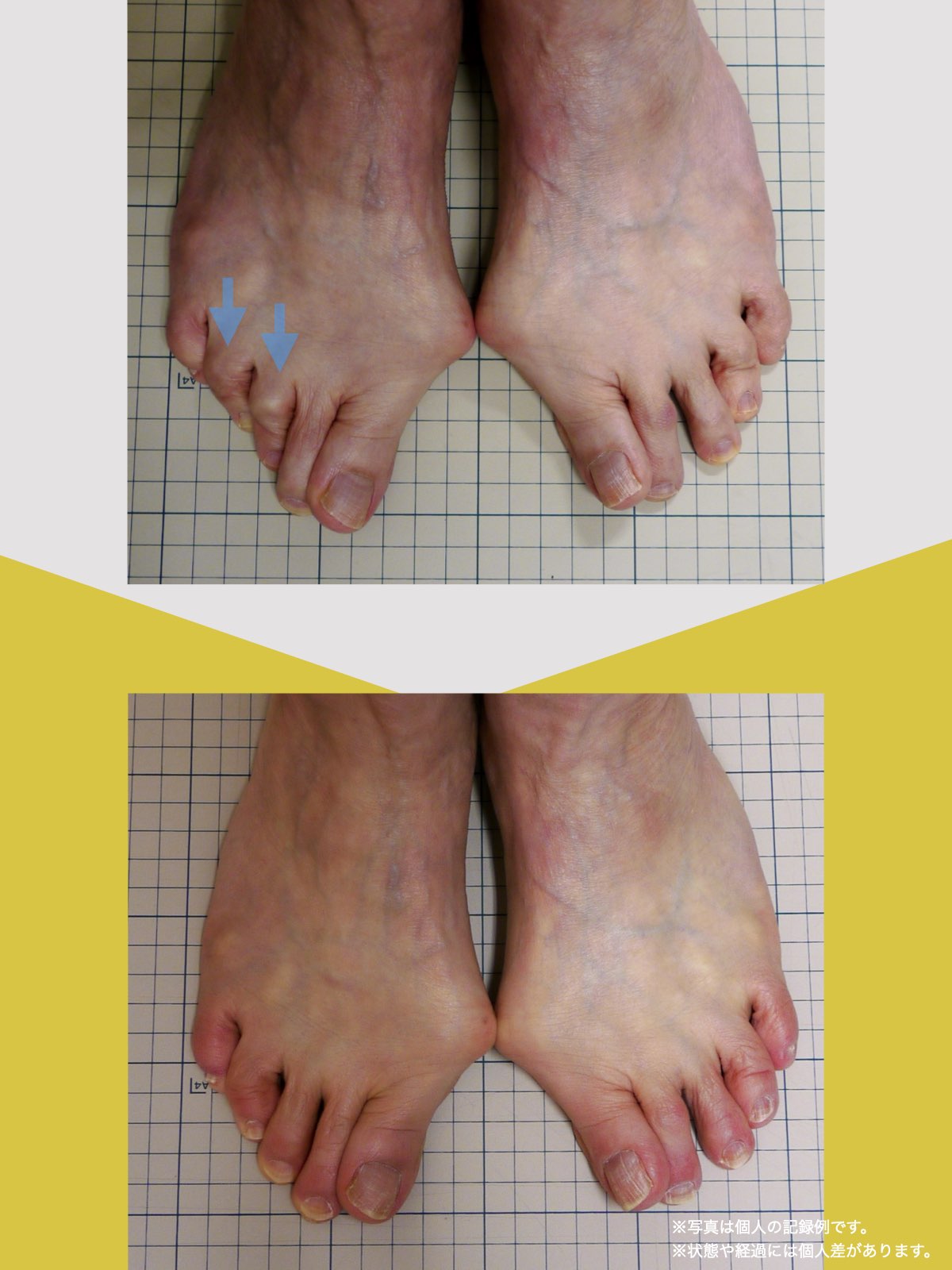
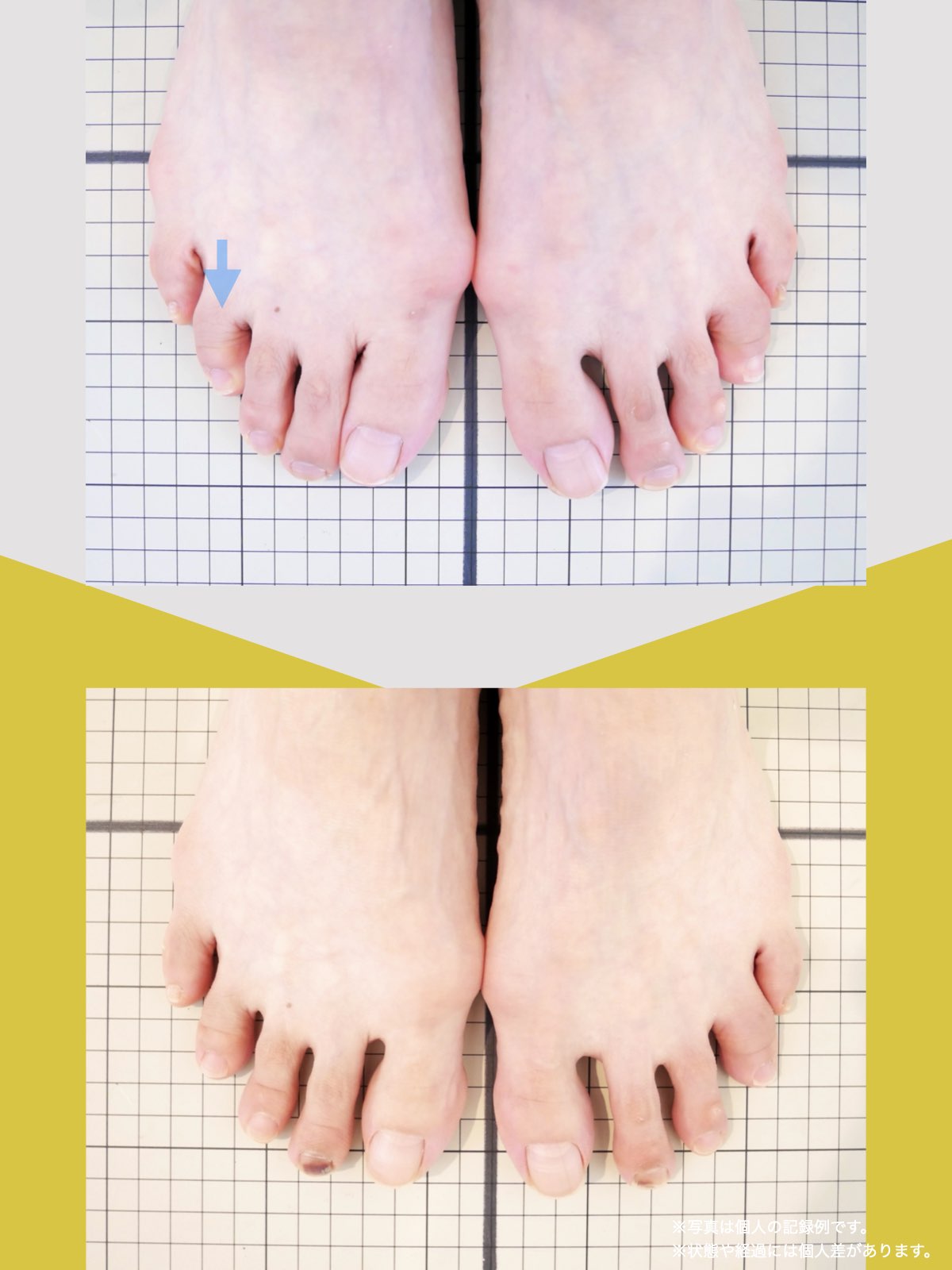
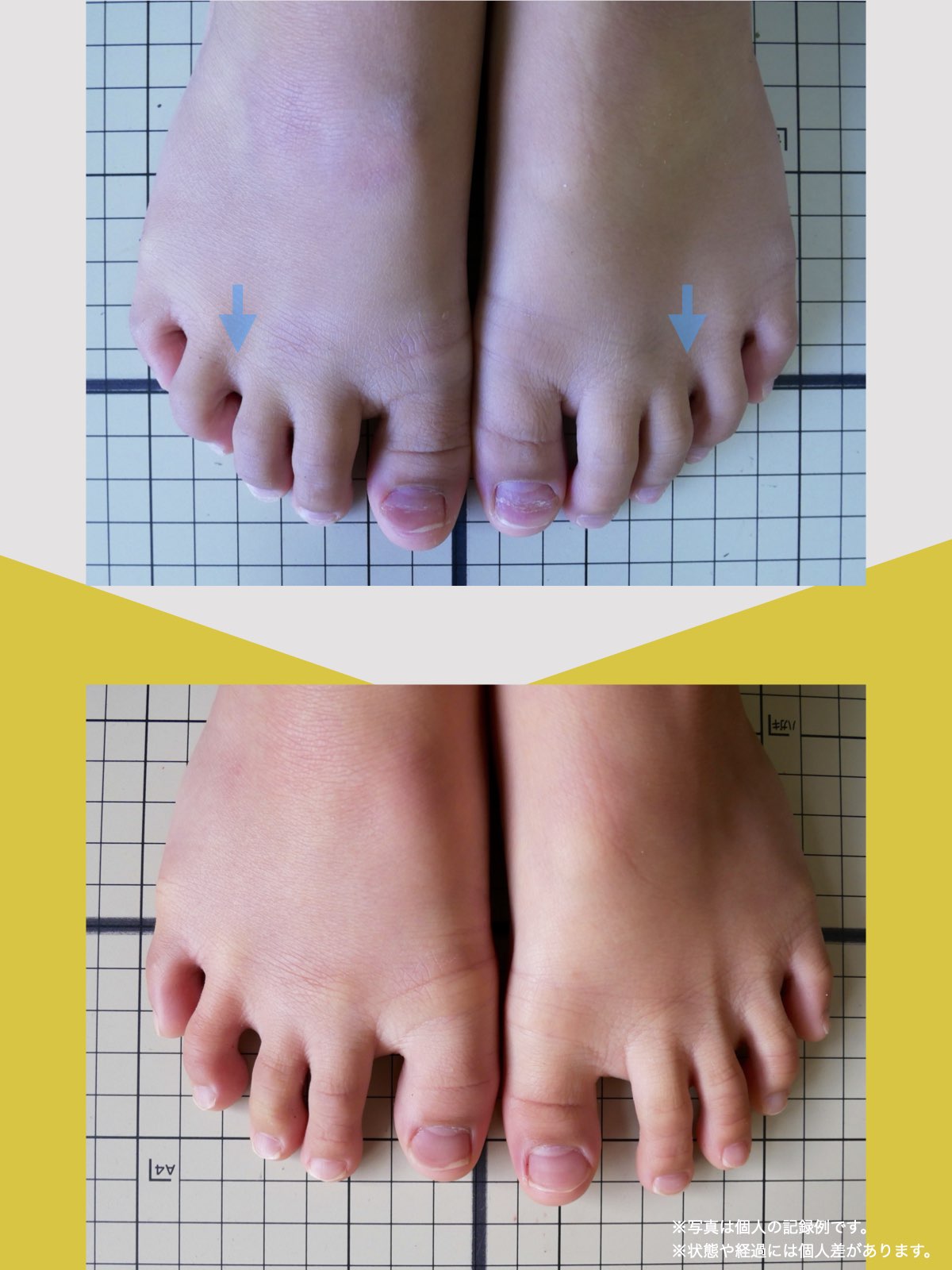
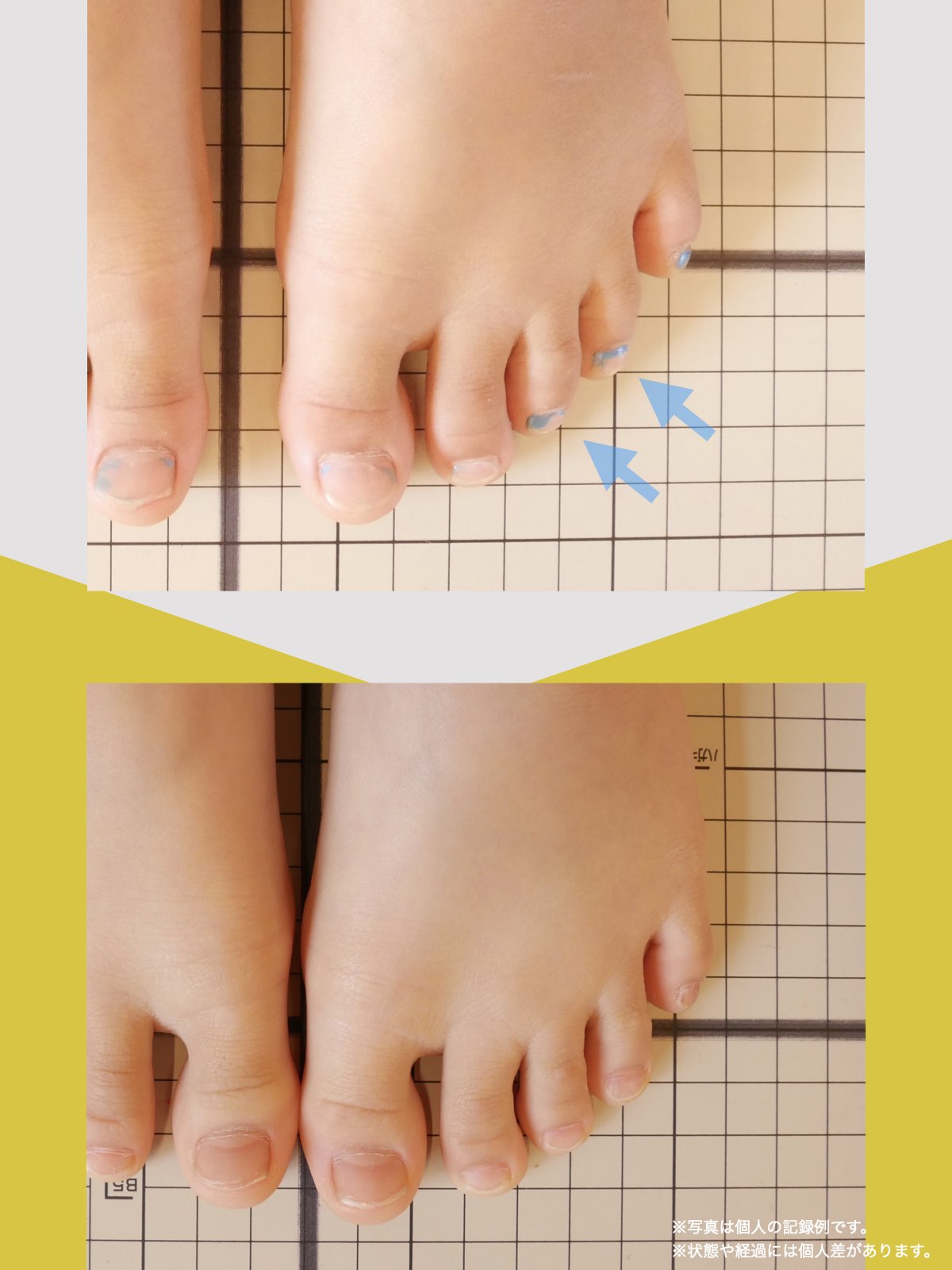
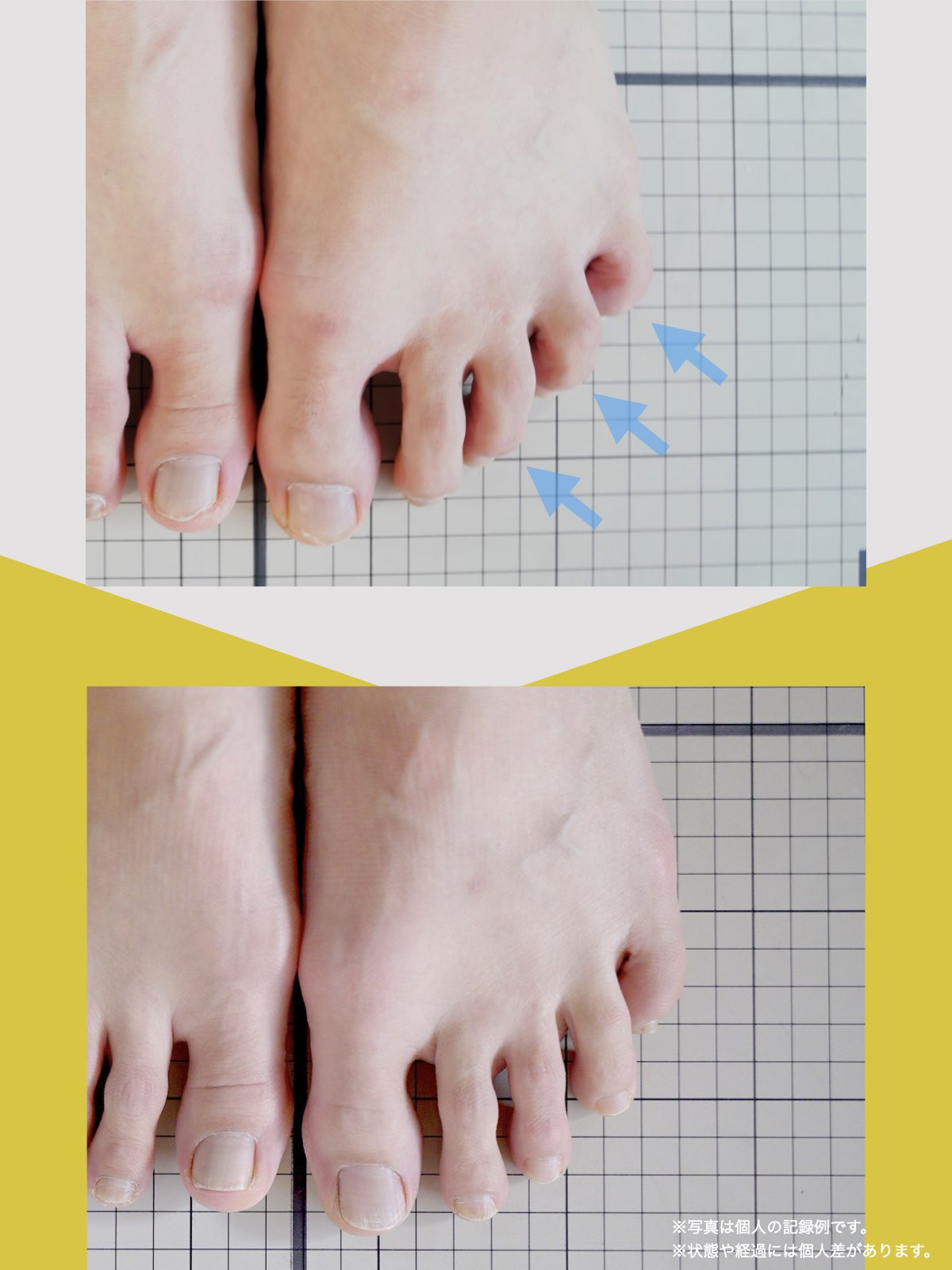
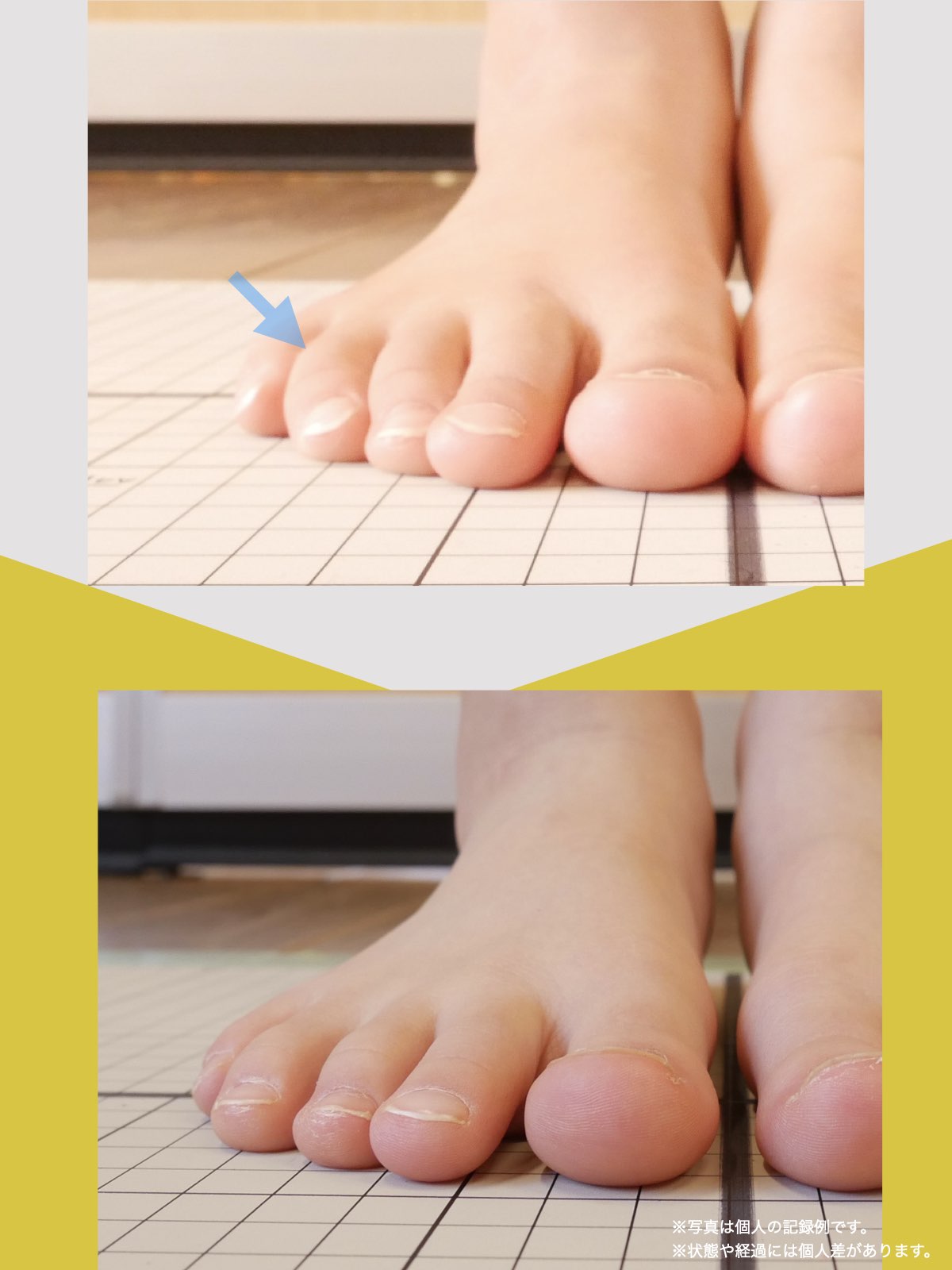
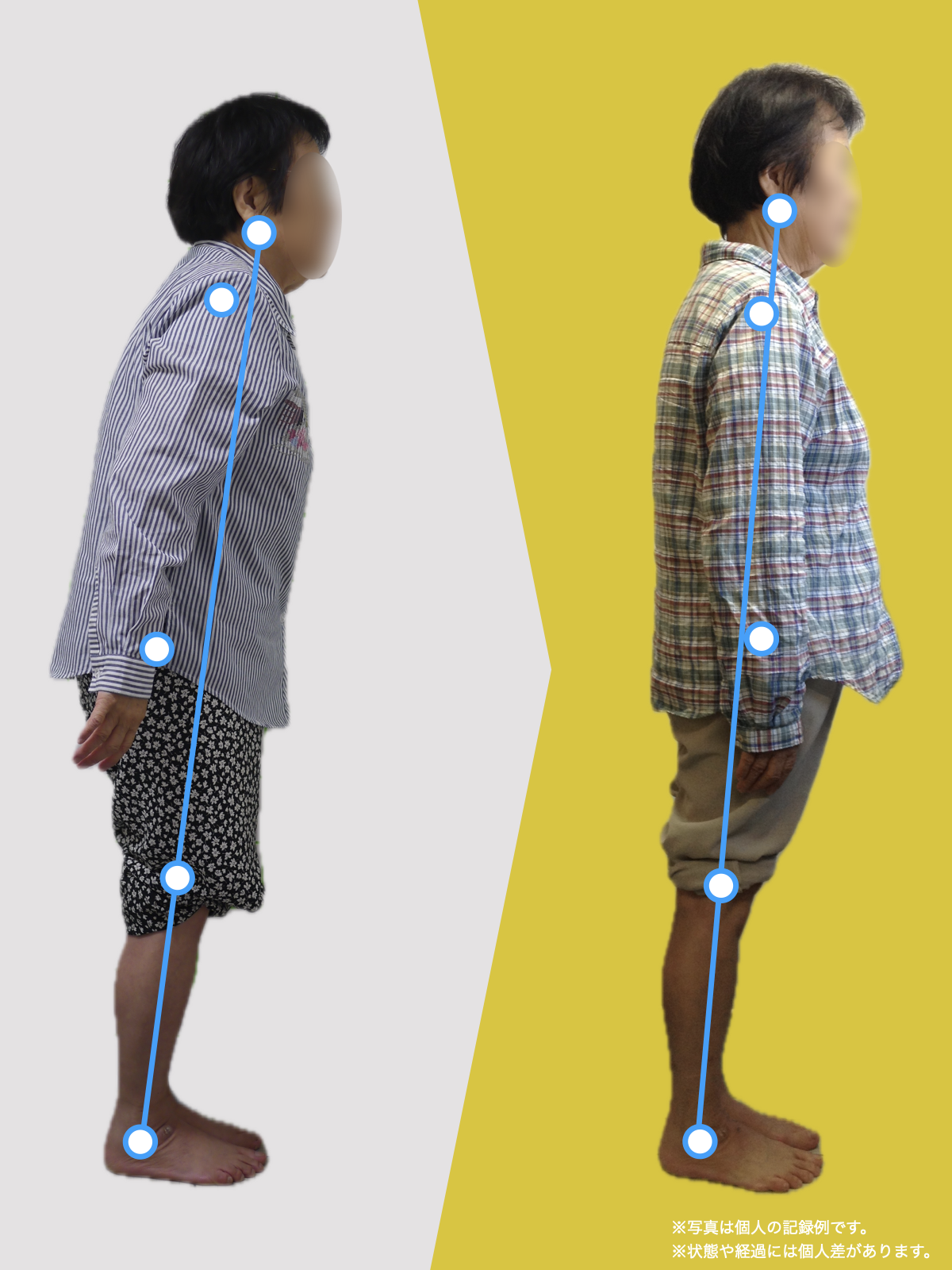
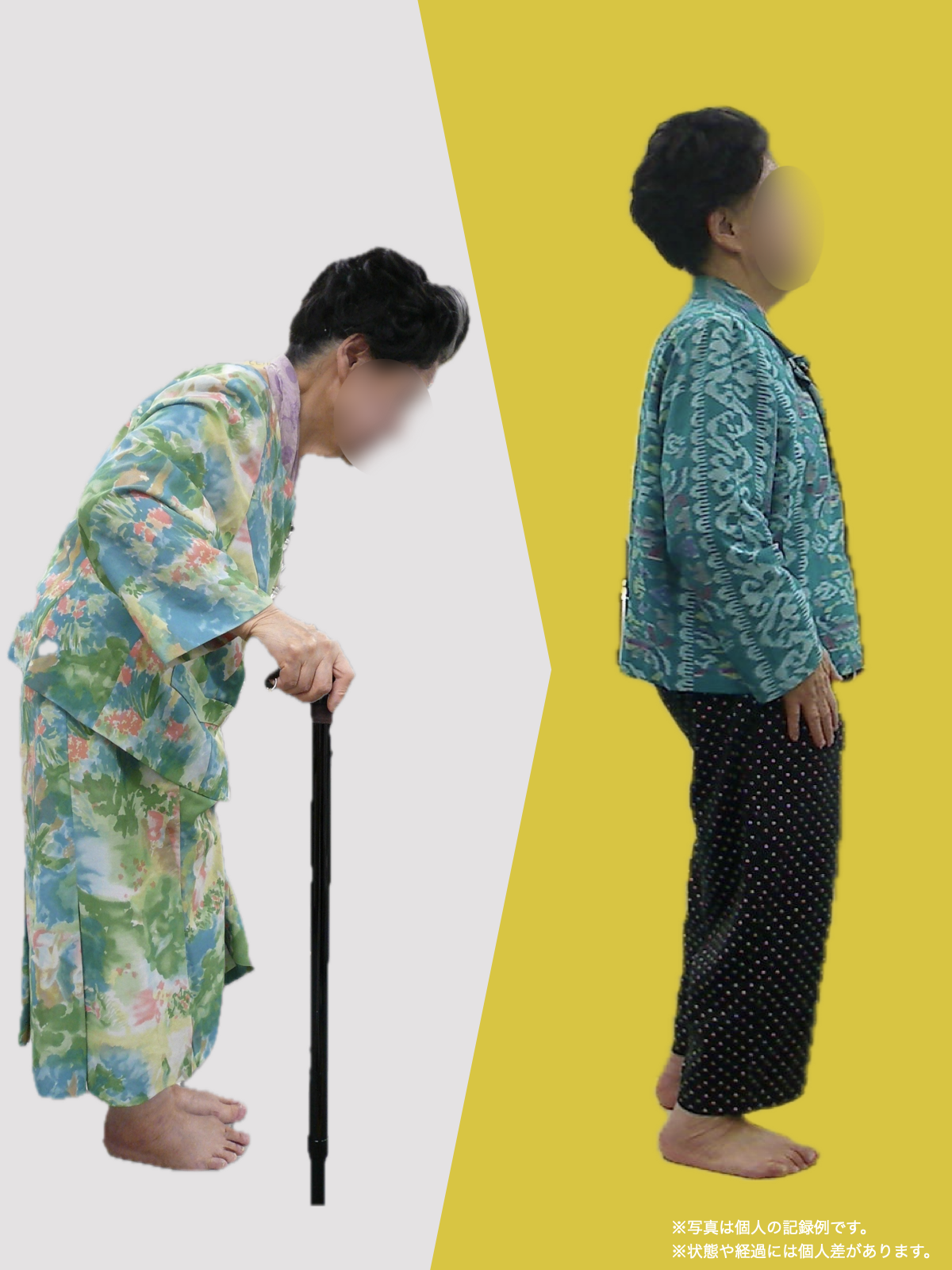
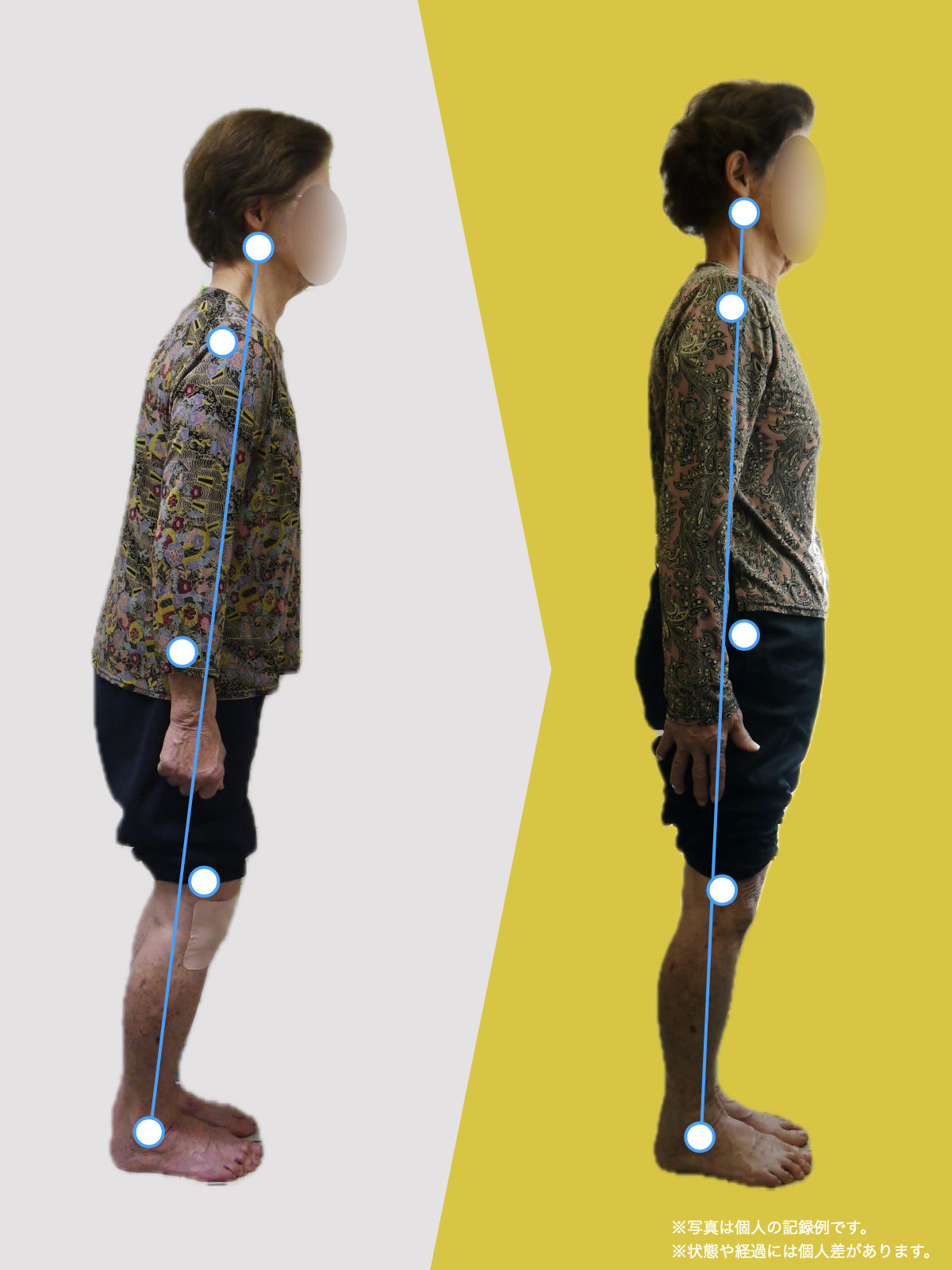
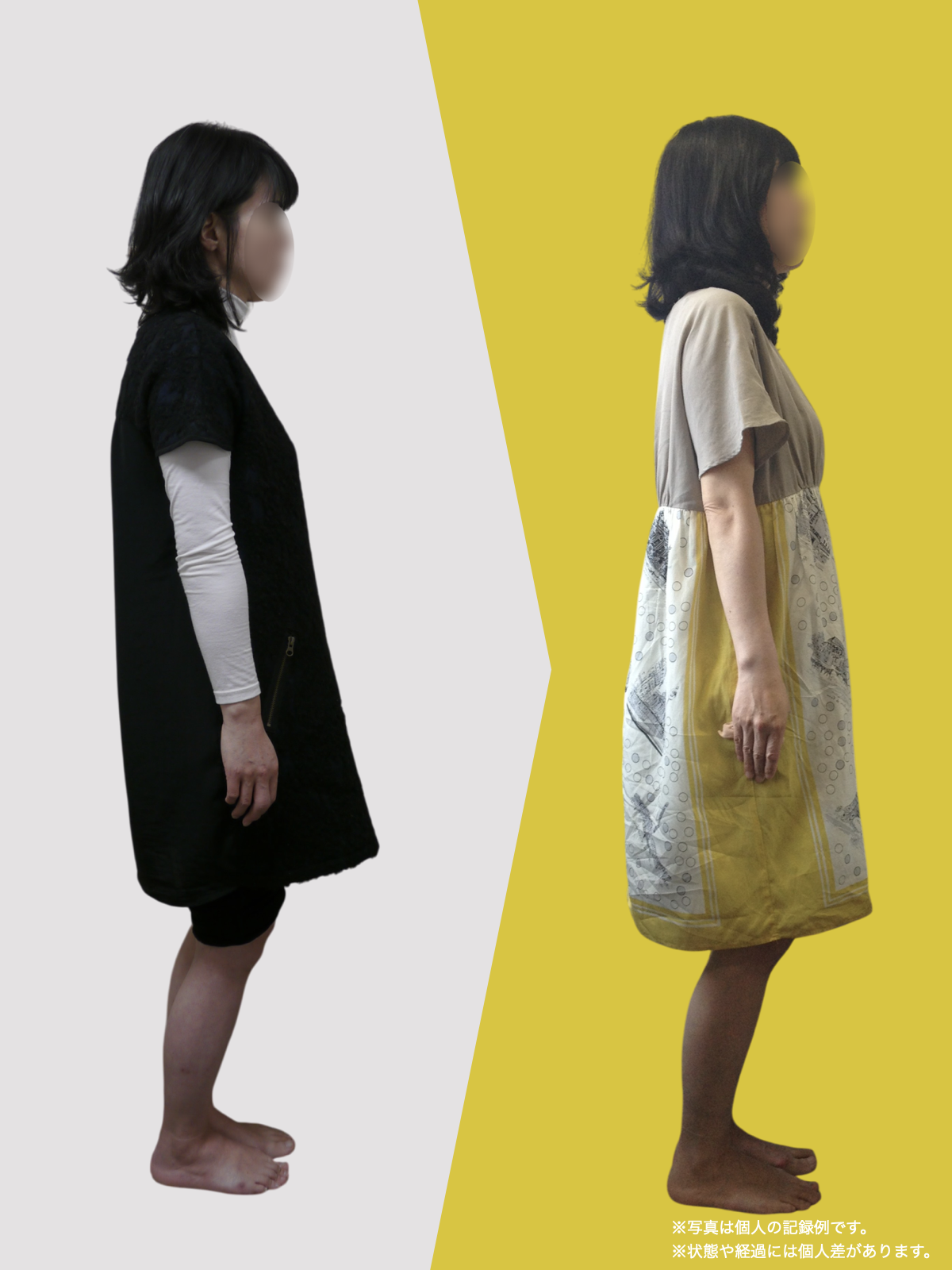
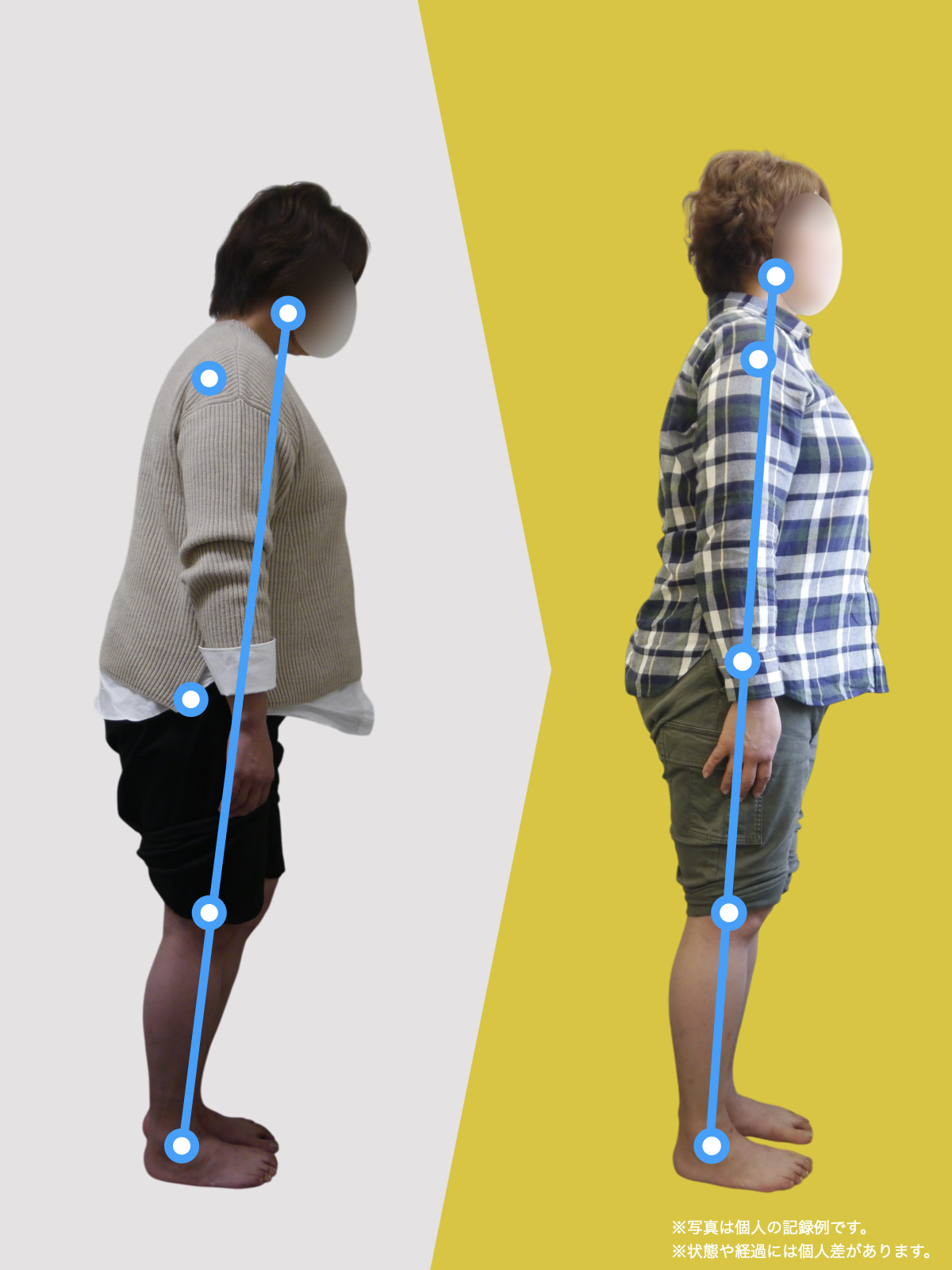
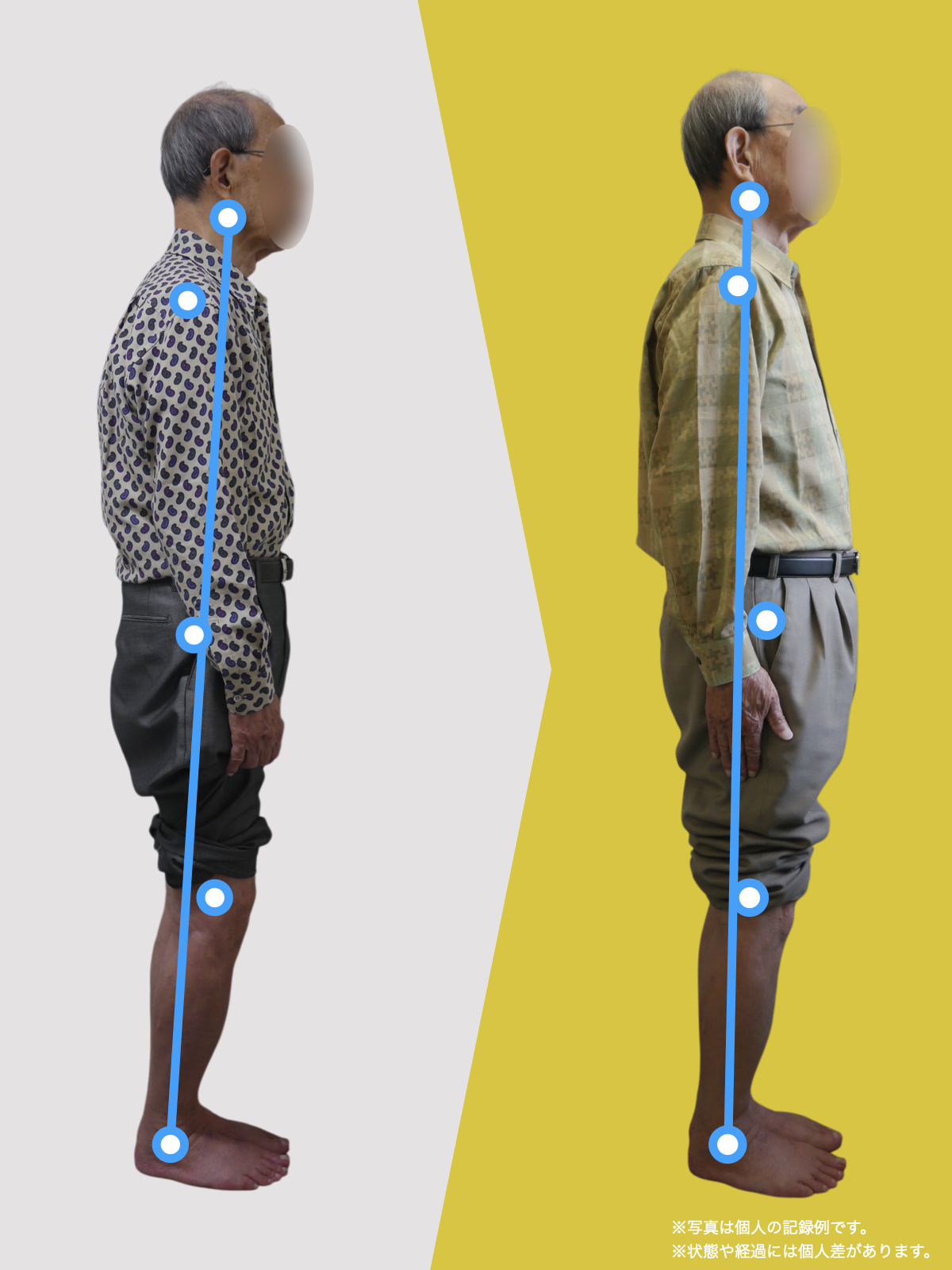
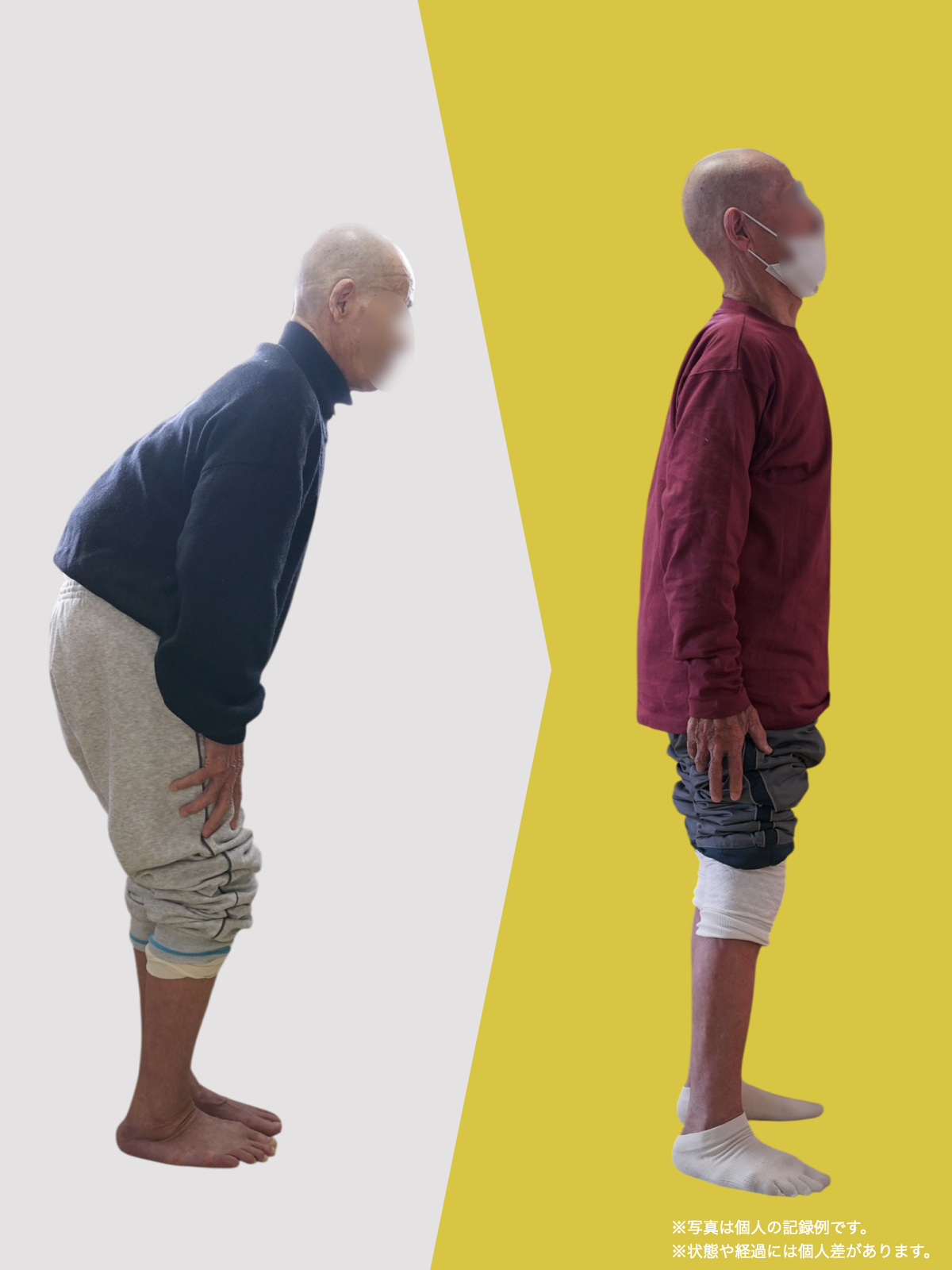
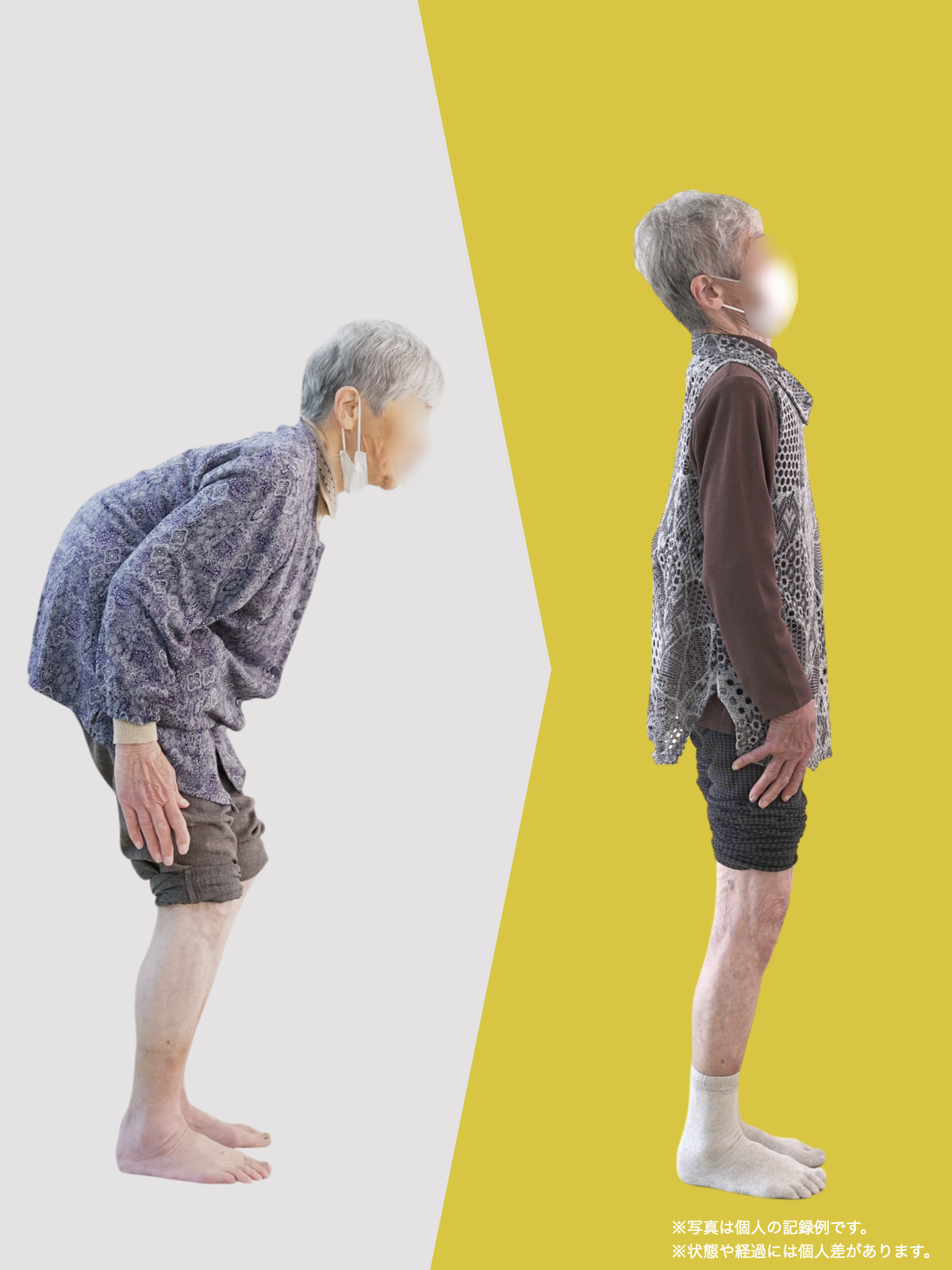
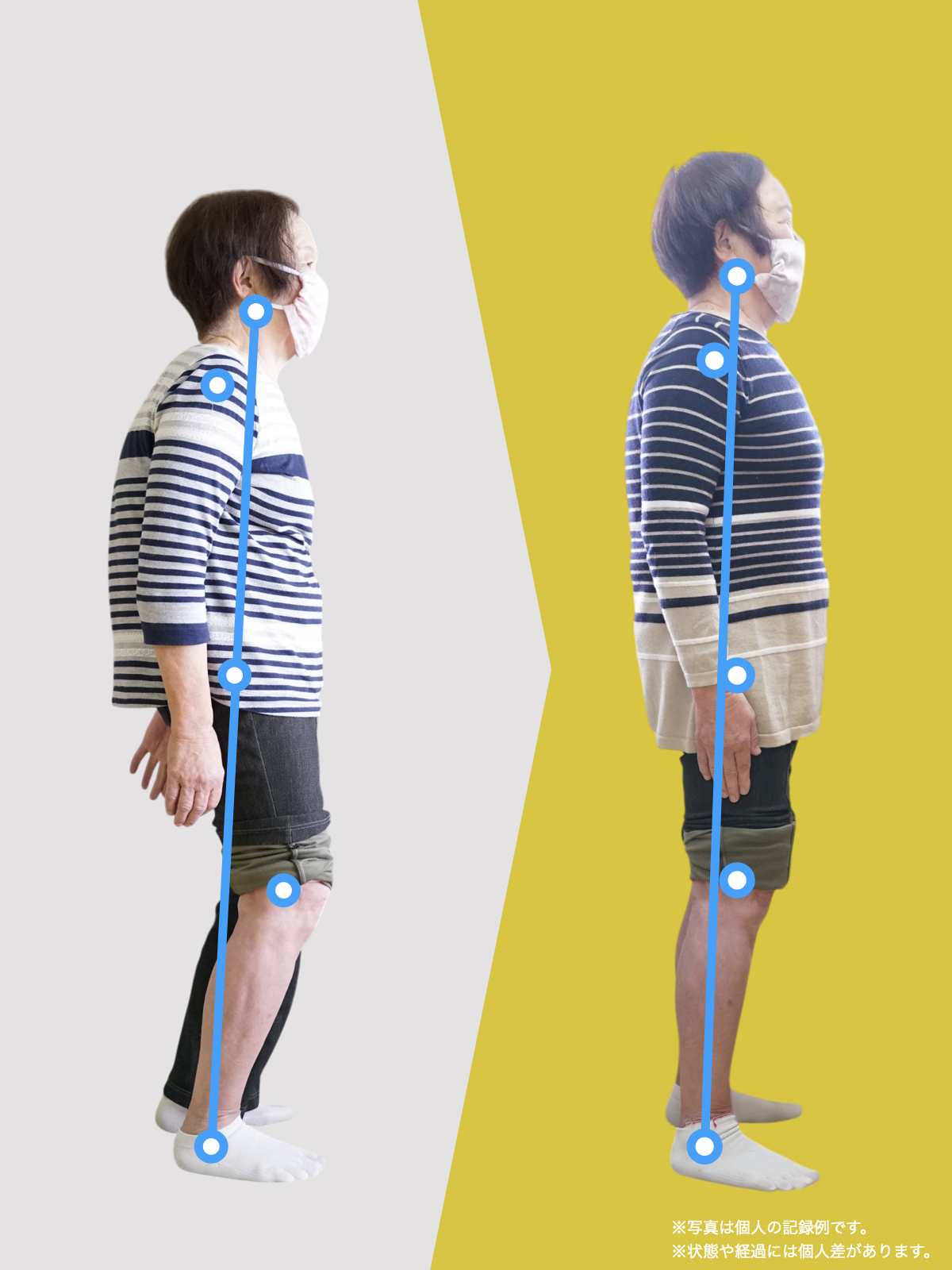
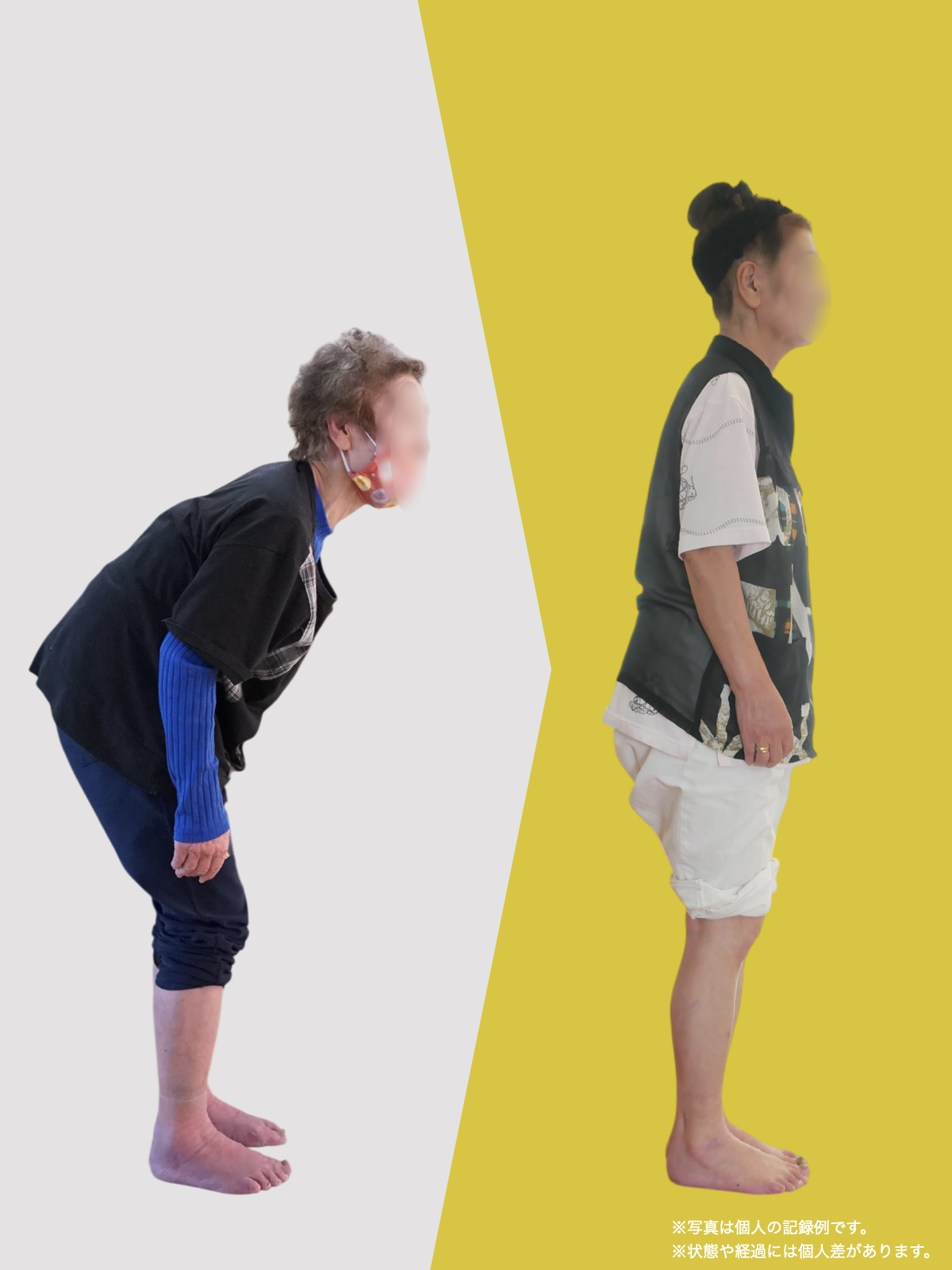
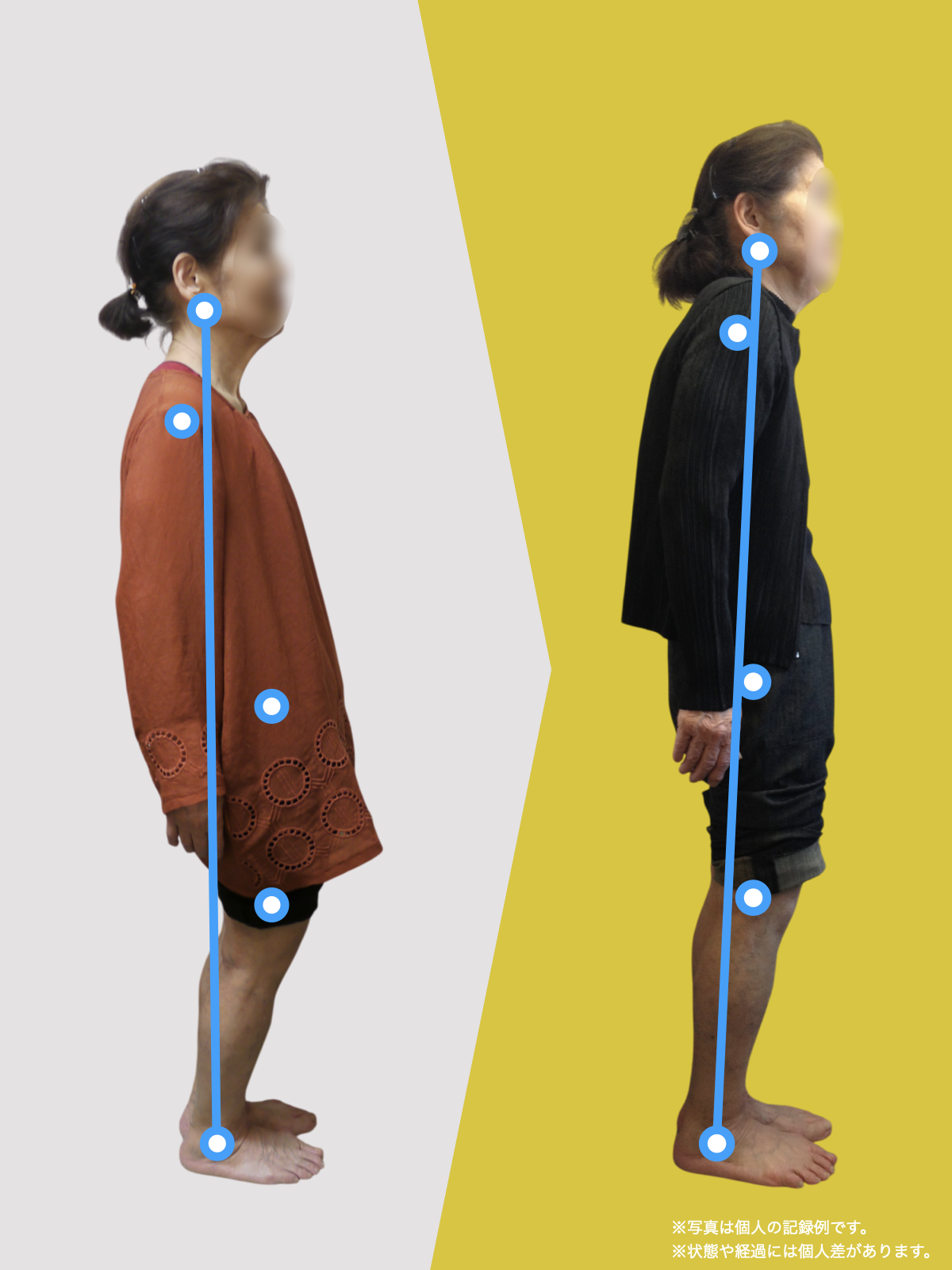
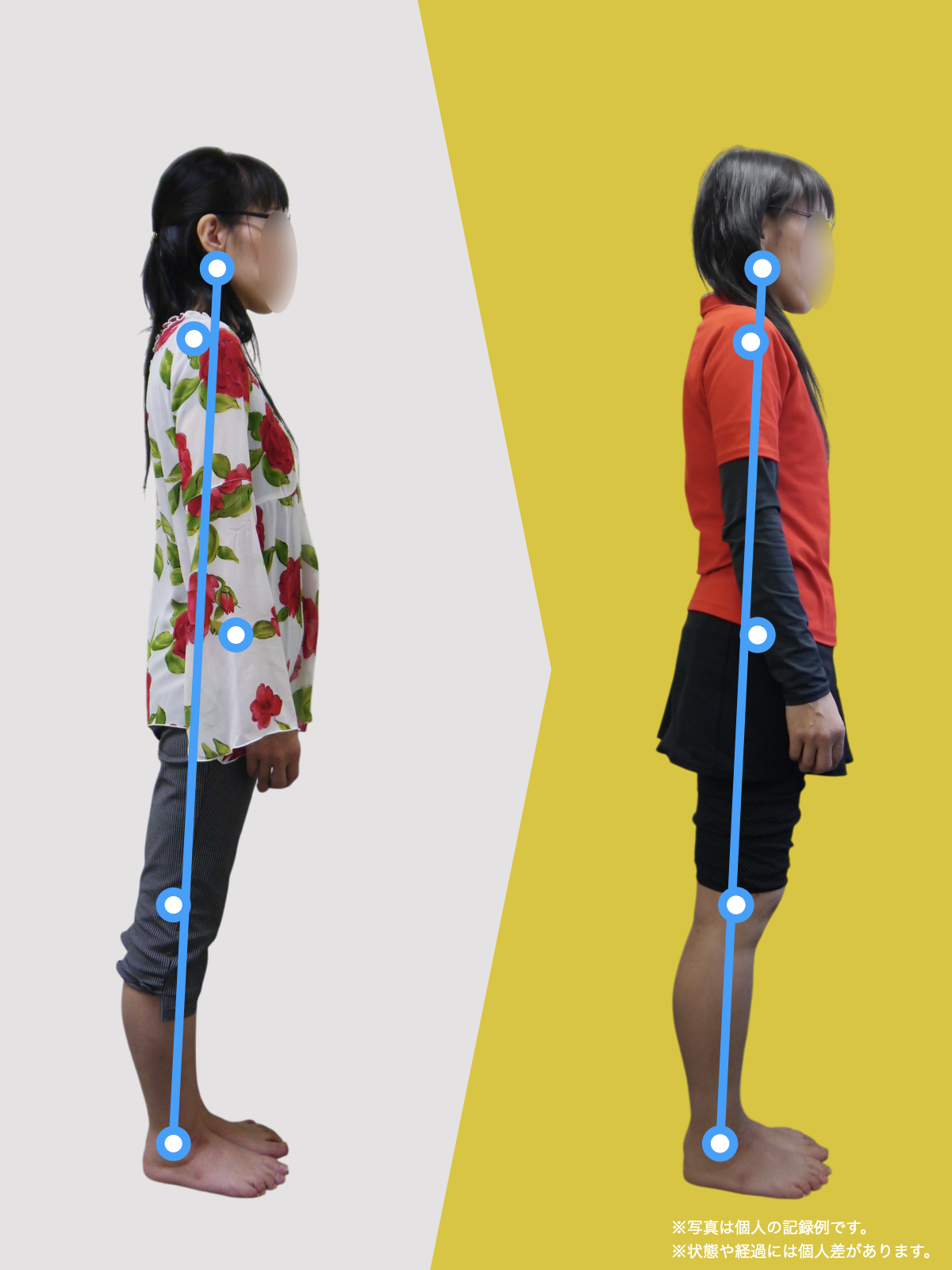
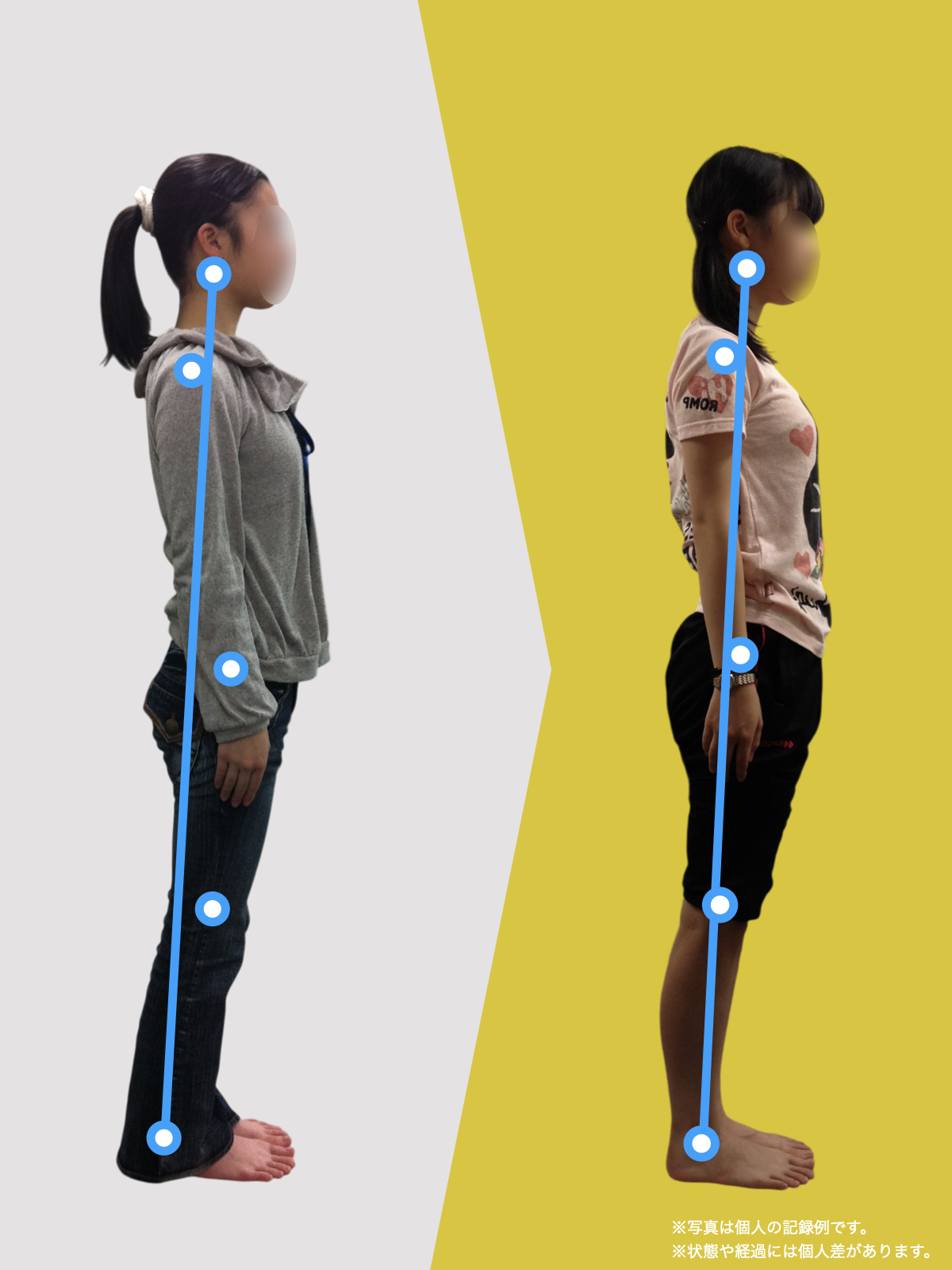
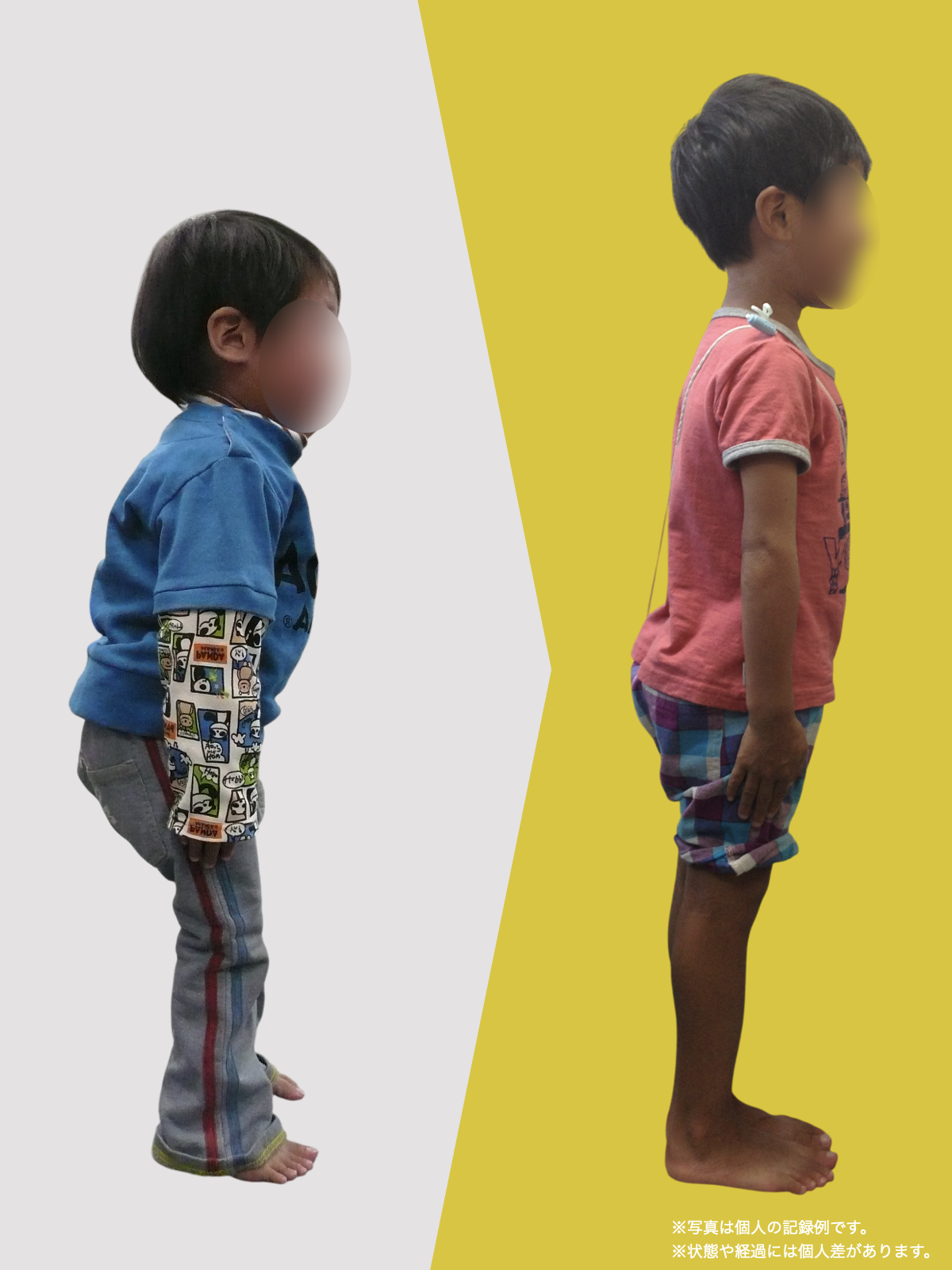
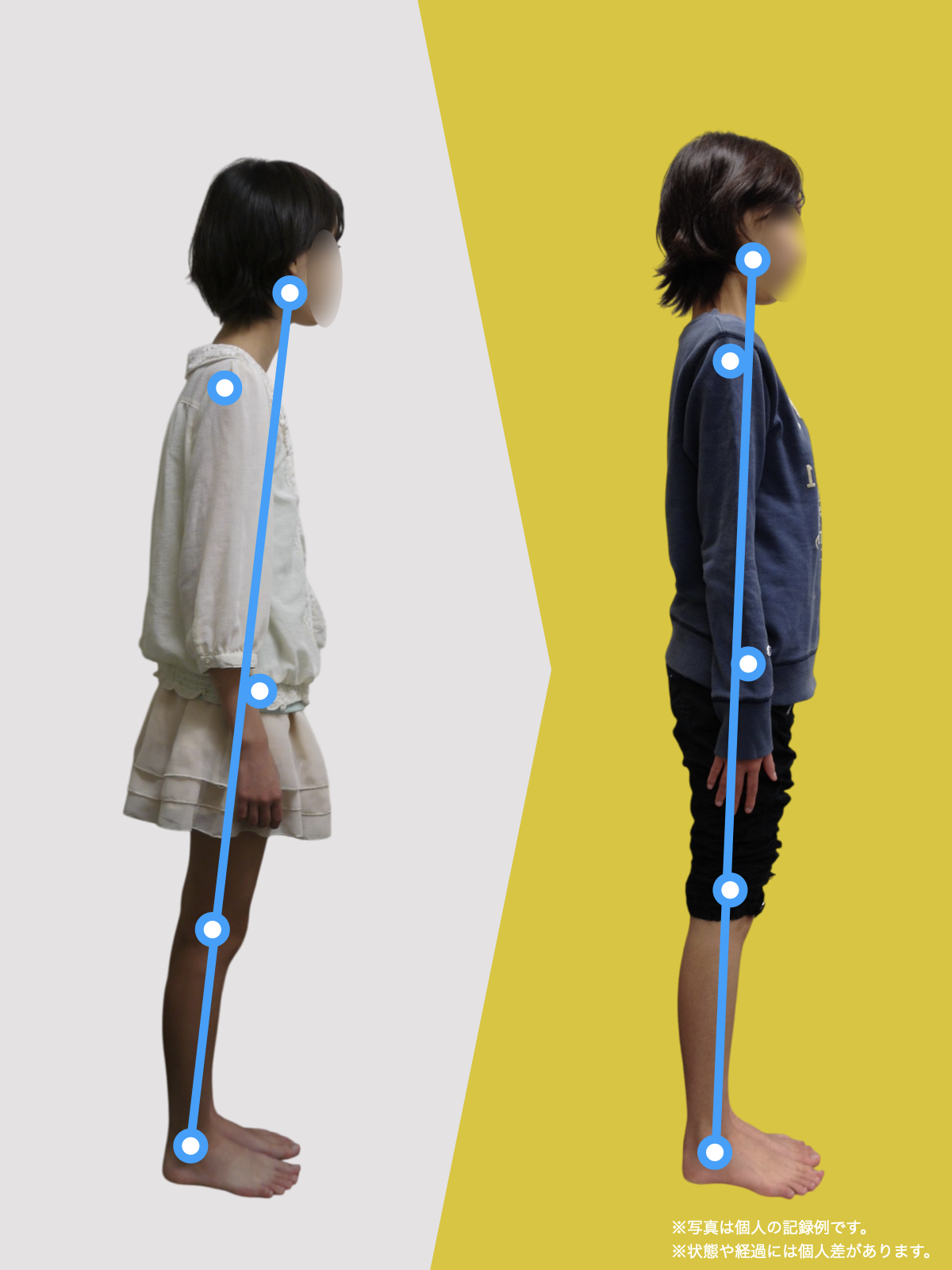
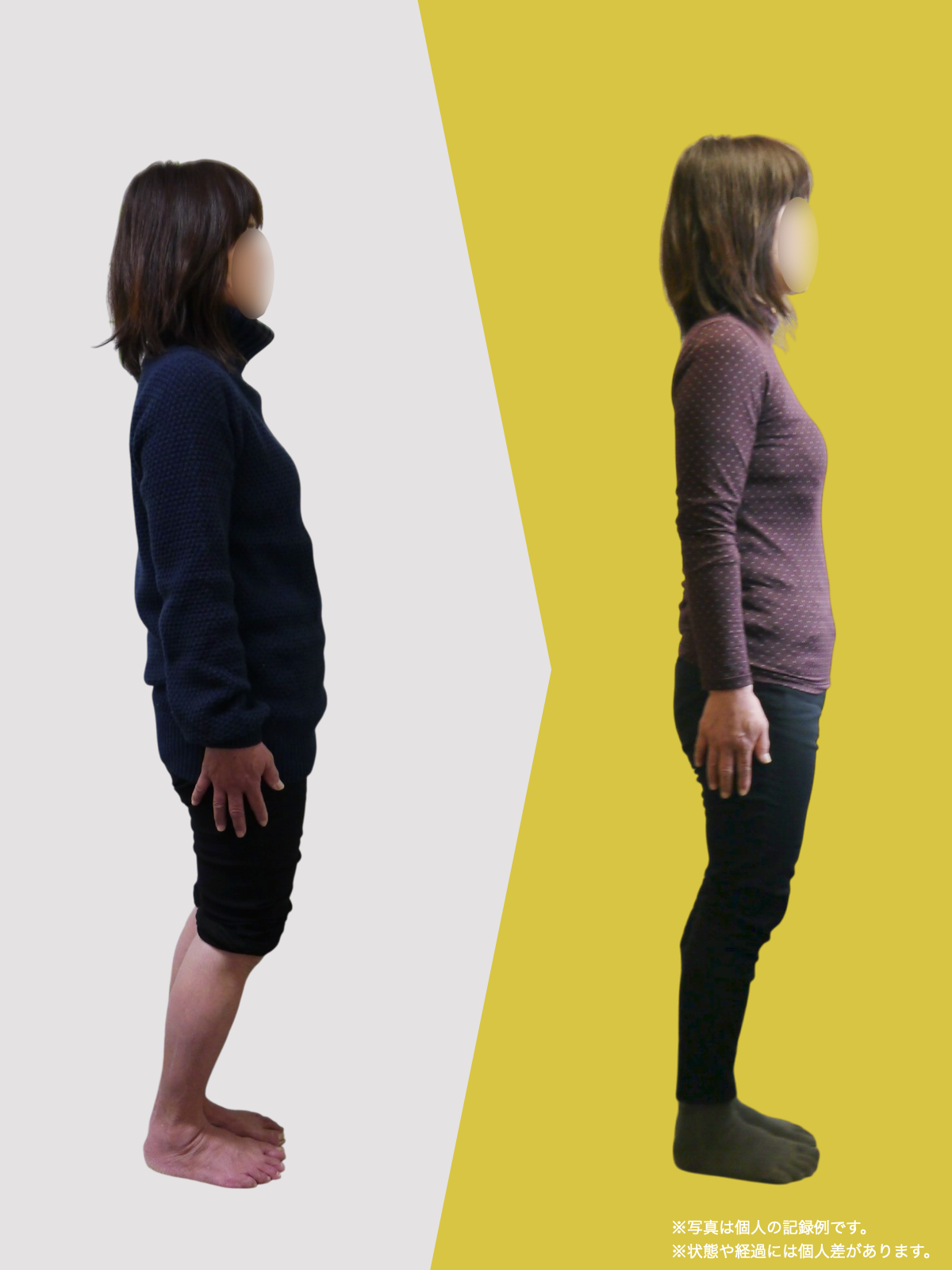
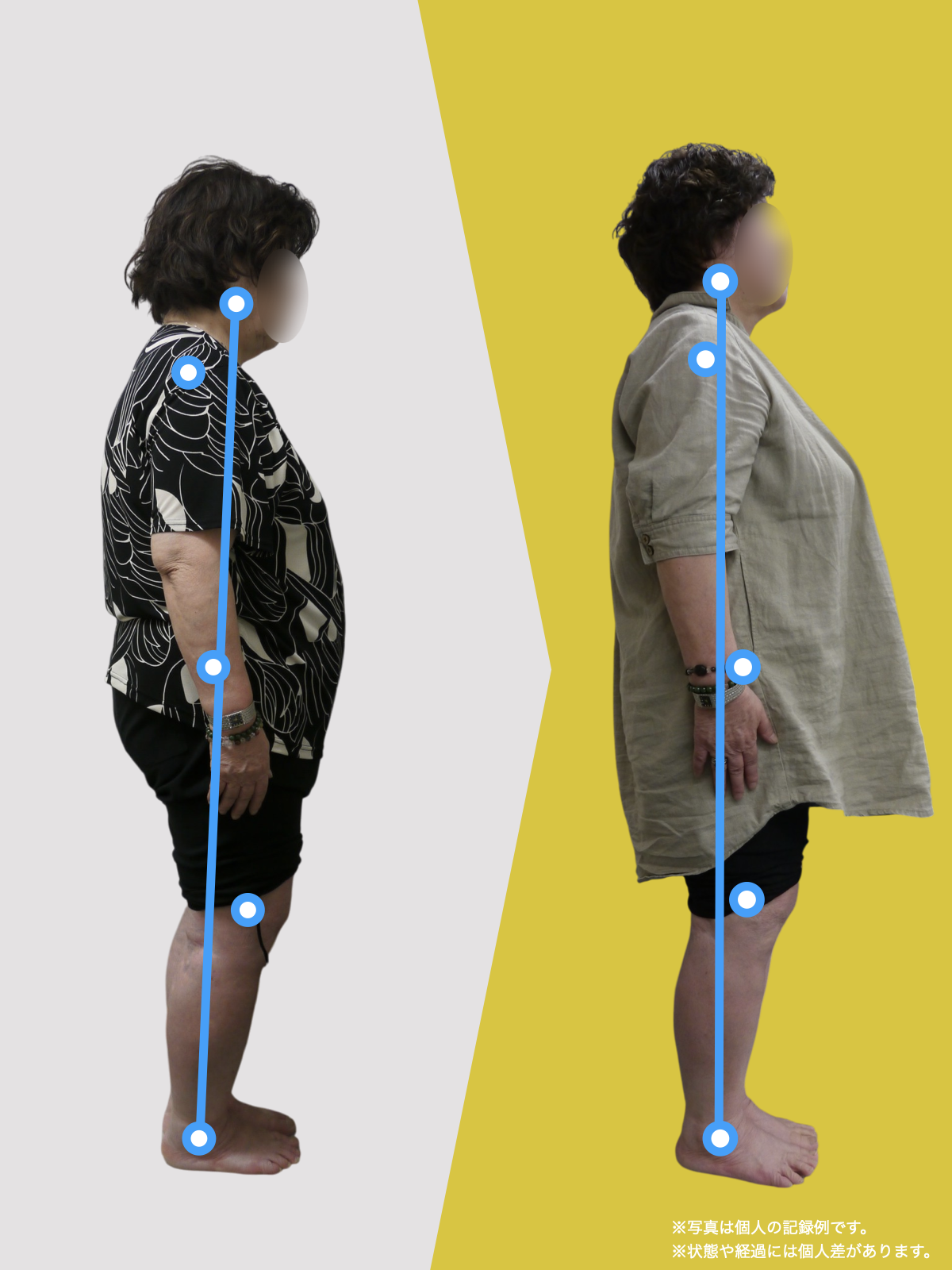
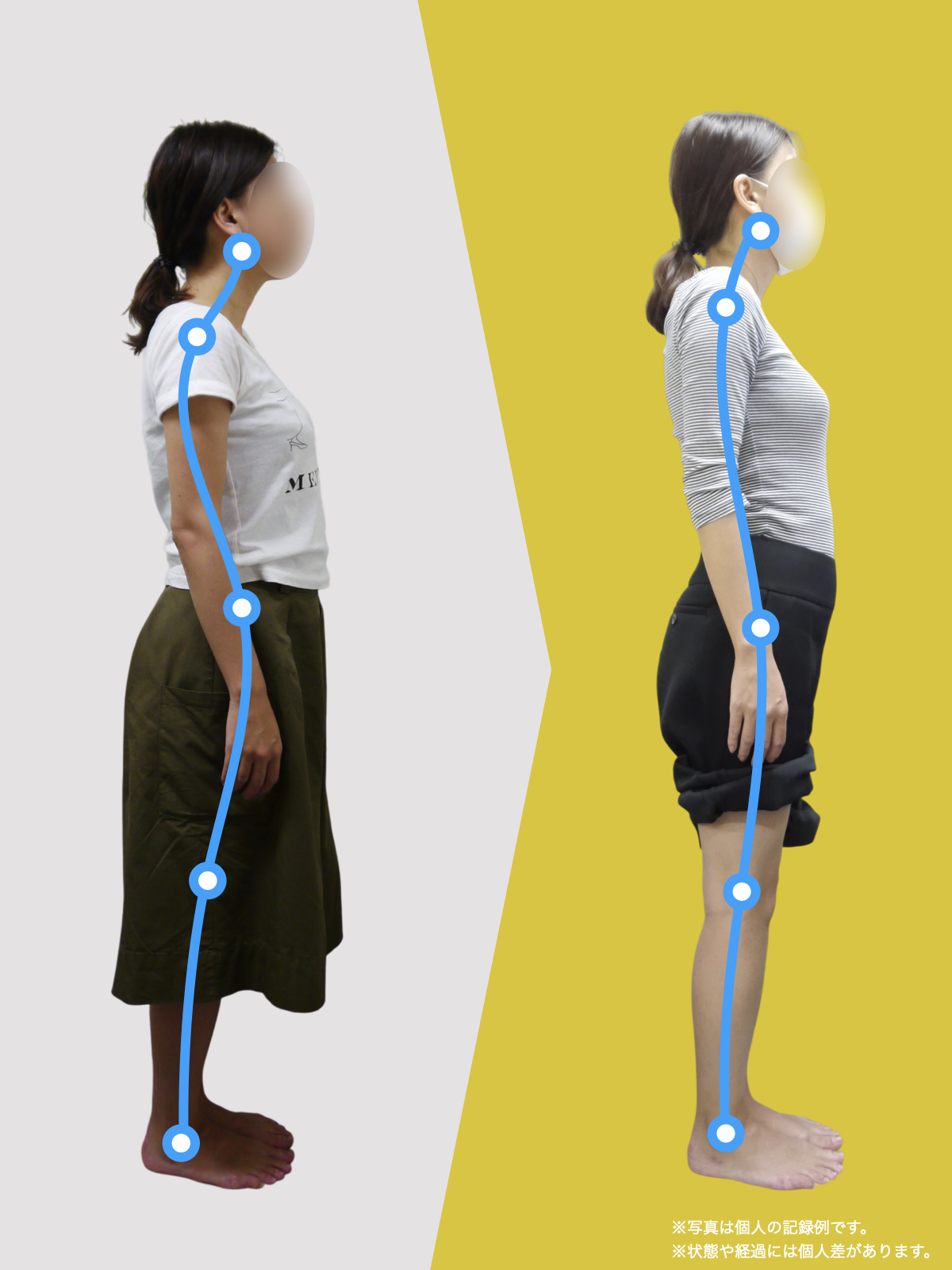
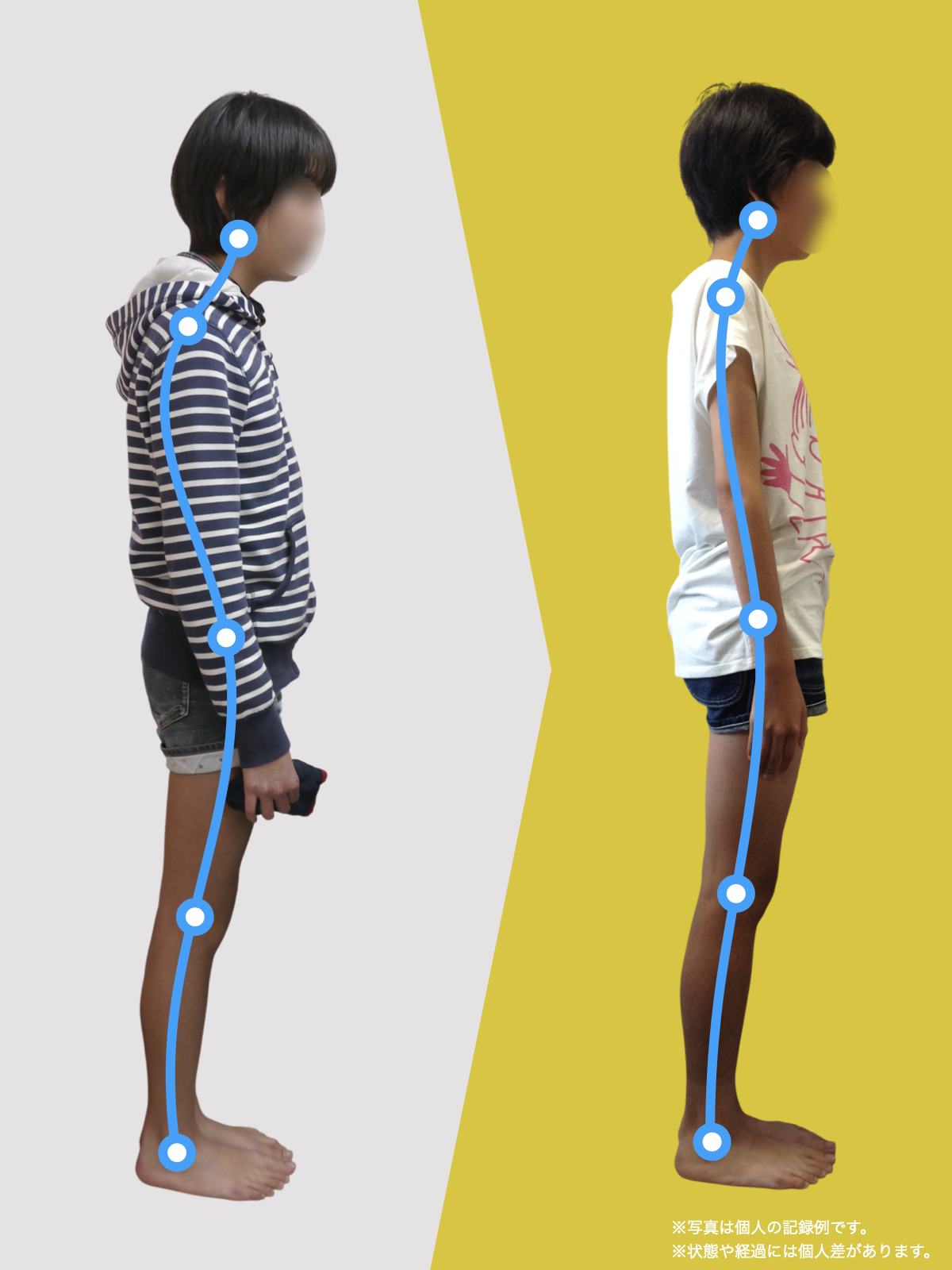
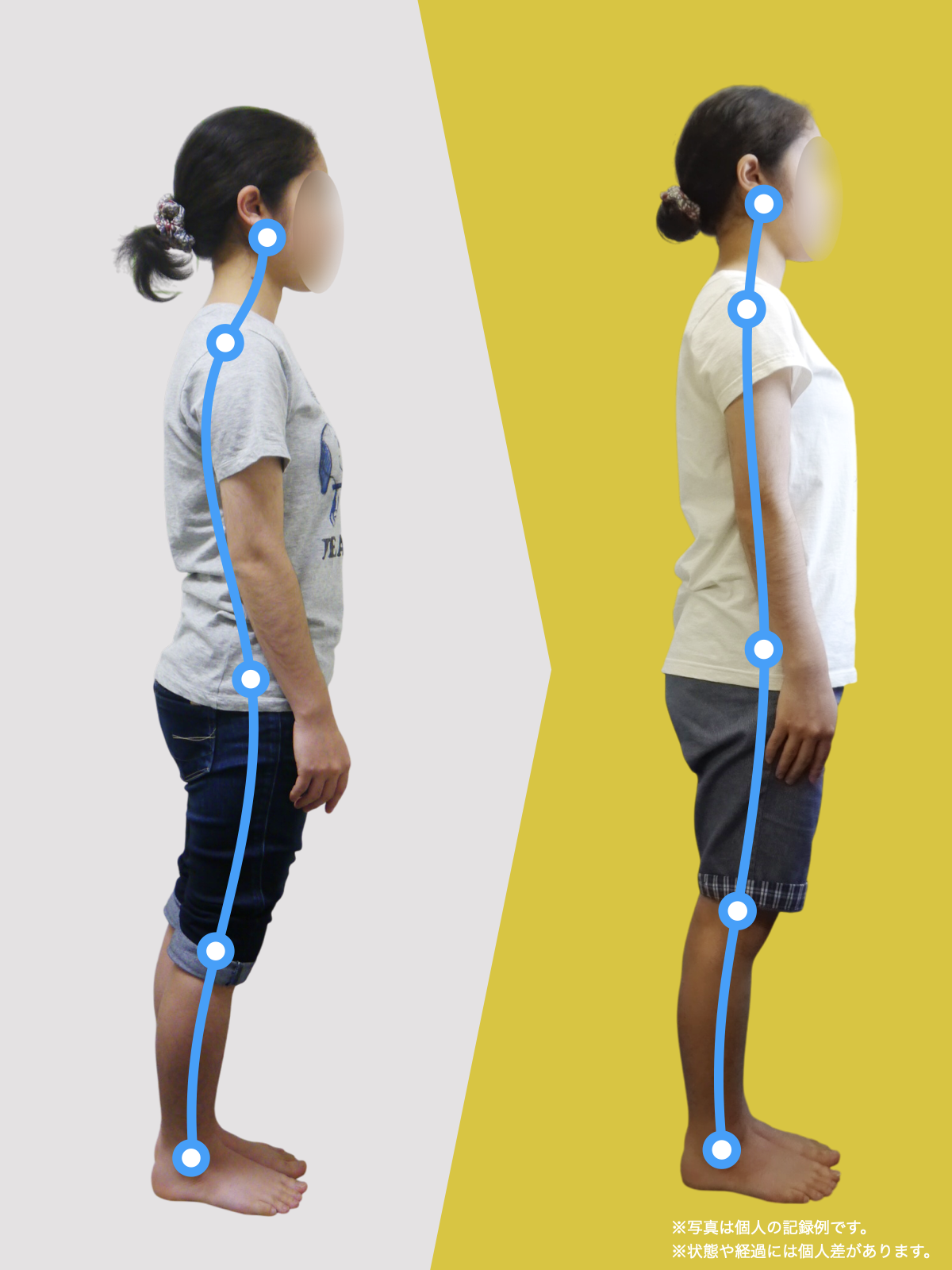
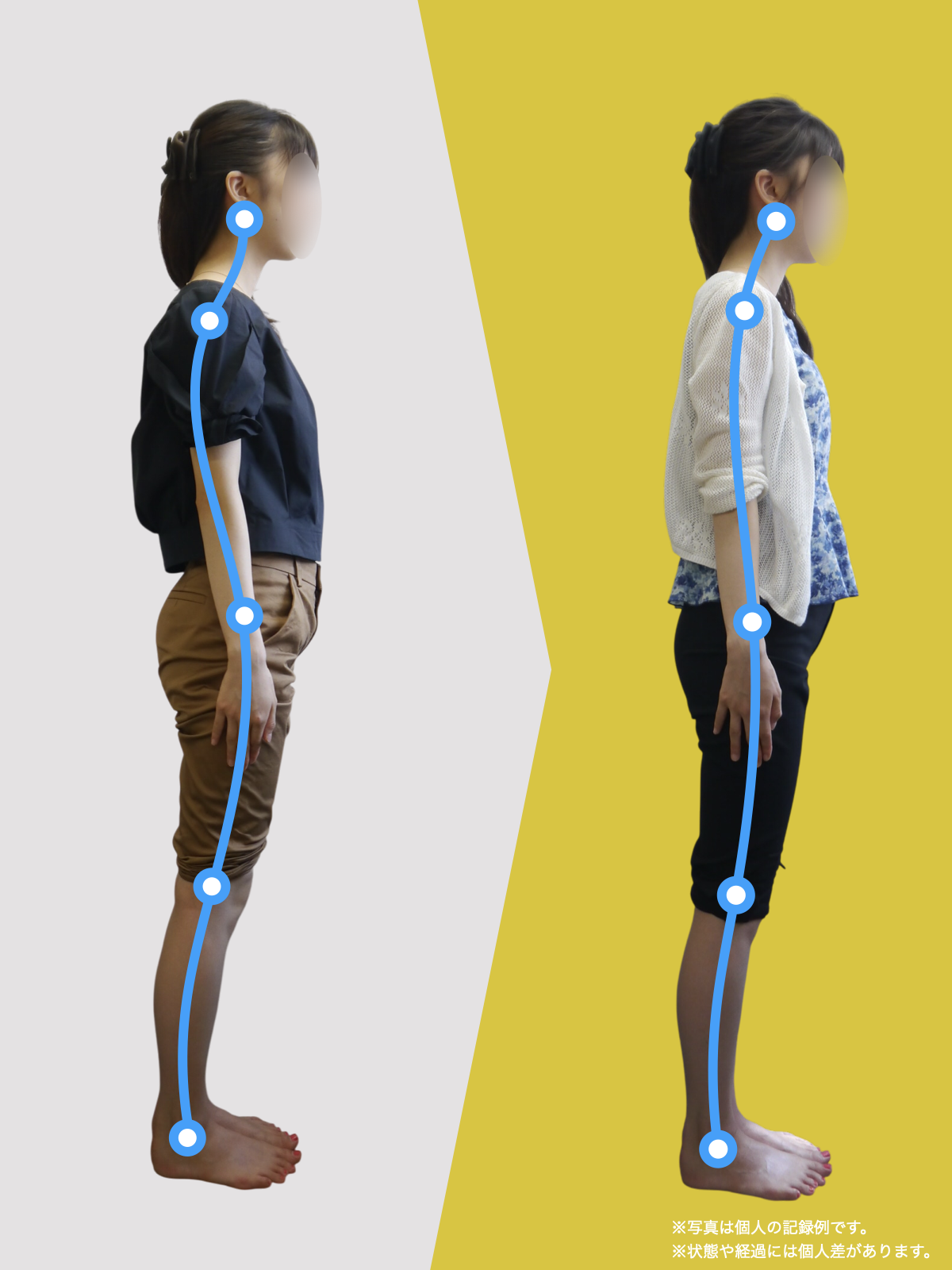
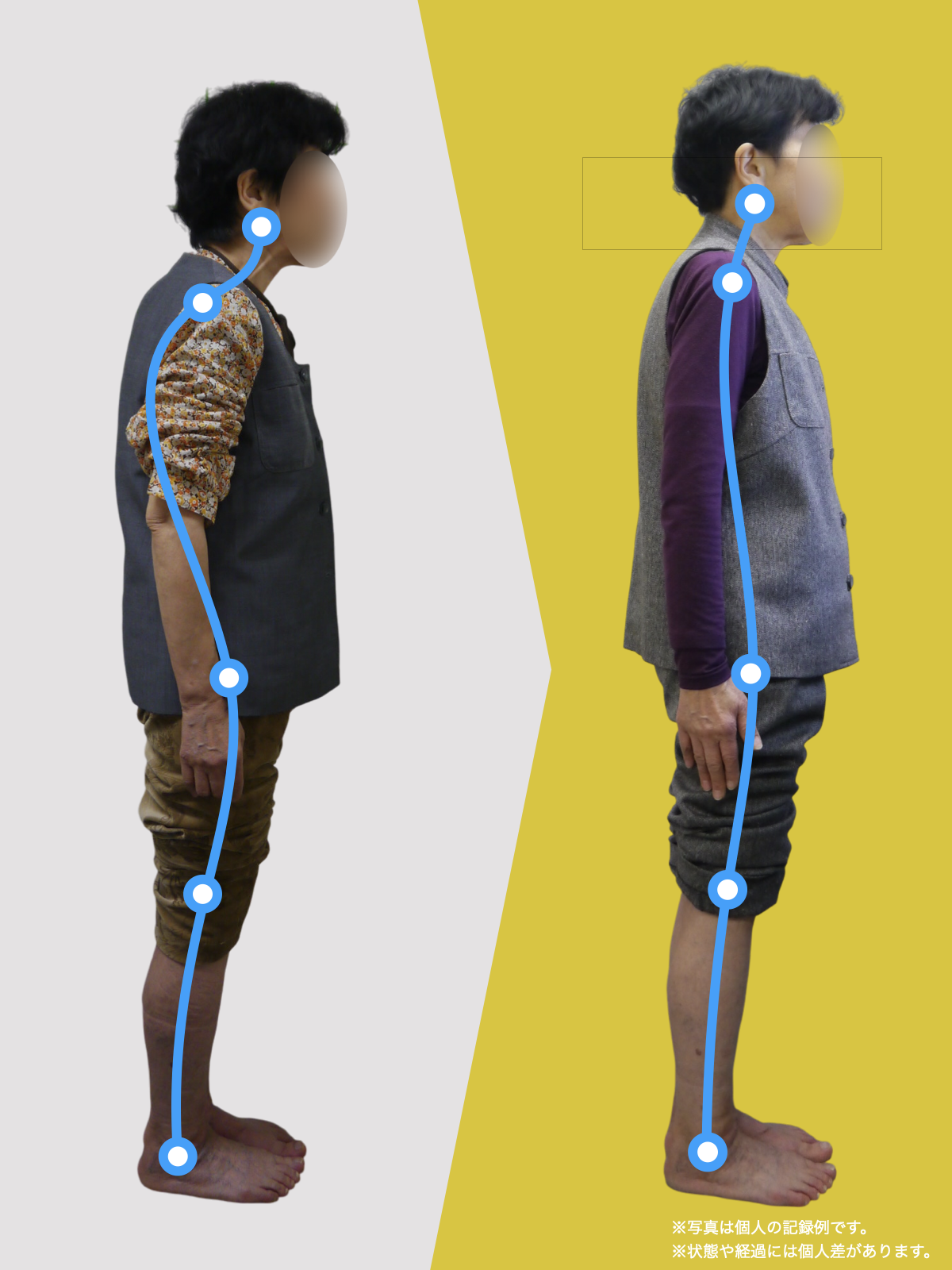
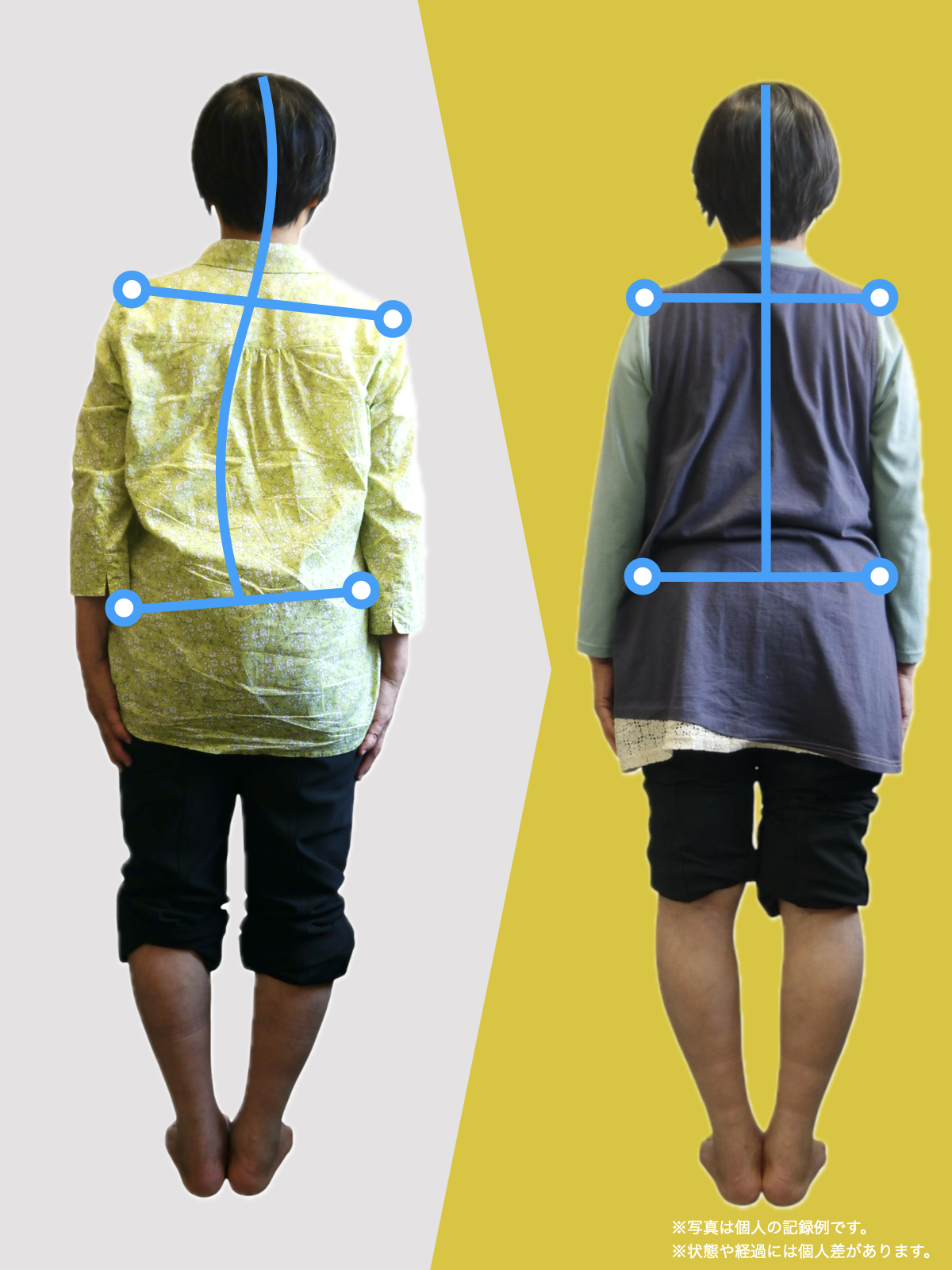
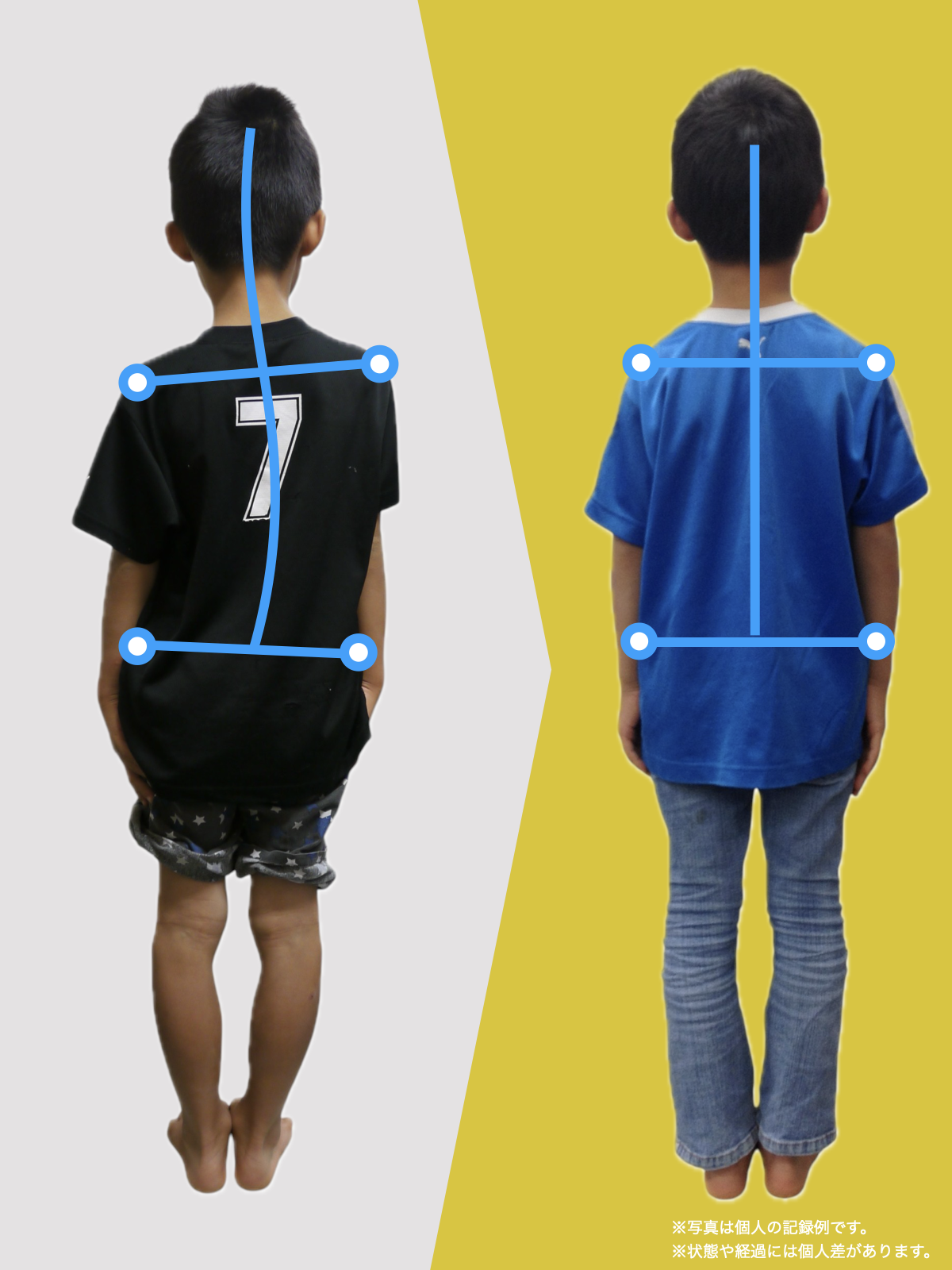
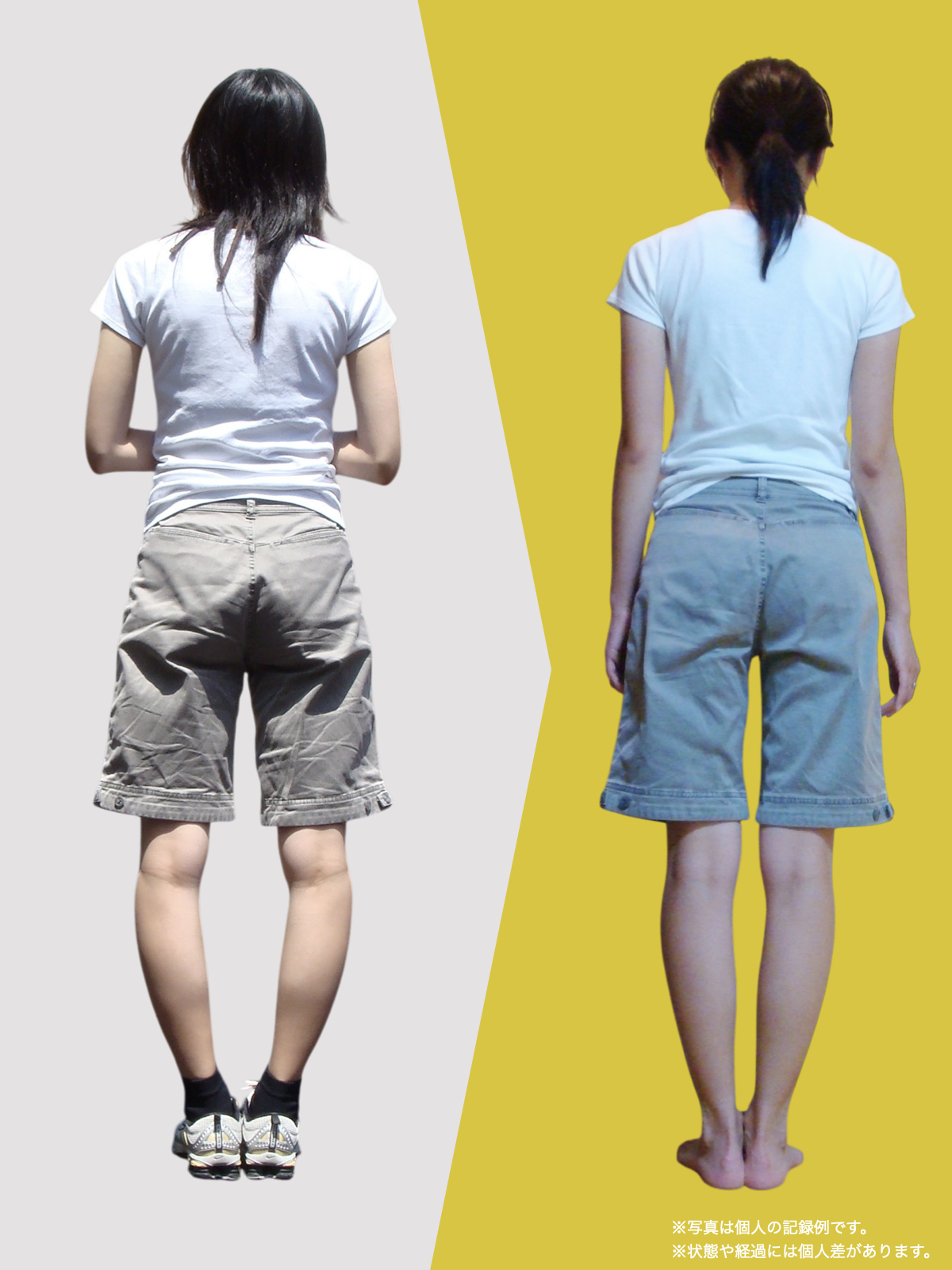
足指・姿勢の状態観察例
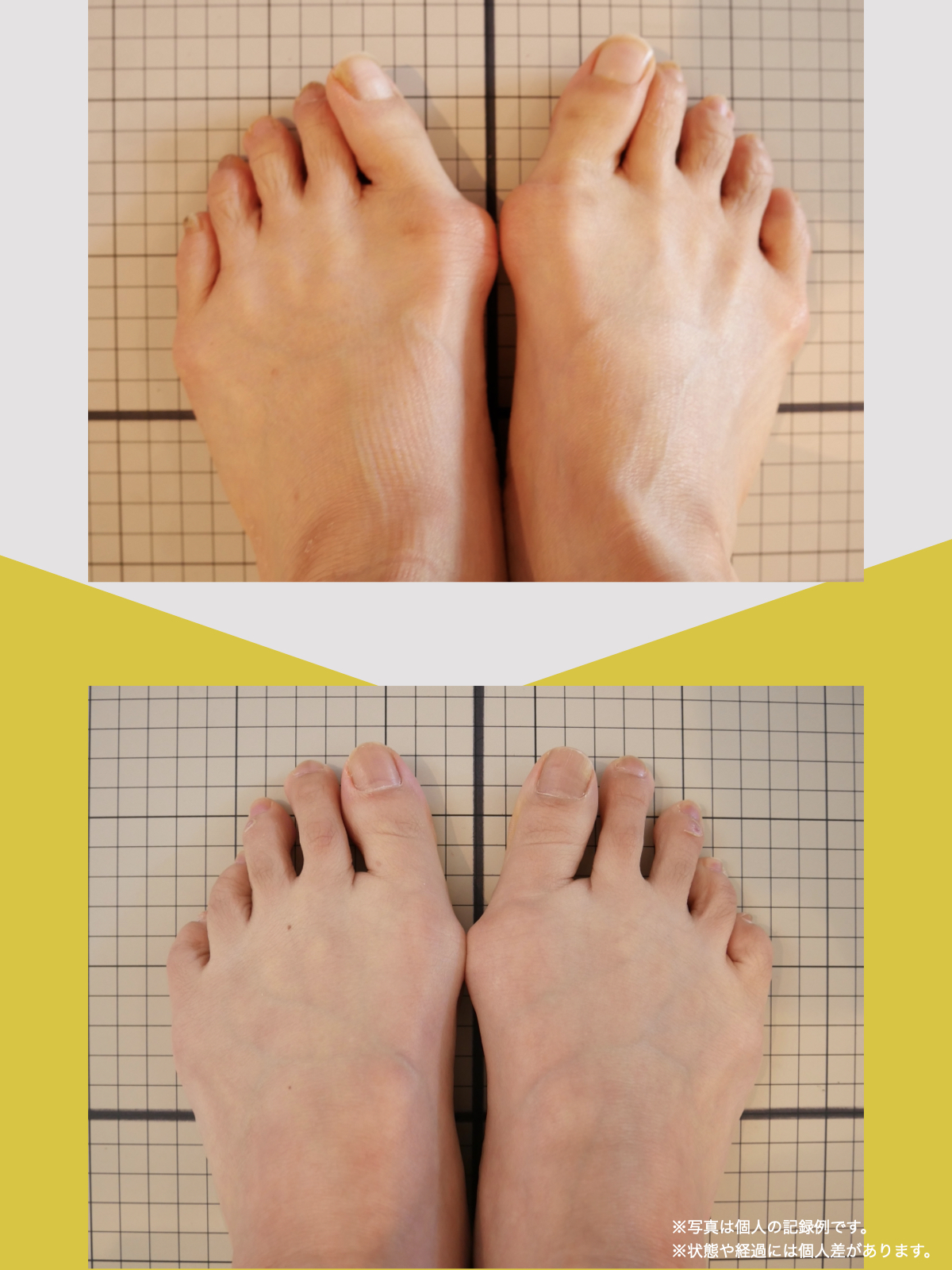
ひろのば体操やYOSHIRO SOCKSなど、足の環境を整える取り組みを日常生活の中で実践された方の足指や姿勢の状態を観察した一例です。
足指や姿勢の状態が変化する過程で、以前訴えていた痛みを意識しなくなったと話される方も臨床では少なくありません。
外反母趾
内反小趾
屈み指
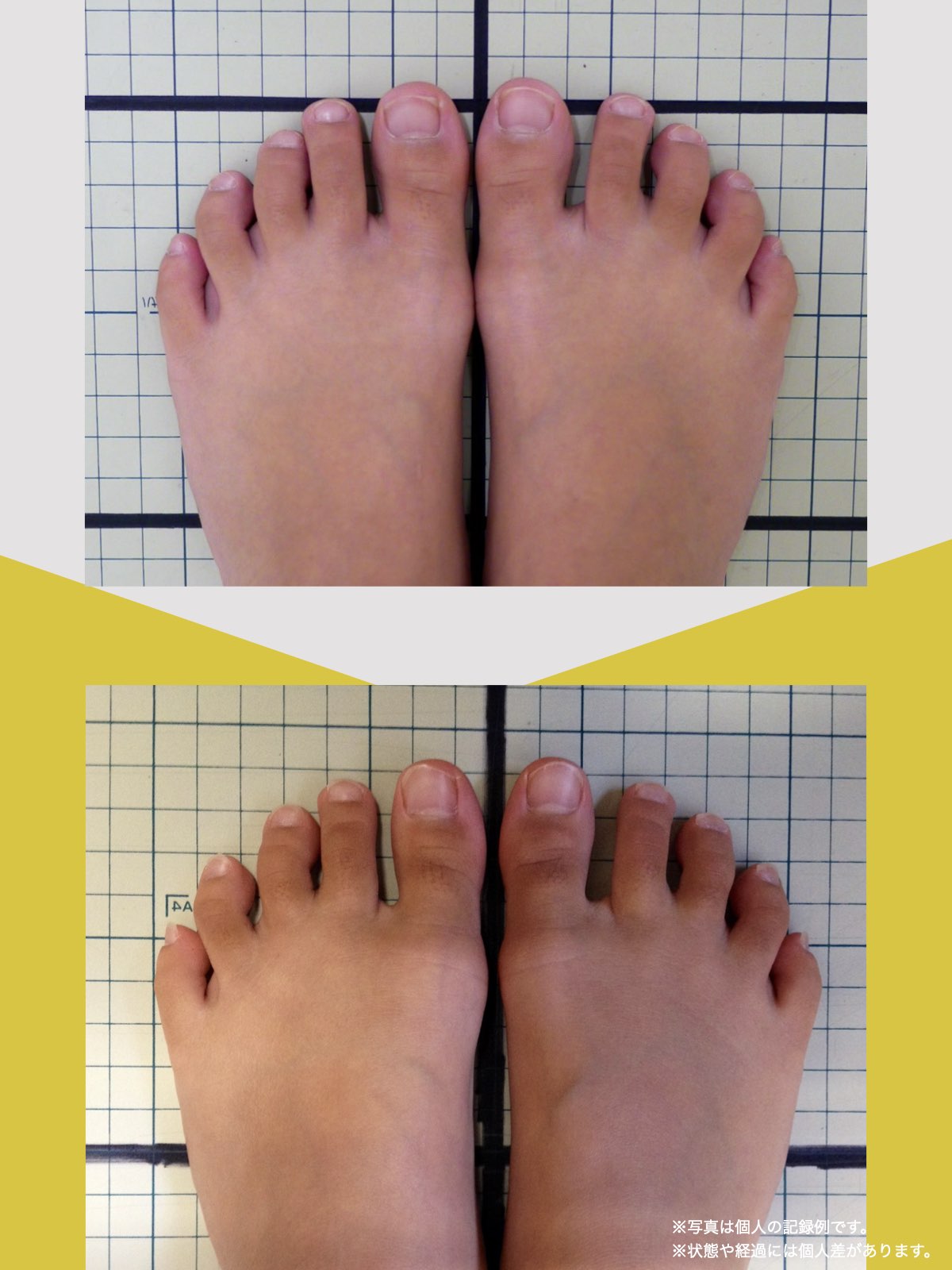
浮き指
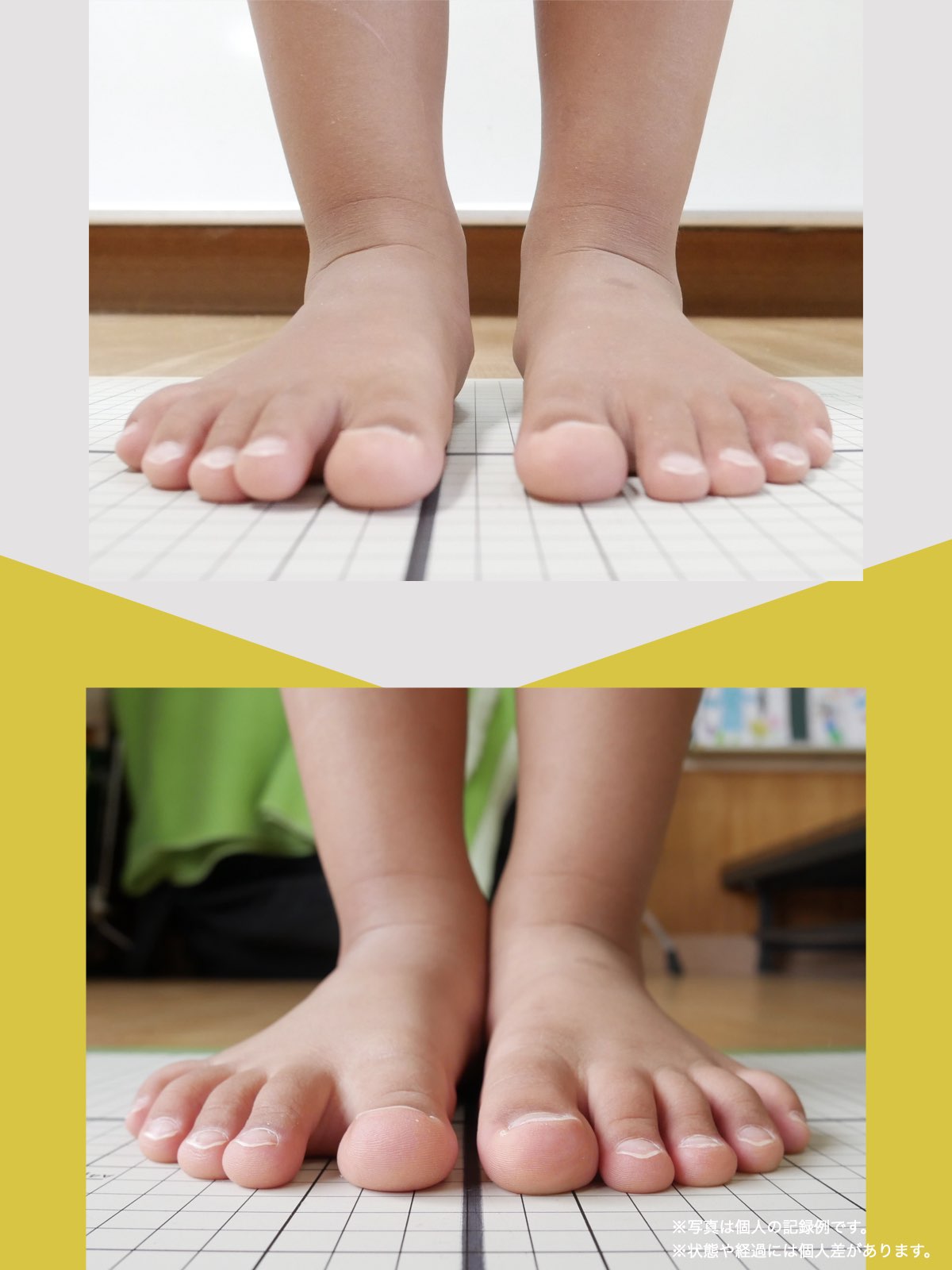
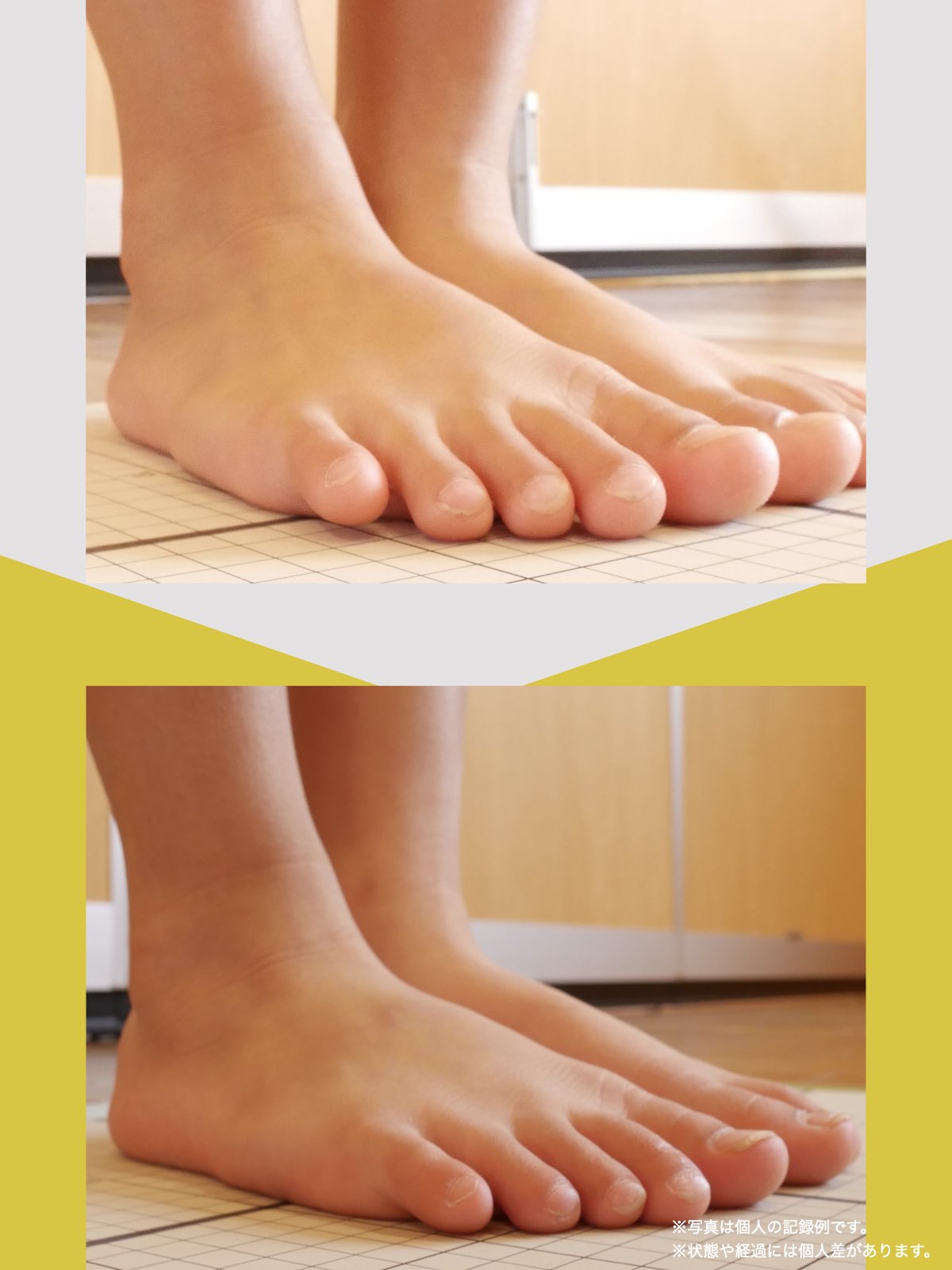
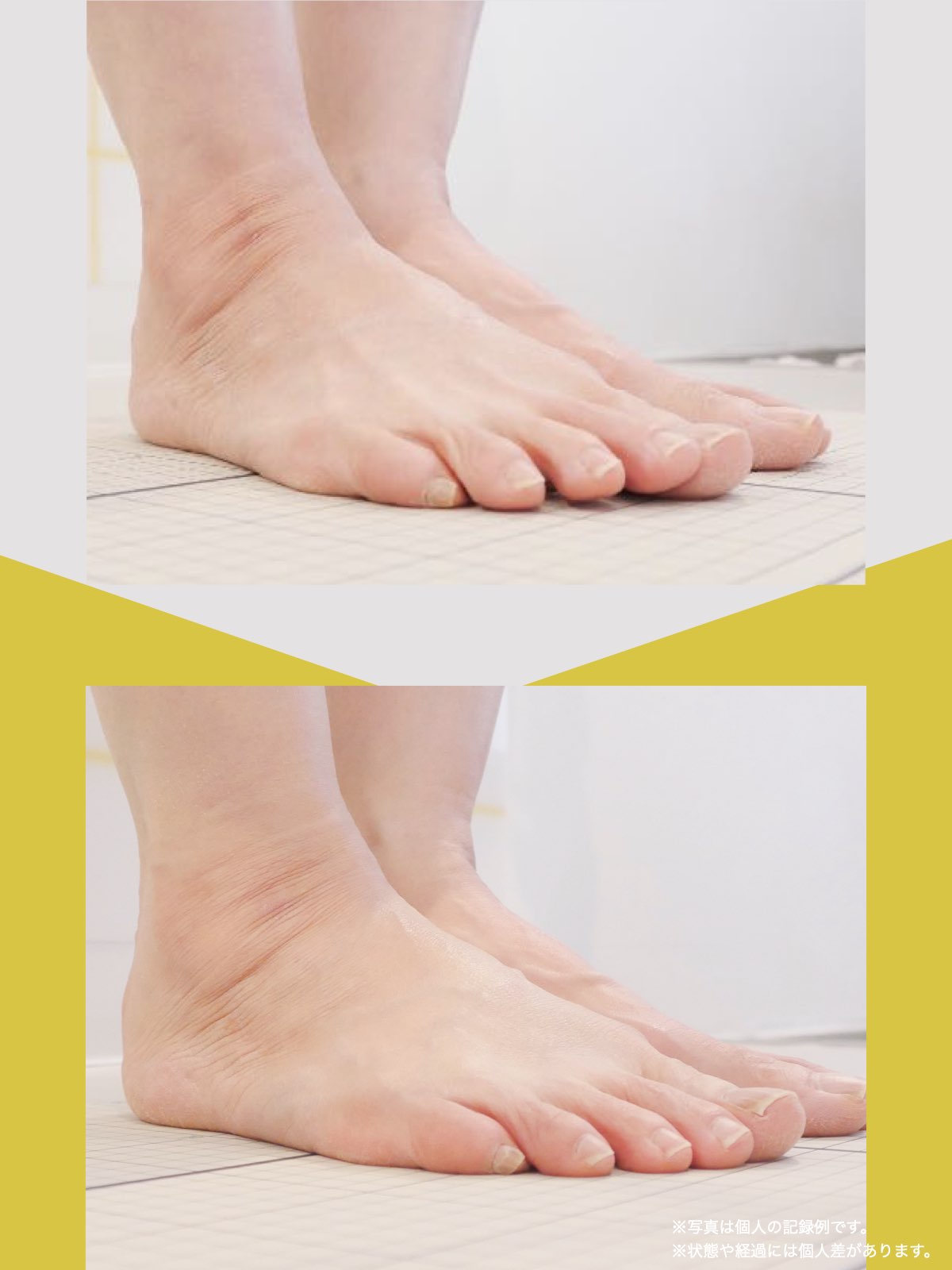
寝指
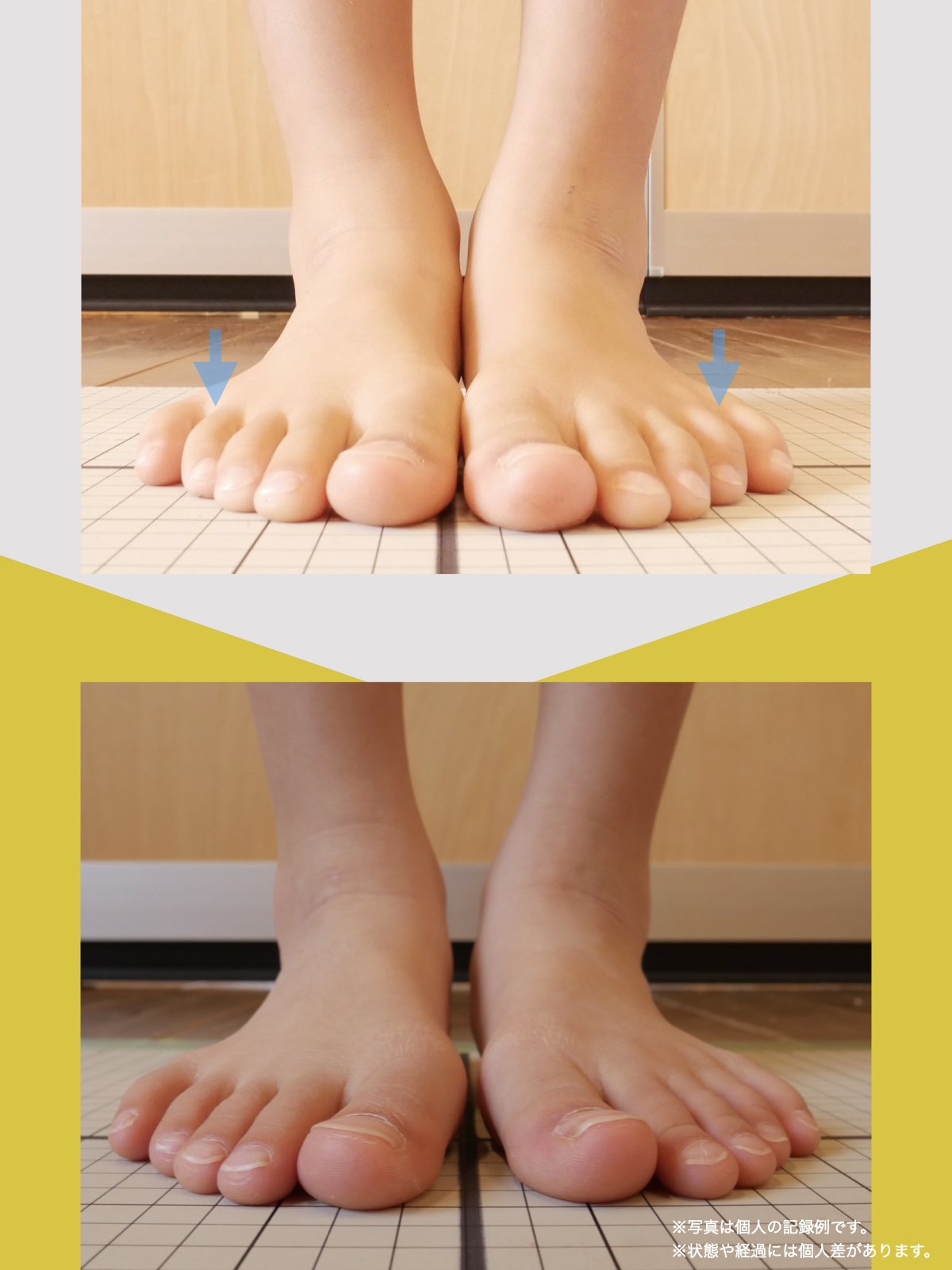
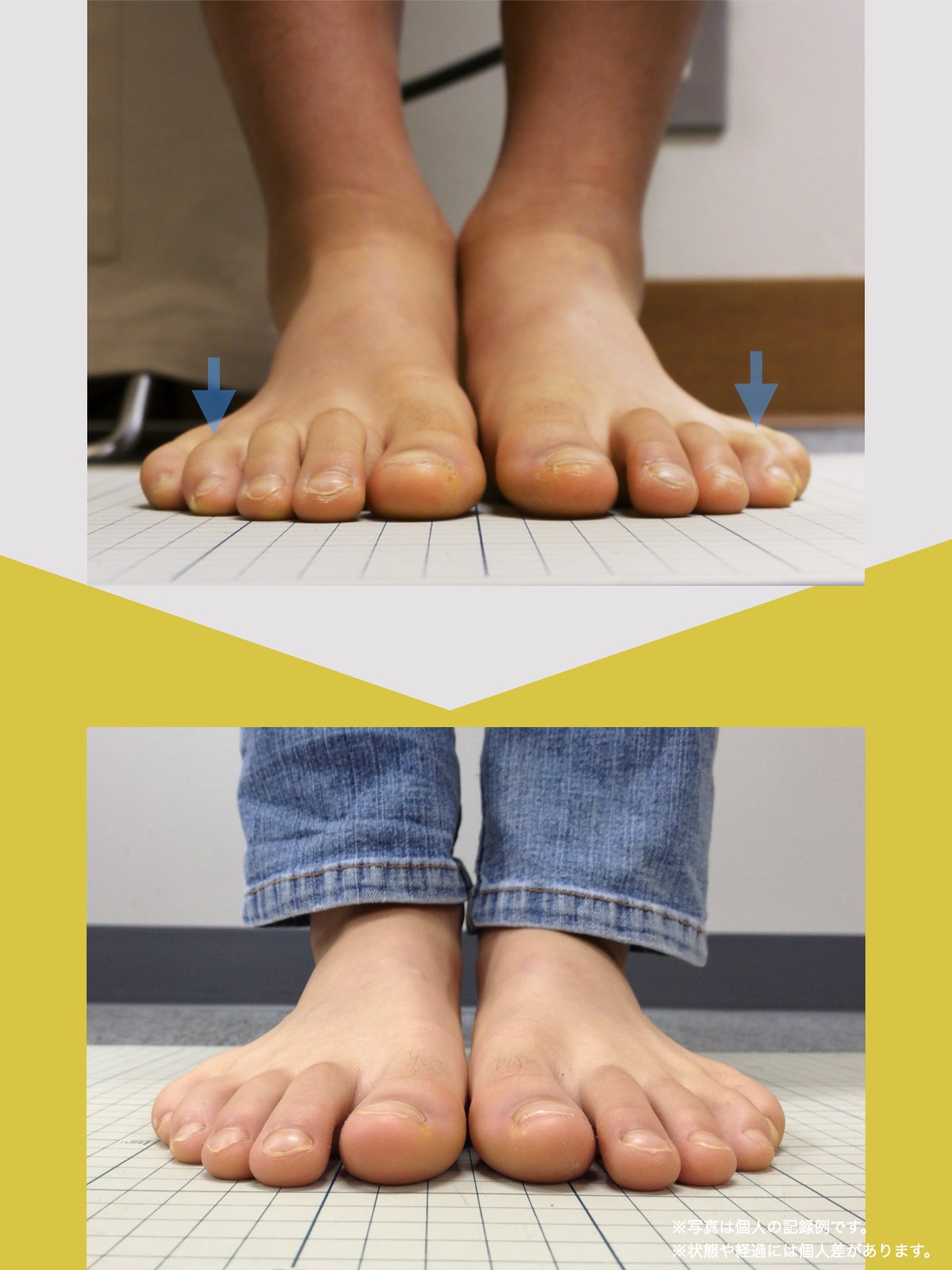
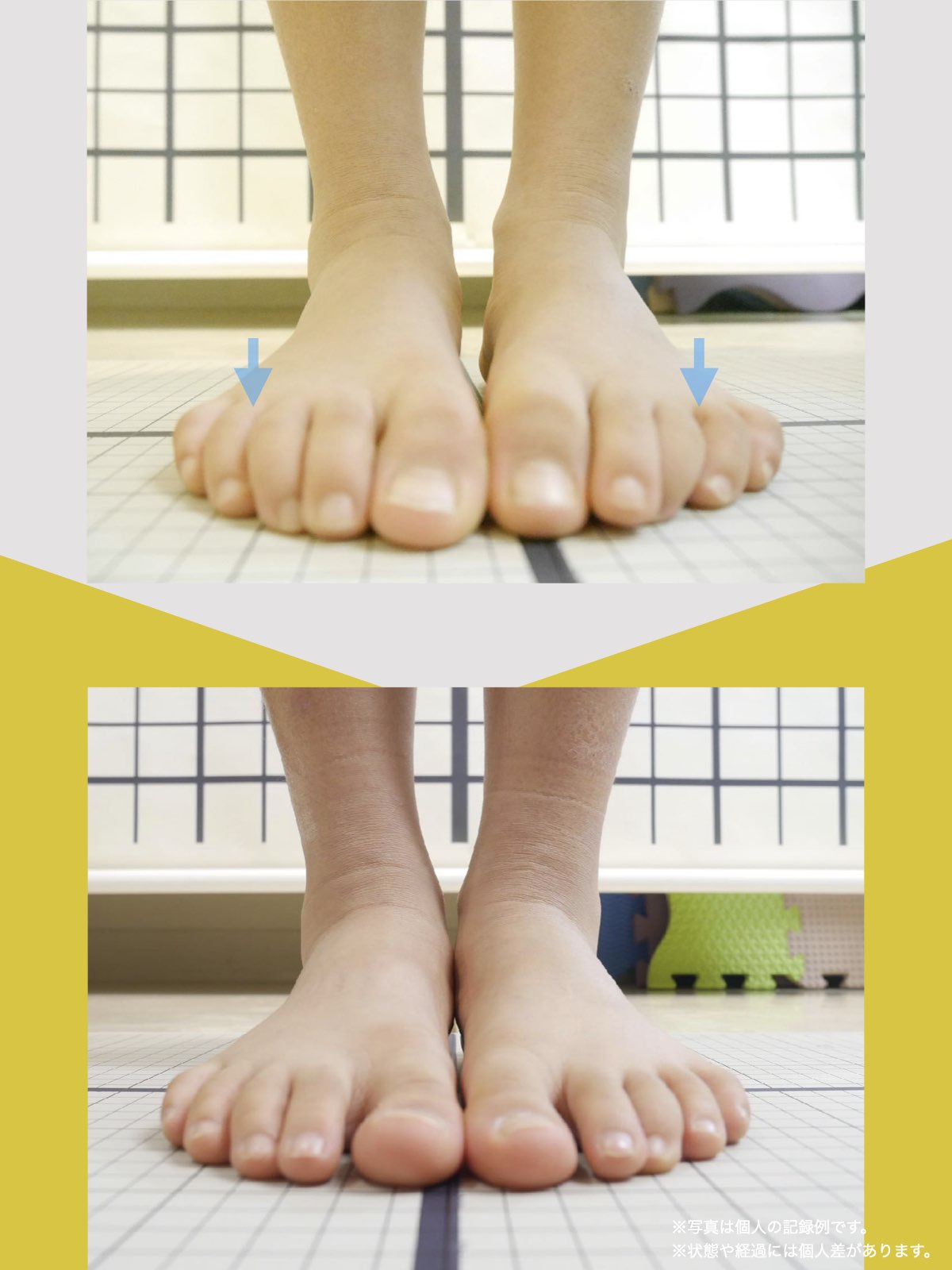
姿勢
正座
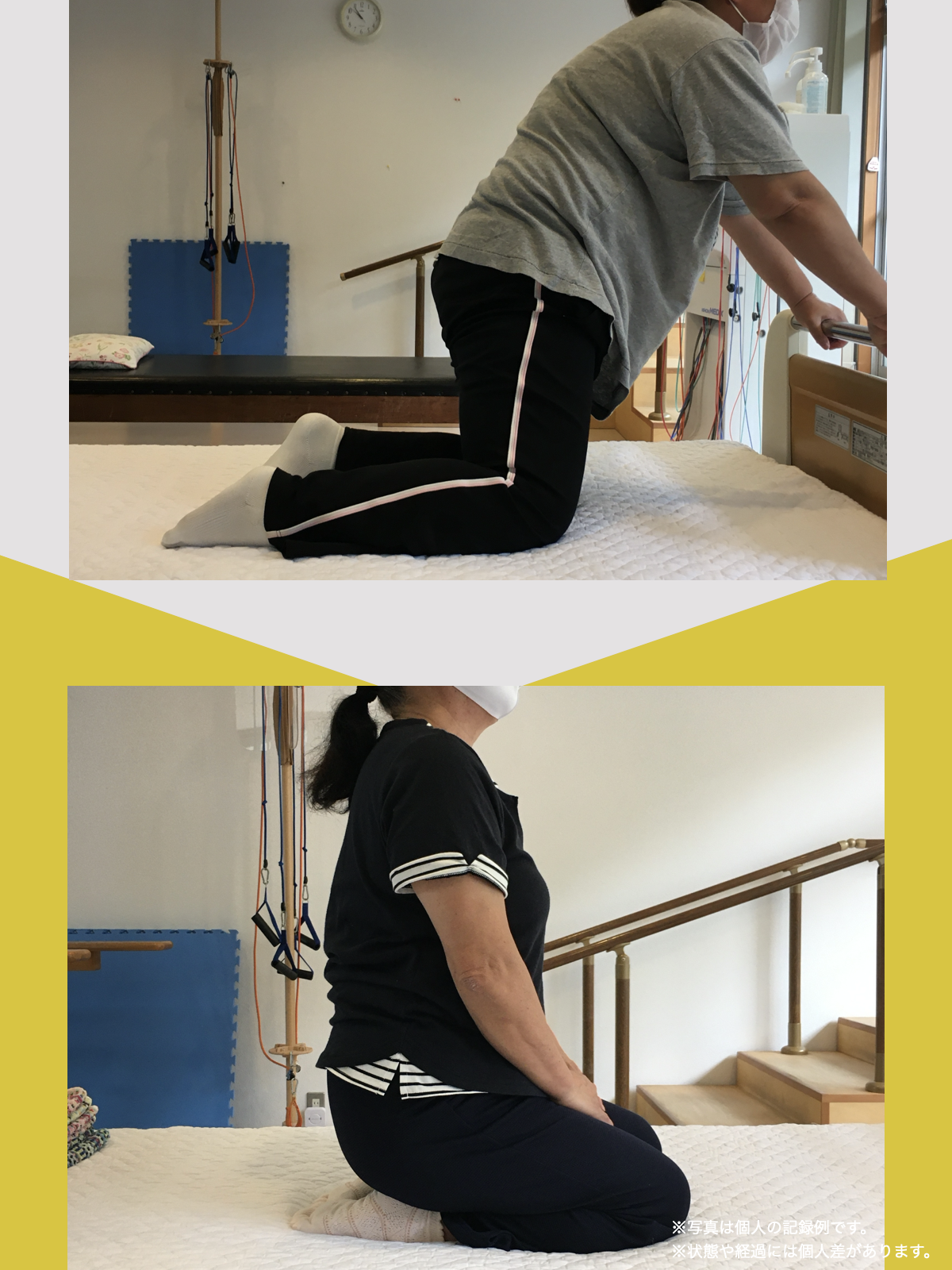
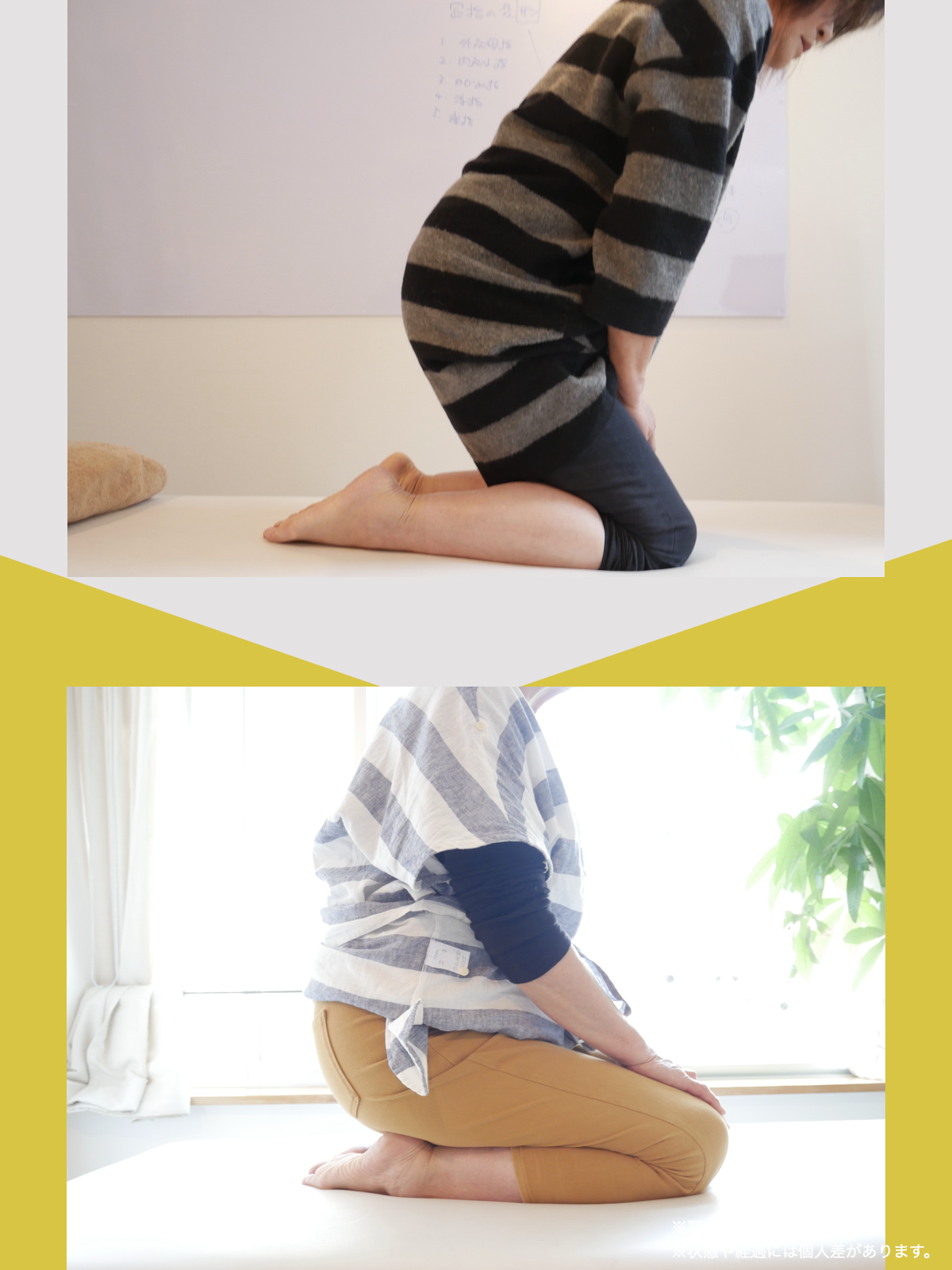
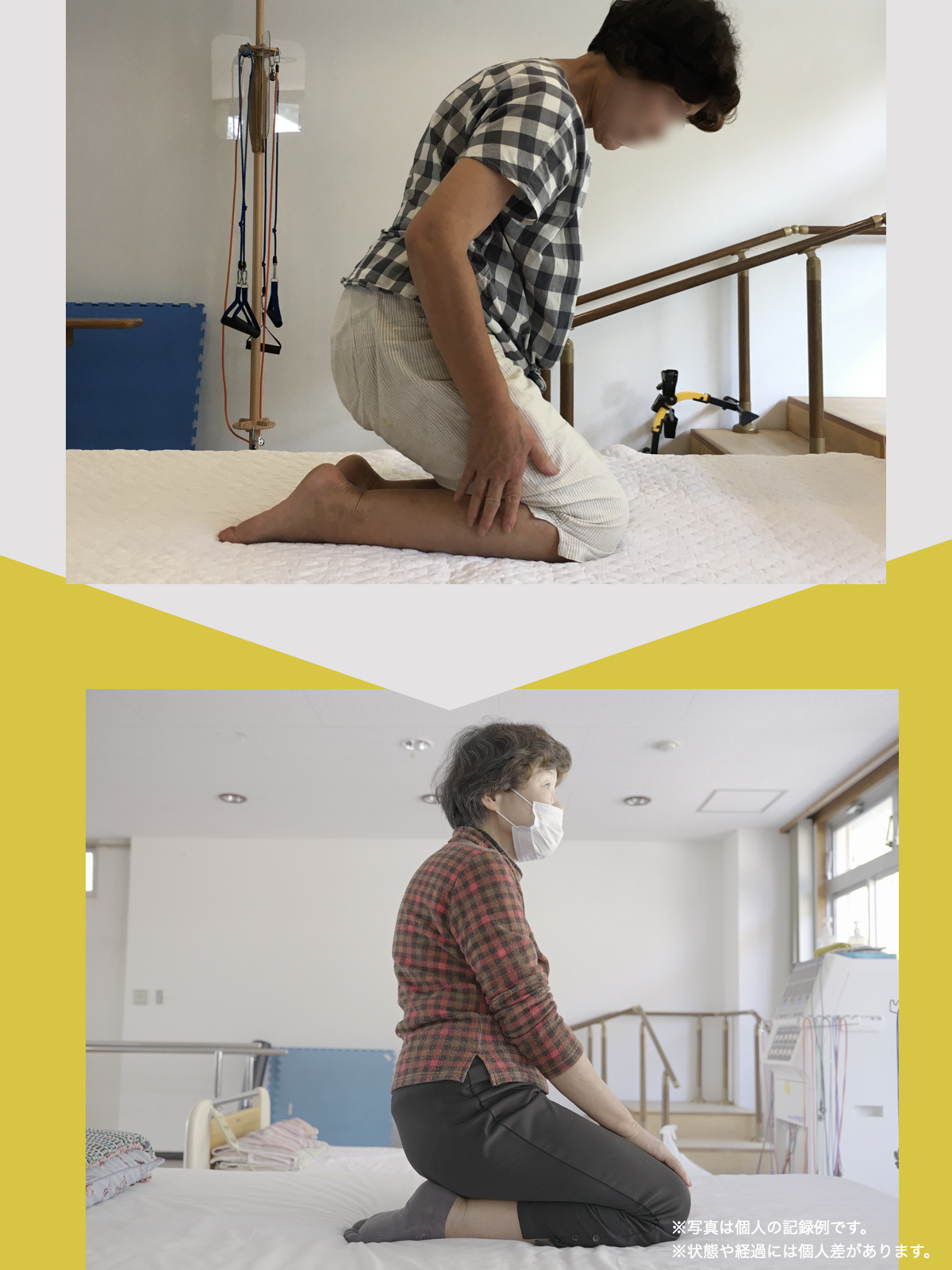
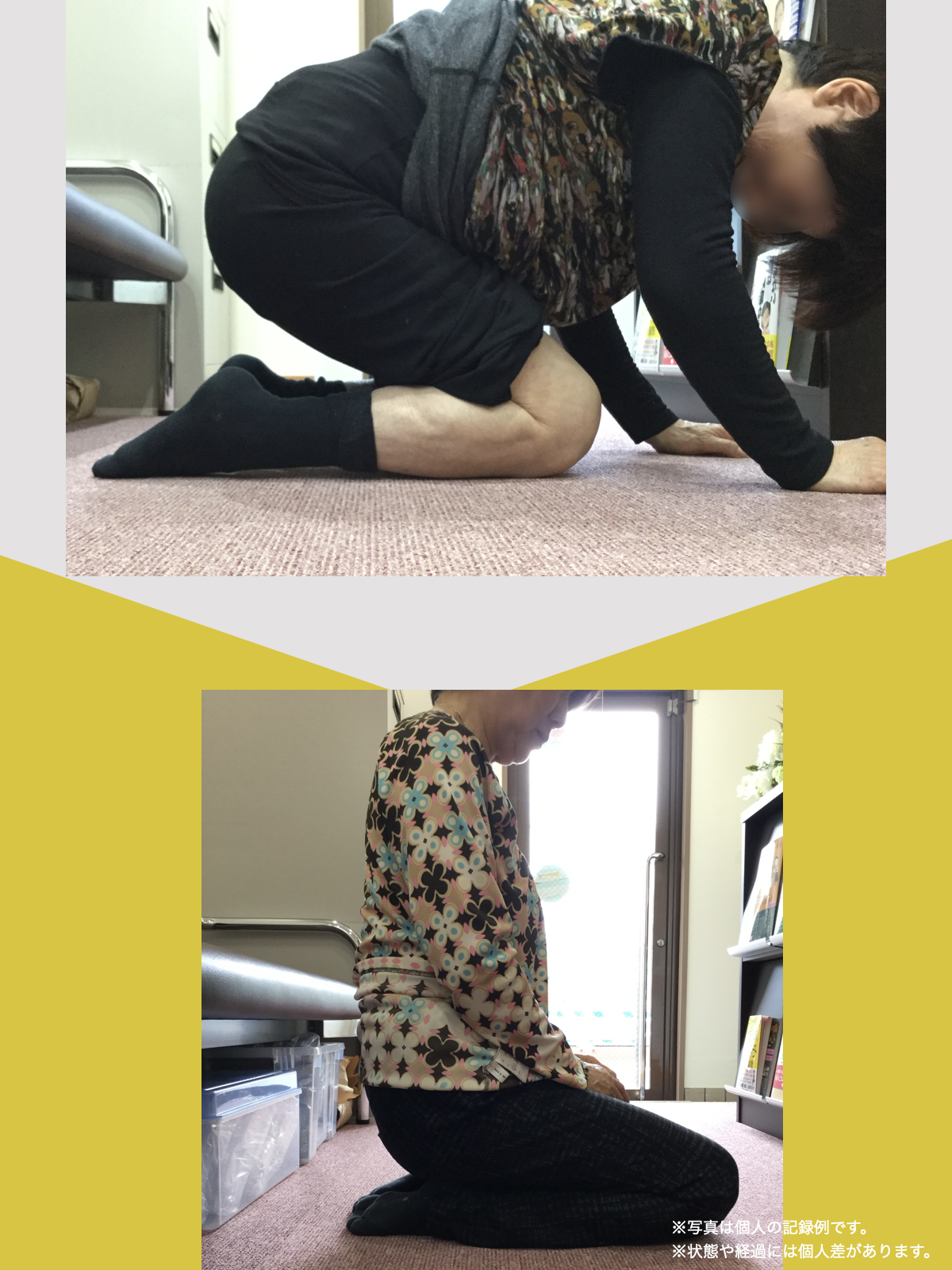
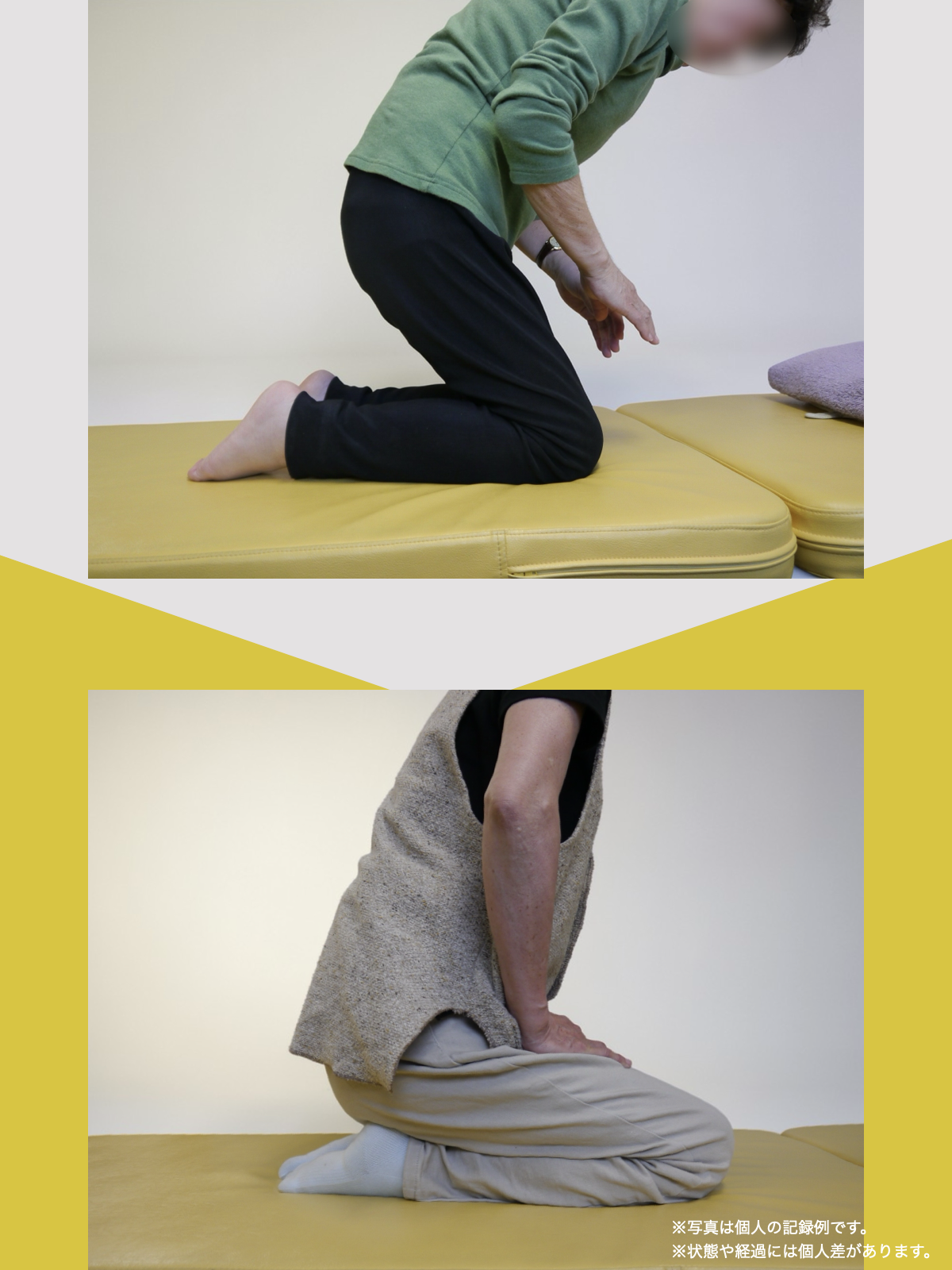
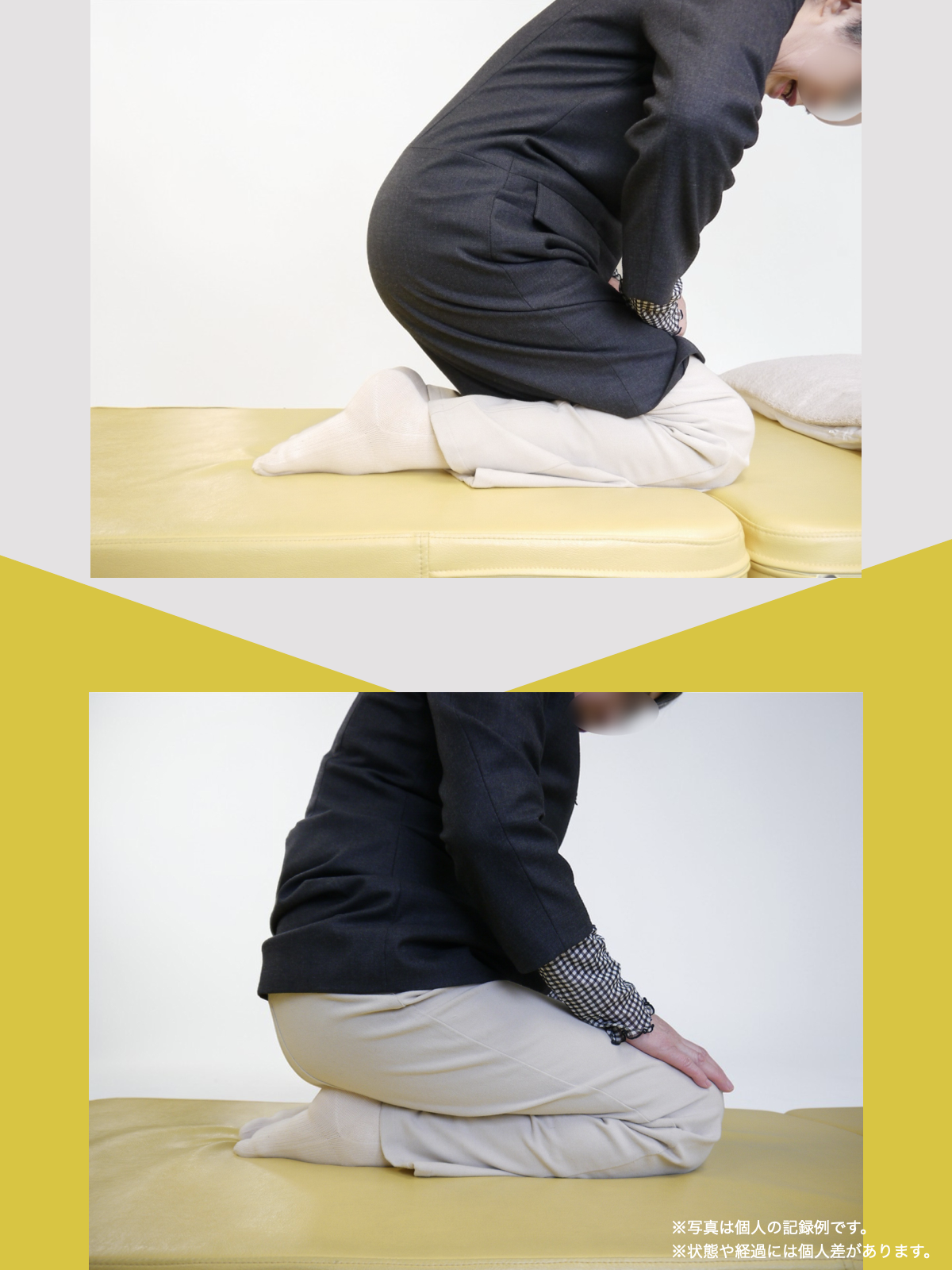
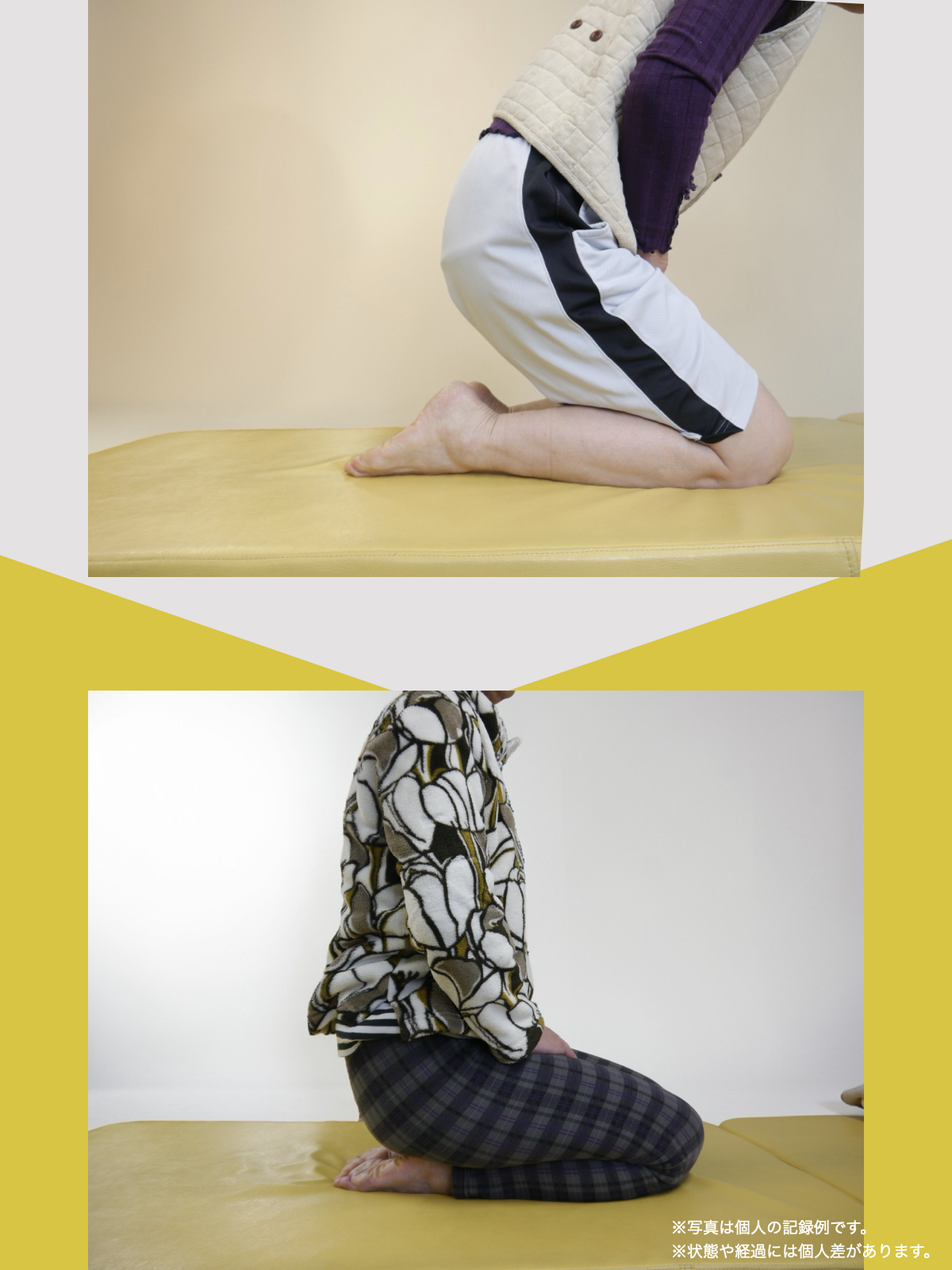
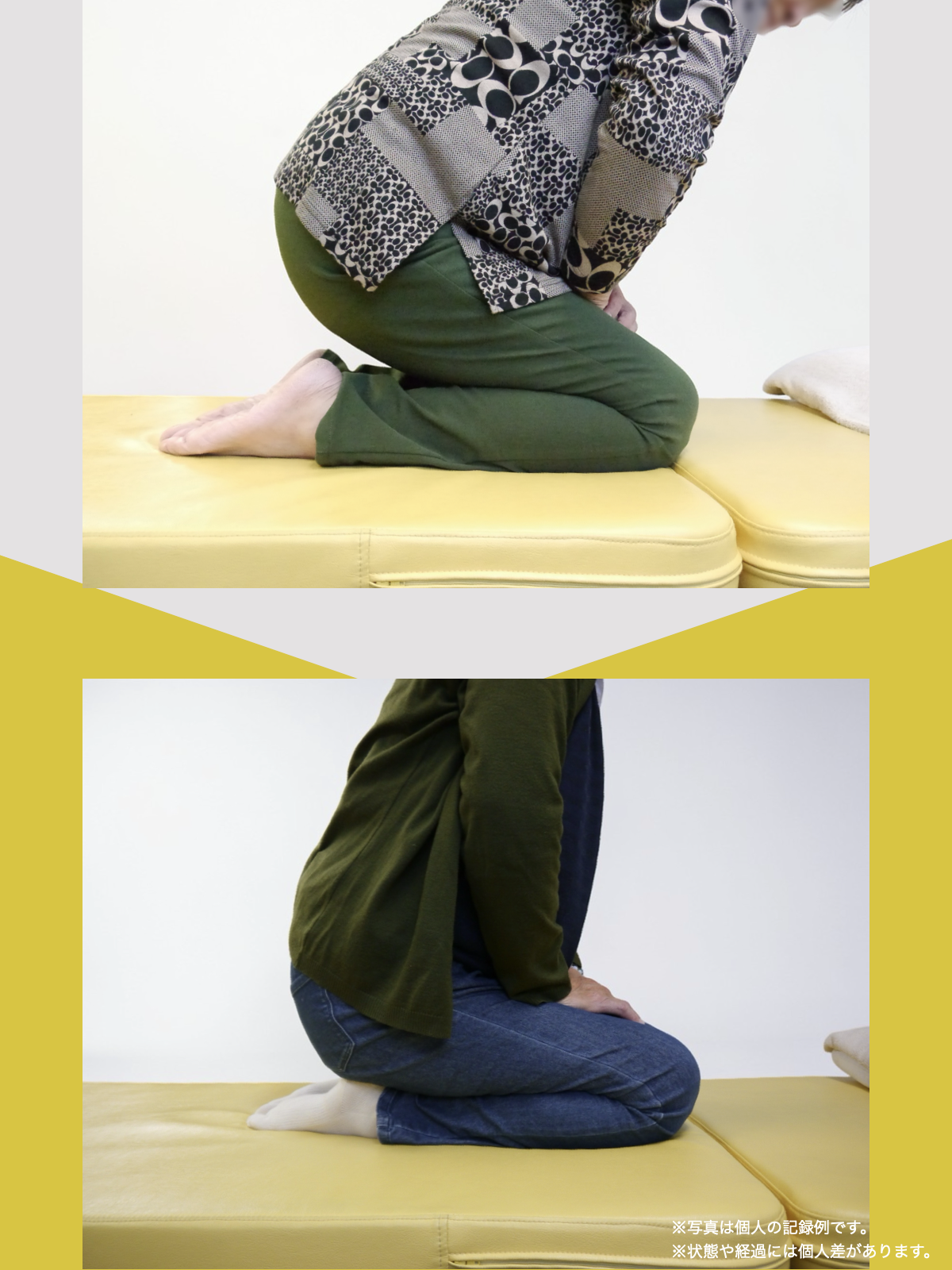
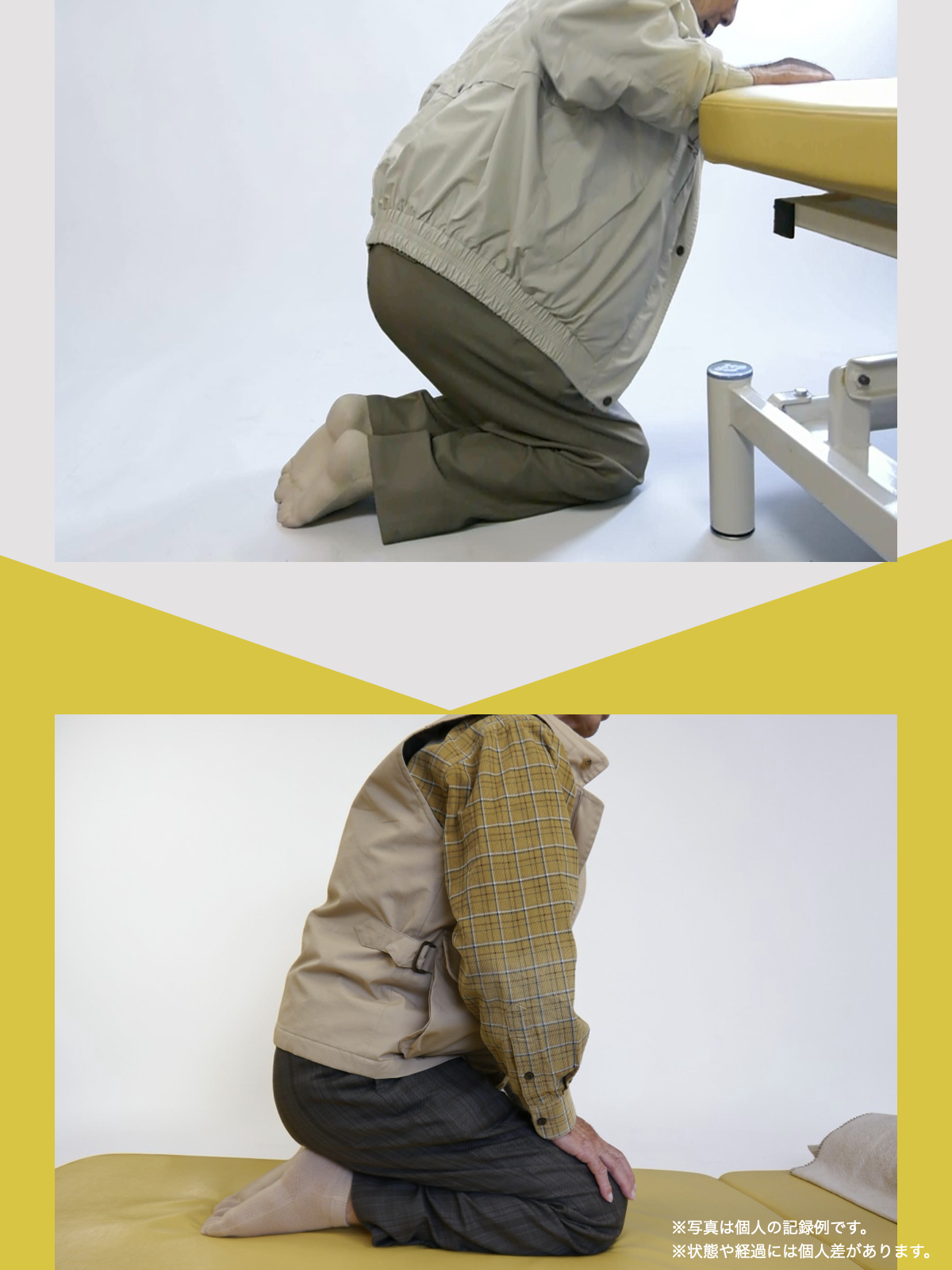
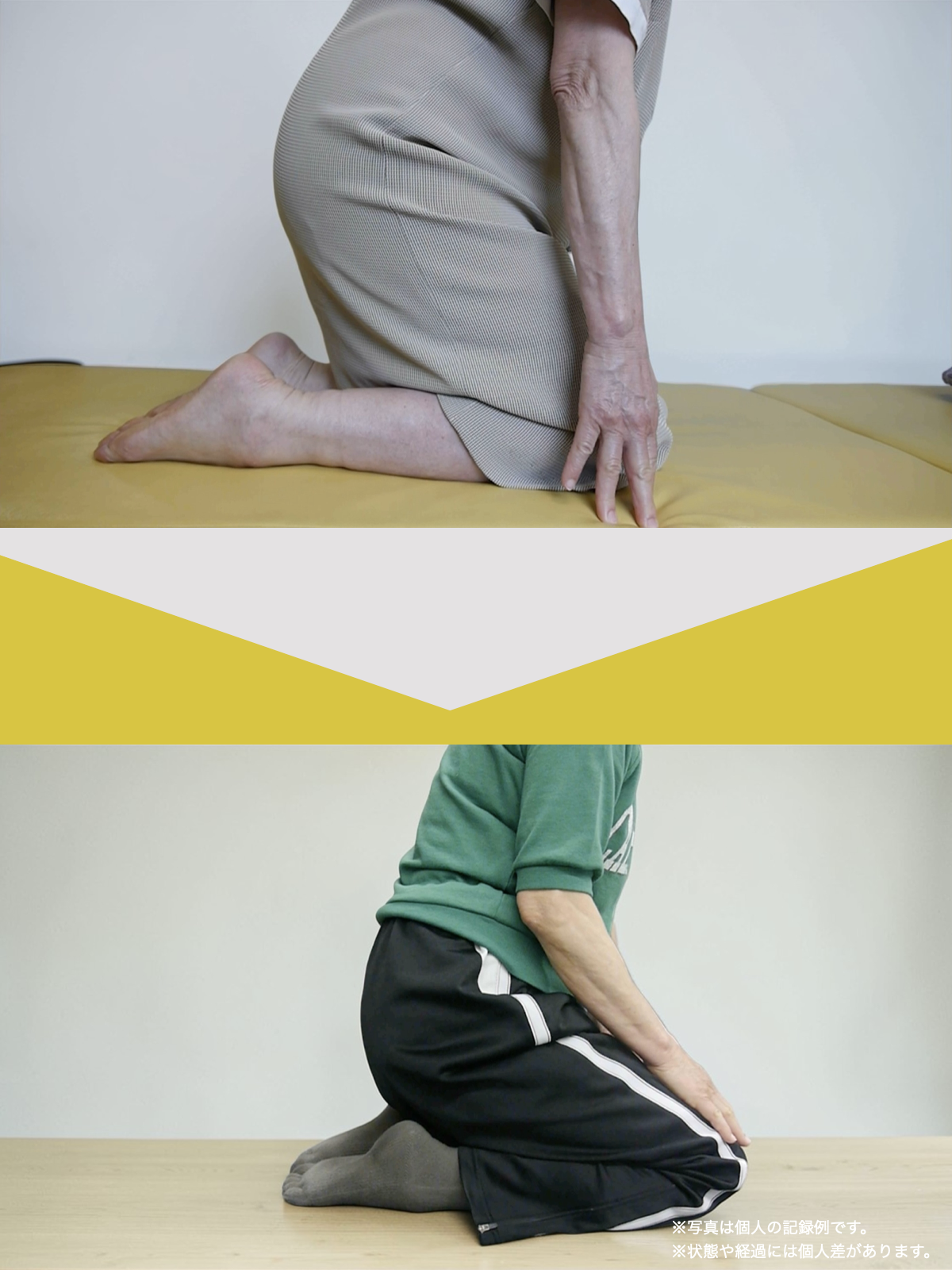
※これらは来院時に観察された足指や姿勢の状態の一例です。
※特定の症状の改善や治療効果を示すものではありません。
\ YOSHIRO SEMINAR /
なぜ足指が、姿勢や痛みに影響するのか。
\ NHK SAKIDORI /
もう一度自分の足で歩きたい。その結末とは…